Industry News
Runner design has a direct effect on material use, filling balance, cycle conditions, and mold complexity in rubber production. A cold runner keeps runner material

Runner design has a direct effect on material use, filling balance, cycle conditions, and mold complexity in rubber production. A cold runner keeps runner material
Material selection determines much of the molding process, but the machine must translate compound behavior into controlled feeding, injection, clamping, temperature, and curing. EPDM is
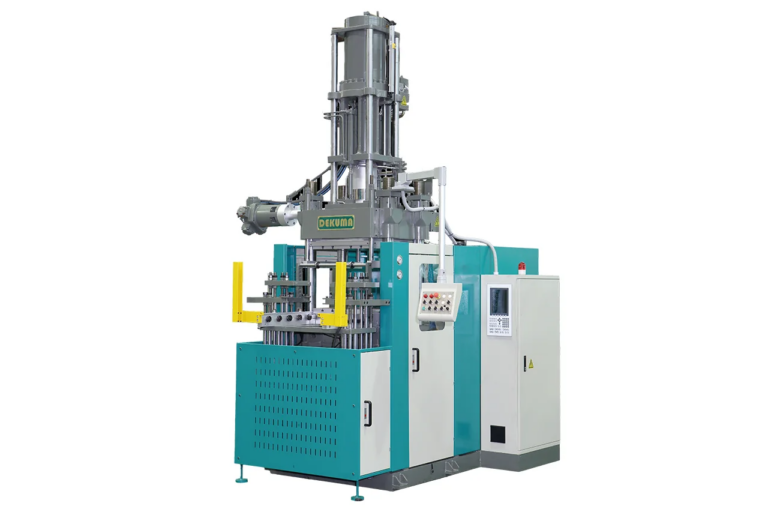
Custom equipment is justified when a standard press cannot meet an important product, material, mold, handling, or factory requirement. The word custom may need to
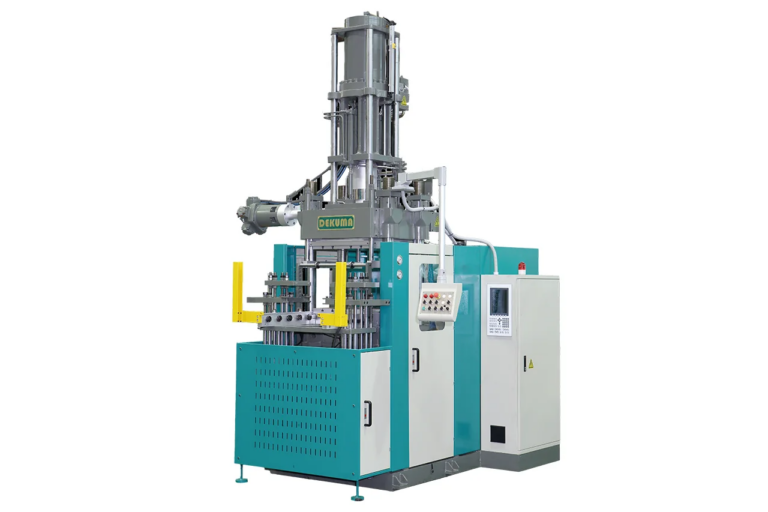
A rubber molding project raises connected questions about capacity, compound processing, tooling, automation, utilities, maintenance, and support. Answering only the purchase-price question can produce an

Industrial buyers rarely obtain dependable value by comparing rubber presses on clamping force and price alone. The machine has to fit the compound, part, mold,
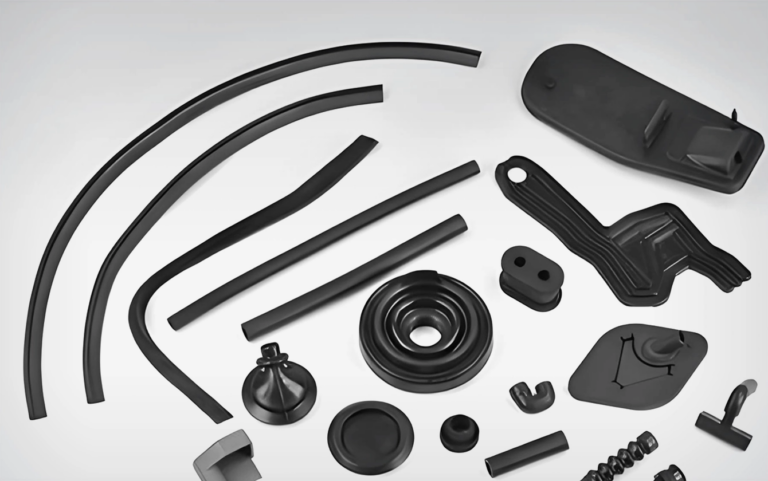
Automotive rubber factories may produce sealing strips, gaskets, anti-vibration parts, oil seals, O-rings, connectors, glass encapsulation, and TPU components within one operation. These products do
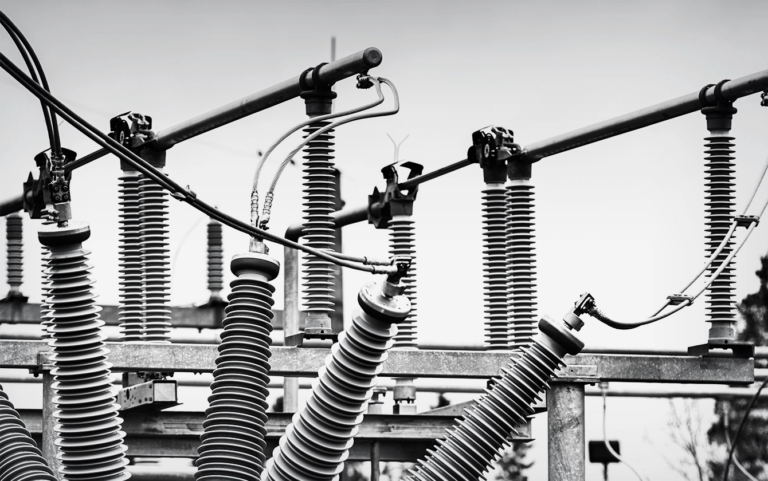
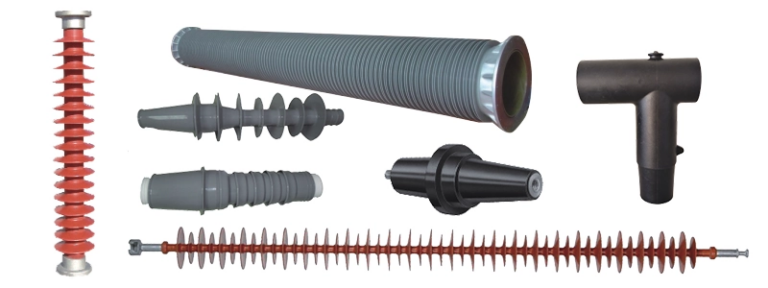
Power-industry rubber products range from cable accessories and switchgear parts to long-rod and hollow-core insulators. Their differences in length, shot volume, mold layout, and compound
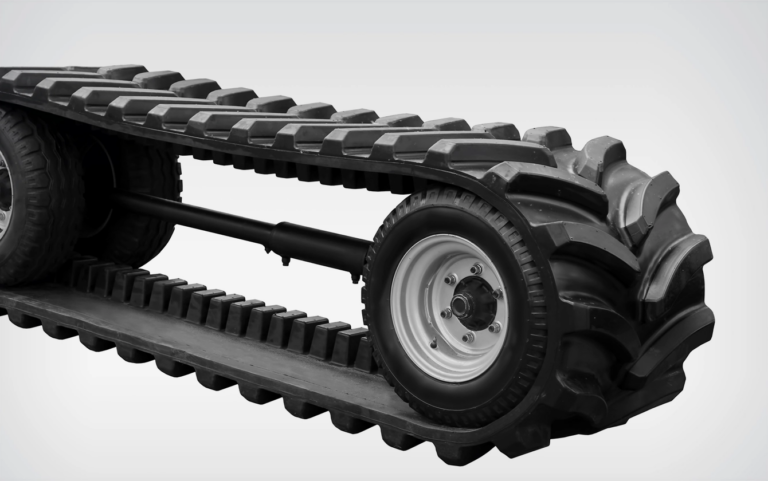
A rubber-track project joins material preparation, reinforcement placement, molding, long curing cycles, heavy handling, and final inspection. Connecting the line to production management is valuable
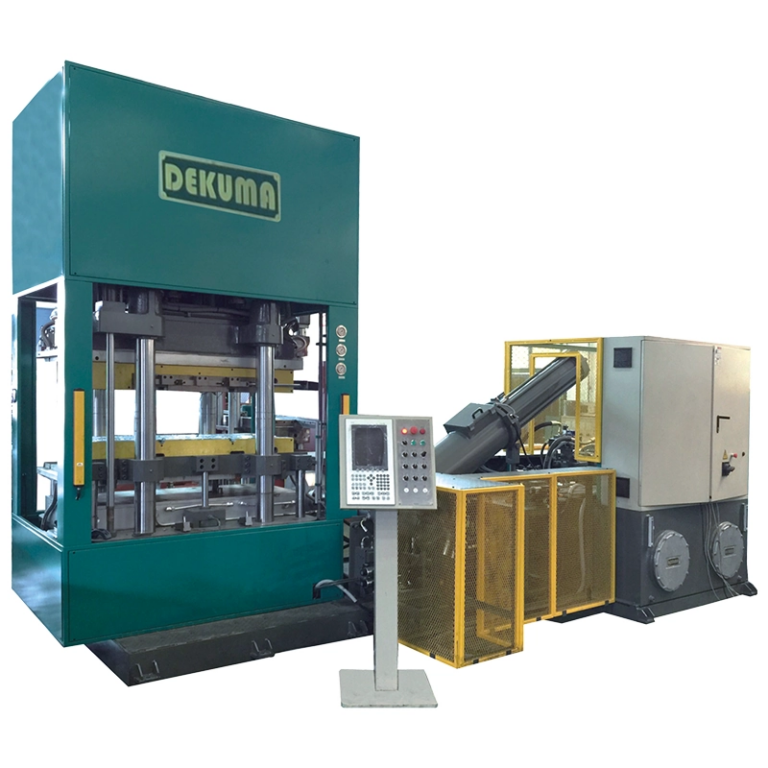
High-voltage insulation components made from HTV silicone rubber often need to maintain consistent performance under electrical, mechanical, and environmental stress. For manufacturers, achieving this consistency