Industry News
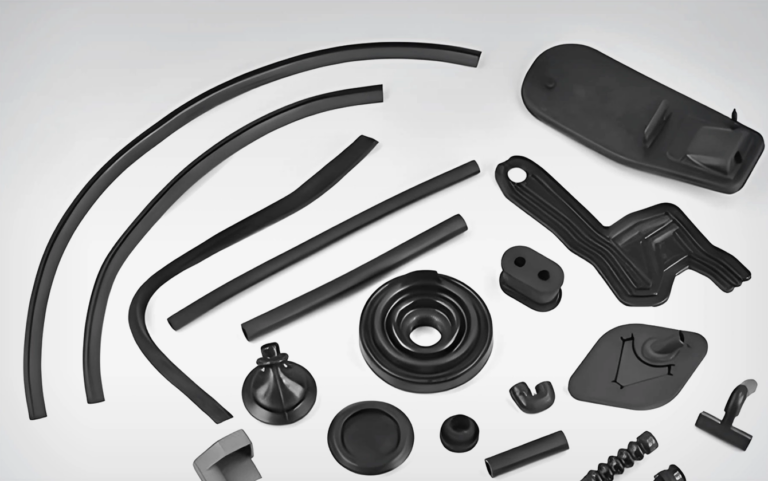
Automotive rubber manufacturing covers seals, gaskets, glazing edges, corner joints, anti-vibration parts, oil seals, O-rings, connectors, TPU products, and other precision components. Their compounds, molds,

Automotive rubber manufacturing covers seals, gaskets, glazing edges, corner joints, anti-vibration parts, oil seals, O-rings, connectors, TPU products, and other precision components. Their compounds, molds,
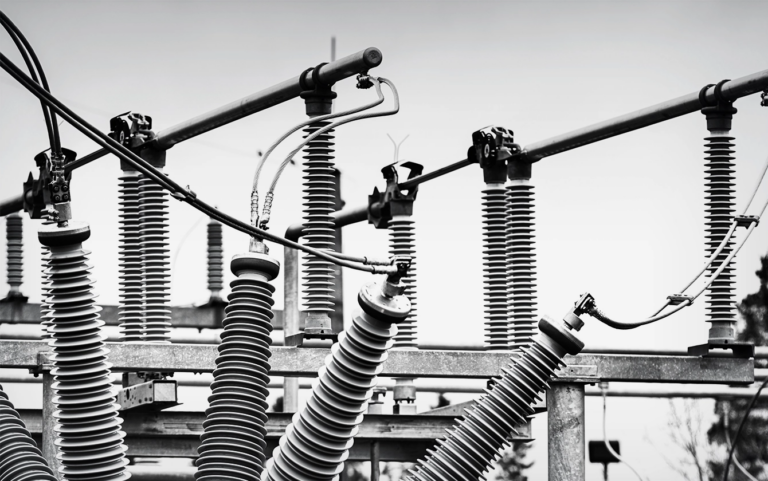
Differences between cable accessories and long or hollow composite insulators create wide variations in shot size, mold access, clamping, temperature, and curing for power-industry rubber
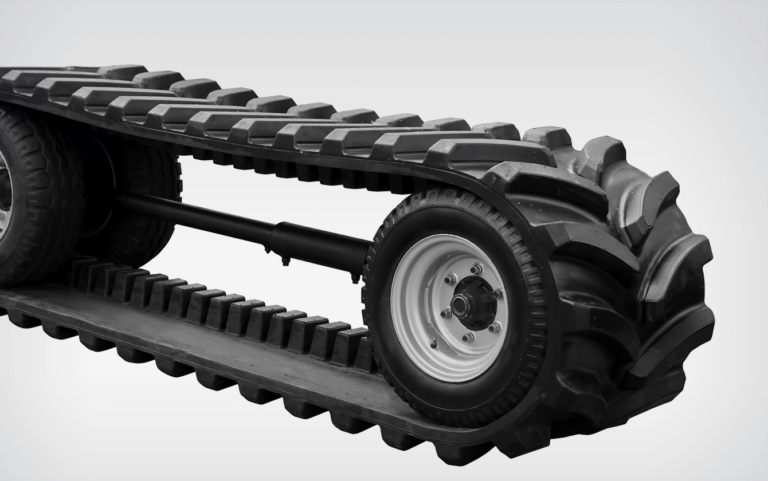
The next generation of rubber-track production must treat material volume, reinforcement, vulcanization time, heavy handling, energy, and traceability as connected operating variables. These foundations show

The right supplier questions can prevent a rubber molding project from starting with incompatible assumptions about the product, compound, mold, capacity, automation, or support. This
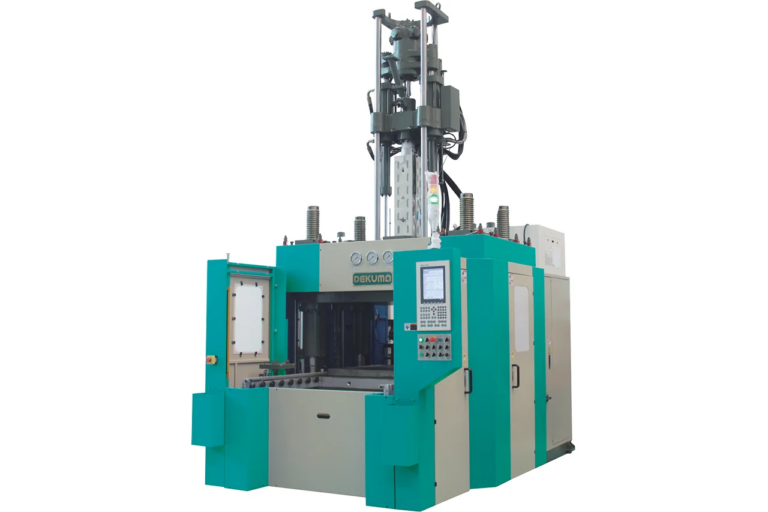
No responsible equipment quotation can reduce automotive glass encapsulation to one fixed price. Window size, mold envelope, shot control, handling, automation, utilities, validation, and support
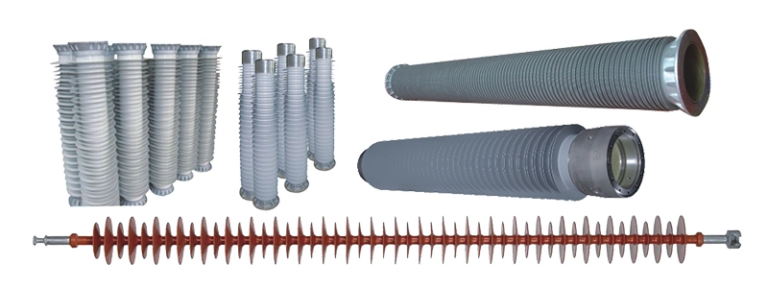
Large HTV silicone insulation products require high shot volumes, long molds, stable material preparation, controlled clamping, and safe access. Future development must make these demanding
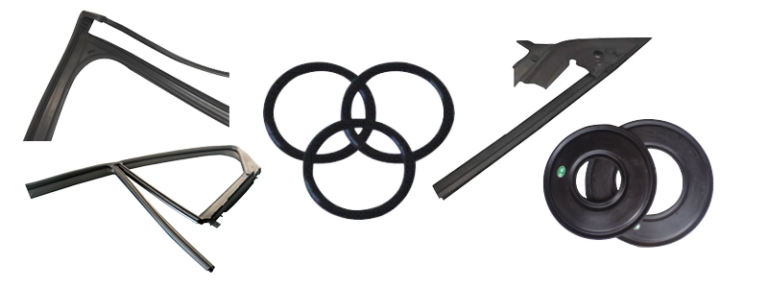
C-frame machines bring tooling, operators, and automation close to the mold through three-sided access. Future improvements must use that openness without compromising guarding, dosing accuracy,
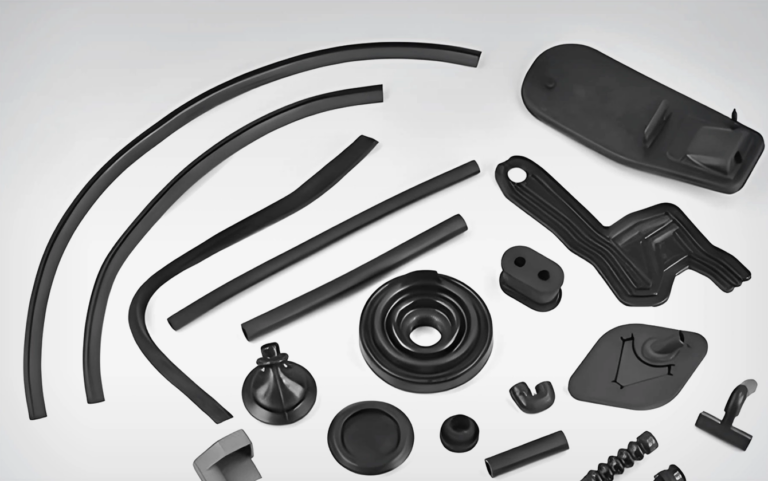
Servo hydraulics already allow rubber molding equipment to match pump output more closely to the pressure and flow required during each cycle stage. The next
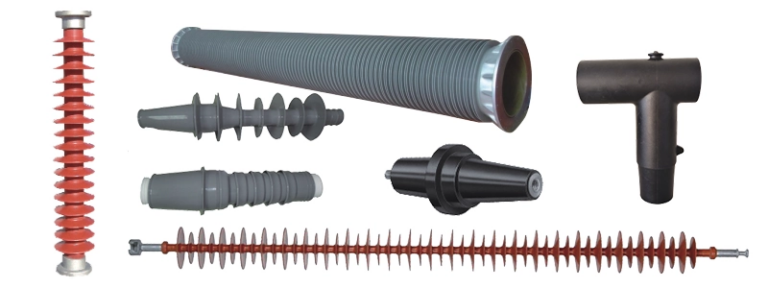
Silicone and EPDM insulation products place high demands on material preparation, large shots, clamping stability, mold access, temperature, and curing. Over time, progress will come