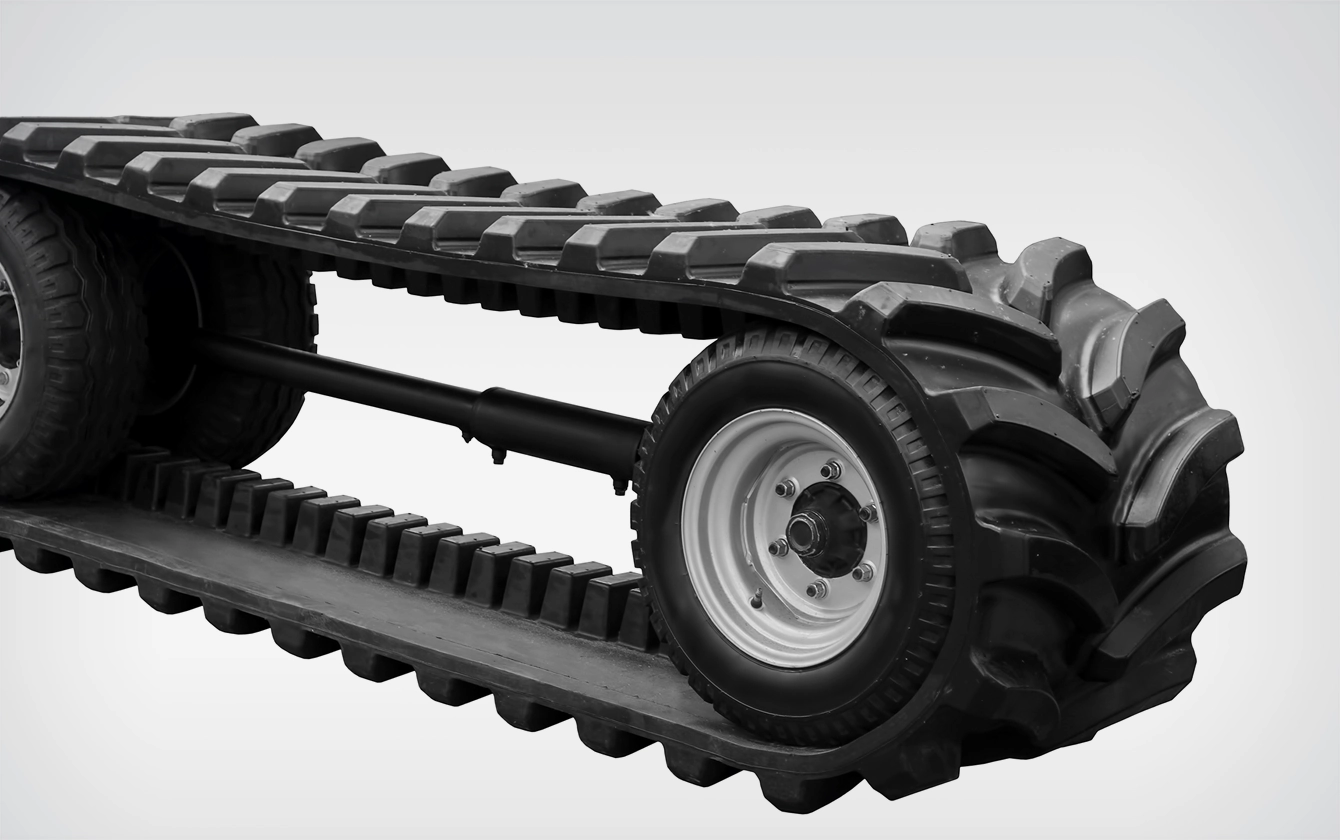
A rubber-track project joins material preparation, reinforcement placement, molding, long curing cycles, heavy handling, and final inspection. Connecting the line to production management is valuable only when these stages are represented accurately. For projects framed around rubber track solutions inc, planning begins with the track, process, and factory workflow before dashboards or automation devices are defined.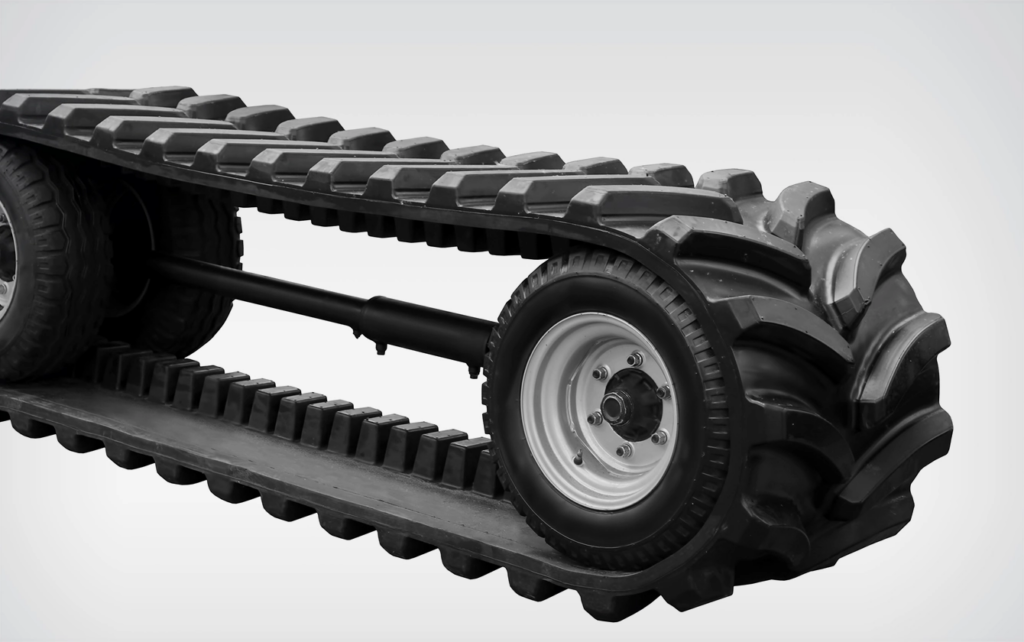
Define the Product Family and Production Route
Track width, usable length, mold dimensions, reinforcement structure, rubber volume, and required clamping capacity influence equipment selection. Natural rubber is a principal material in these applications, but compound specifications and preparation methods still need project-level validation.
MES master data will need to connect each track number to its approved material, mold, reinforcement, recipe, inspection plan, and compatible machine configuration. Capacity planning also needs a realistic routing time. A long cure can dominate the schedule, while loading, reinforcement preparation, take-out, or inspection may constrain the next stage.
The planning model may need to distinguish productive cycle time from waiting, setup, and fault time. That distinction helps the factory decide whether another mold, additional handling, or a different shift arrangement would address the actual bottleneck.
Production routing should show more than a start and completion event. Loading, cord or reinforcement preparation, mold closing, vulcanization, pressure retention, opening, take-out, demolding, and inspection may each create information needed for traceability or fault analysis.
For rubber track solutions inc projects, the team may need to decide which events require confirmation, which parameters need trends, and which exceptions must prevent the next operation from beginning.
Create Stable Cycles before Automating Movement
Our related line integrates automatic feeding, vulcanizing, handling, demolding, and process control. This can reduce heavy manual activity around hot molds and large components. Automation must nevertheless be justified by a defined safety, consistency, or capacity need.
The sequence must detect incomplete loading, abnormal movement, or a failed transfer, then place the equipment in a safe state with a recovery procedure that trained personnel can follow. Automation interfaces will need to state the required handshake for every transfer.
A command, permission, completion signal, timeout, and fault code give the machine and handling device a shared sequence. The design must also cover loss of air, power, sensor feedback, or communication.
Testing these abnormal conditions during commissioning is more valuable than demonstrating only uninterrupted automatic running. Controlled vulcanization is the basis for repeatability. Pressure, temperature, time, clamping state, and recipe identity need consistent definitions and timestamps.
A rubber track solutions project must also account for long curing periods when comparing utilization and energy. Waiting, heating, productive curing, fault, and maintenance states may need to be distinguished so that reports do not treat every hour of machine availability as equivalent output time.
Build Connectivity around Useful Operating Decisions
B&R-based machine controls can manage recipes and operating parameters, while the iSee intelligent management platform can support real-time monitoring and traceability. The interface needs to identify the owner of each field.
Machine controls retain safety, motion sequencing, and fast regulation; the MES can manage orders, product context, genealogy, completion, and quality status. This division keeps network interruption from interfering with time-critical local control. Data quality requires its own plan.
Tag names, units, sampling intervals, timestamps, valid ranges, and communication-status flags must remain stable. A stale pressure value must not be displayed as a current normal condition. Access rights and change records may need to protect approved recipes.
In a rubber track solutions inc implementation, read-only collection can be validated first, followed by order context, recipe verification, and other functions after the plant has confirmed reliable identifiers and records. Our engineering work at Dekuma develops rubber track solutions for agricultural, construction, military-vehicle, and snowmobile applications.
Scale the Equipment and Support to the Factory
Different machine sizes allow track dimensions, mold envelope, and clamping needs to be matched to the product. Selection may also need to consider floor loading, utilities, access, lifting, guarding, auxiliary equipment, and changeover frequency.
A high-volume dedicated line may justify extensive automation, while a mixed-product plant may place greater value on adjustable handling, recipe management, and efficient tooling access. Acceptance testing should represent the intended production route.
The parties can verify material and mold identity, cycle logic, process values, automatic transfers, safety interlocks, alarms, data records, and recovery from selected faults. Energy and labor comparisons need a documented baseline.
Automated handling may reduce manual work, but the result depends on product mix, staffing, cell balance, and the scope included in the project. A phased startup can reduce risk.
The project team may first qualify the molding and curing process, then validate individual handling functions, integrated automatic operation, and finally the data connection. Acceptance records may need to cover safety, recipe identity, parameter capture, alarm history, product genealogy, and selected recovery cases.
Each phase creates a stable reference before the next layer is introduced. We support configuration, installation guidance, operator training, and ongoing technical assistance for different track types and production volumes. Our application record at Dekuma includes references in China and overseas among manufacturers serving agricultural, construction, and other vehicle markets.
Our objective is to connect capable equipment with maintainable production practice. Controlled vulcanization, safe movement, reliable records, and prepared personnel allow rubber track solutions to use digital management as part of production control instead of as an isolated reporting exercise.