A rubber molding project raises connected questions about capacity, compound processing, tooling, automation, utilities, maintenance, and support. Answering only the purchase-price question can produce an unsuitable comparison. Cost, application fit, and lifecycle requirements provide the framework for evaluating a rubber injection moulding machine.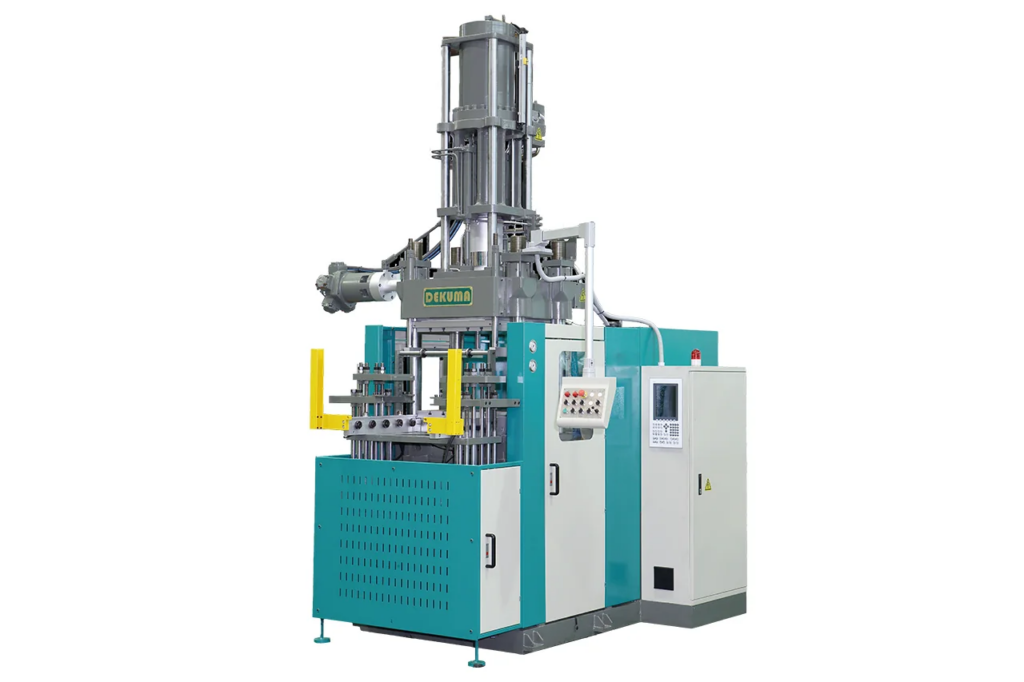
What Determines the Cost of a Rubber Molding System?
Cost depends on more than clamping force. Injection volume and pressure, platen dimensions, opening stroke, mold access, heating, hydraulic or servo control, material feeding, handling devices, safety equipment, data interfaces, and tooling all influence the scope.
Installation, utilities, training, commissioning, spare parts, and production ramp-up also belong in the project budget. A low quotation may not be comparable if it excludes functions required by the process. Lifecycle cost includes energy, material loss, labor, changeovers, maintenance, downtime, and acceptable-part yield.
Buyers need to define a common comparison boundary and request a line-by-line list of standard equipment, options, services, and exclusions. An oversized rubber injection moulding machine can add unnecessary capital and utility demand, while an undersized system may limit shot capacity, mold handling, or process stability.
A suitable economic choice is the configuration that meets the validated need with manageable operating risk. Financing decisions must also account for ramp-up. Trial material, sample inspection, technician time, initial spare parts, and lower output while operators learn the process can affect early cash flow.
A lifecycle comparison will need to state the production volume, utilization, energy price, labor assumption, scrap basis, and evaluation period. Changing these assumptions can alter the preferred configuration even when the equipment quotation remains unchanged.
Which Applications Require Different Machine Architectures?res?
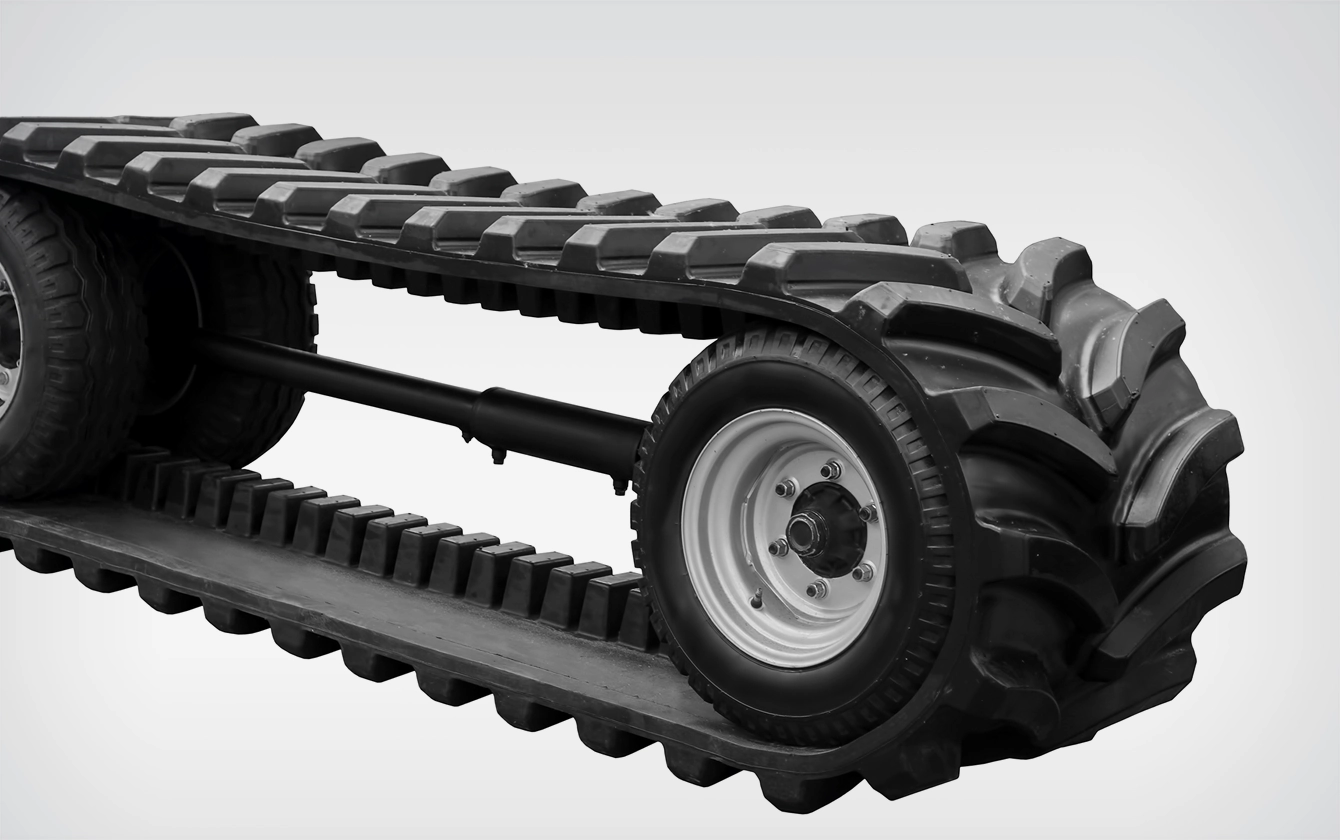
Vertical, horizontal, and C-frame structures organize injection, clamping, mold access, and part flow differently. Our portfolio includes RA, RV, RV-Se, RC, RT, RI, and RH platforms, plus dedicated systems for rubber tracks, automotive glass encapsulation, power insulation, sealing rings, and liquid silicone.
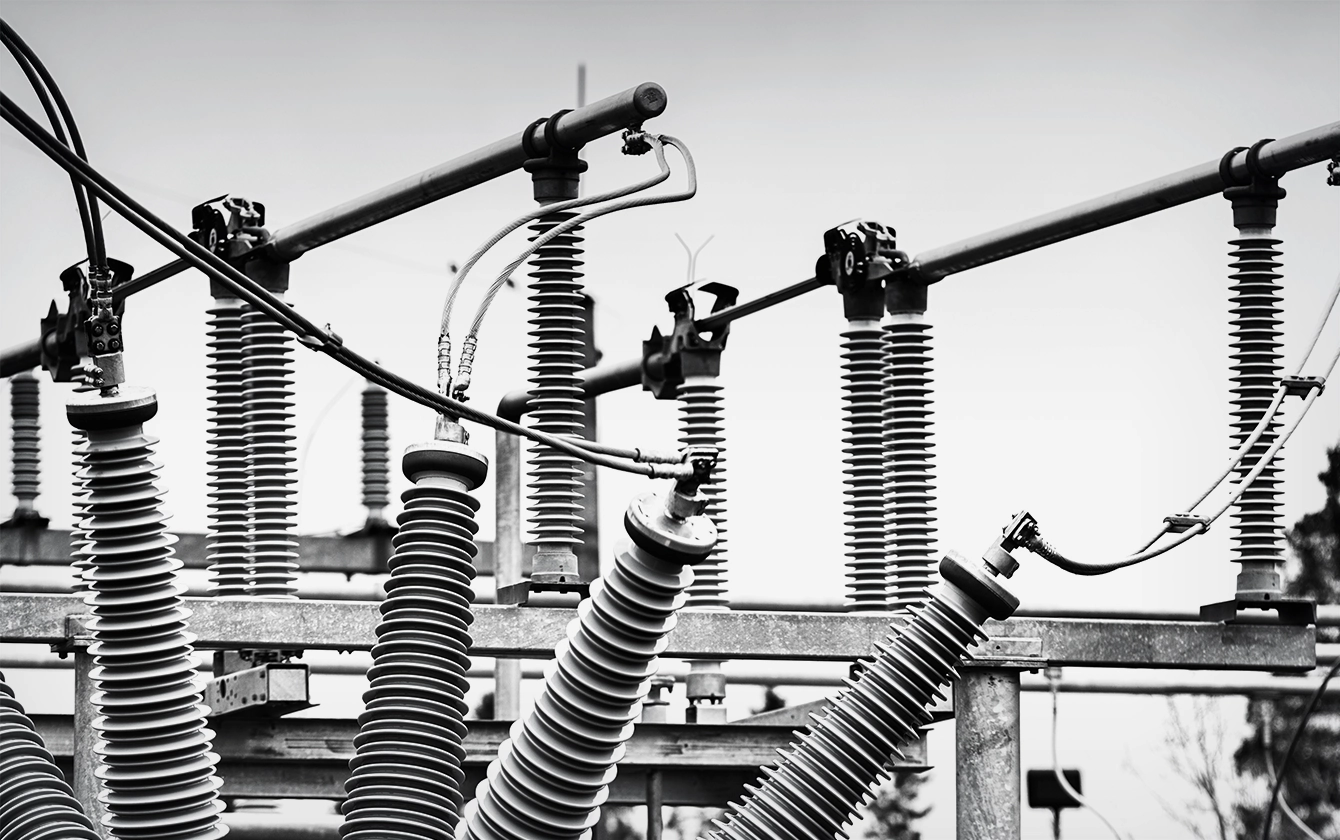
This range allows architecture to follow the product instead of requiring every mold to fit one standard press layout. Long or hollow composite insulators may need large shot volumes, platen areas, and opening strokes. Automotive glazing requires support for a large glass insert and precise TPV dosing.
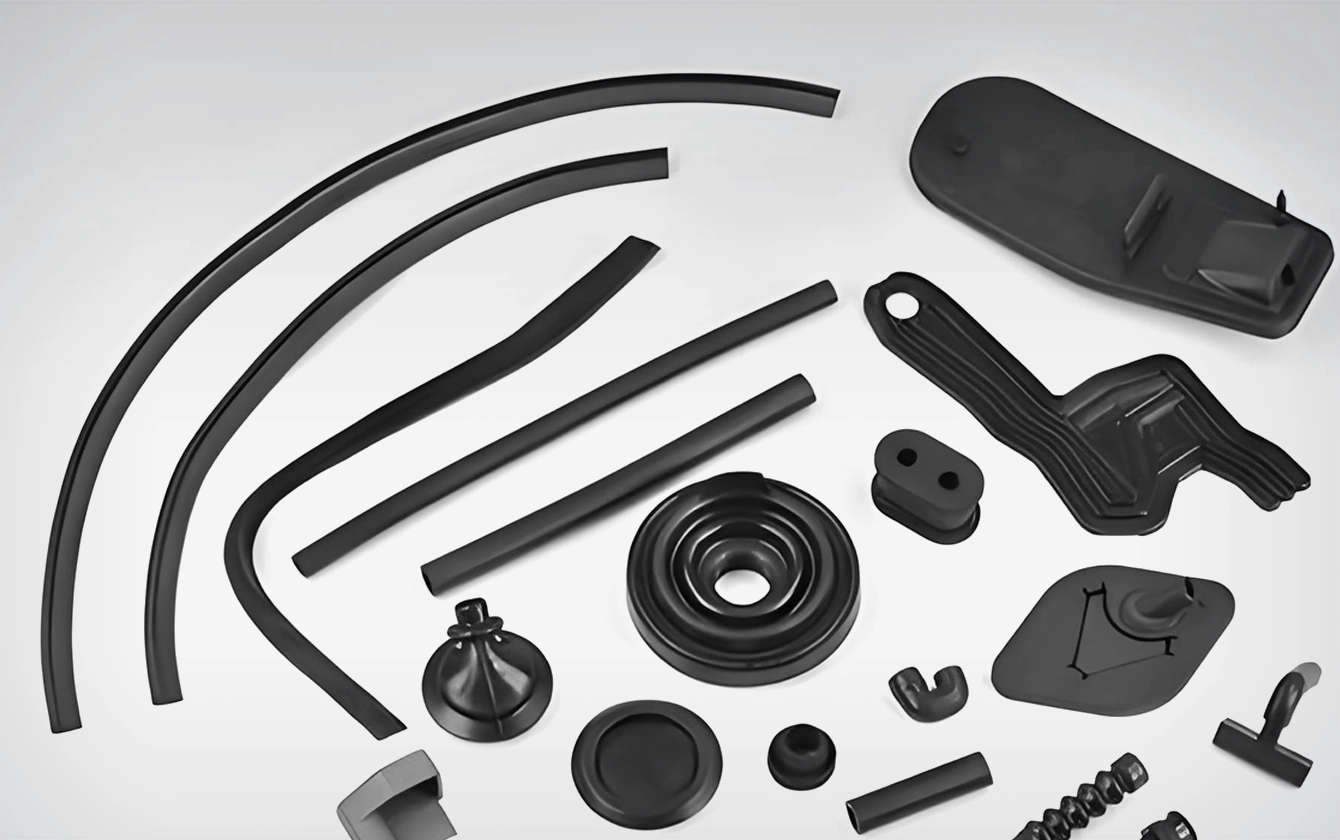
Sealing-strip corners and overmolded parts benefit from open mold access, while O-rings and sealing rings place emphasis on clean repeated filling and material control. A rubber injection molding machine must be reviewed against actual product geometry, material, mold, and handling even when its nominal category appears suitable.
Which Technical Values Should Buyers Calculate First?
The starting values include part and runner volume, compound density, cavity count, required injection volume, injection pressure, projected clamping force, mold dimensions and weight, opening requirement, temperature range, curing behavior, cycle target, and utility capacity. These figures must be calculated with documented assumptions and an appropriate process margin.
Selecting the largest available values without reference to the mold can increase cost without improving output. Material compatibility is equally important. Feeding, plasticizing, temperature control, residence time, injection response, and curing differ across natural rubber, EPDM, silicone, NBR, fluoro rubber, TPV, TPE, and other compounds.
Automation must then be built around the complete sequence, including loading, inserts, mold movement, removal, cleaning, inspection, and recovery. The technical specification may need to identify which options are required and which remain future provisions.
The acceptance plan will need to connect each major requirement to evidence. Drawings can confirm mold and access dimensions, function tests can verify machine movements and safety, and representative molding can assess the interaction among compound, tooling, and settings.
Sample quantity, stabilization time, measurements, tolerances, and treatment of interruptions must be agreed before the test so that a pass or open item is unambiguous. Our engineers configure each rubber injection molding machine around the production task at Dekuma.
What Maintenance and Support Should Be Planned?
Periodic work includes inspection of heating, transmission, and hydraulic systems, together with cleaning, lubrication, calibration checks, and replacement of wear components when required. The interval depends on the selected model, operating hours, load, material, environment, and manual.
Condition data such as pressure response, temperature, leakage, noise, alarms, cycle changes, and energy trends can help teams schedule work before a small issue becomes extended downtime. We provide tailored operator and maintenance training, spare-parts assistance, 24/7 support, and proactive feedback.
Buyers still need to define the warranty, response routes, geographic coverage, remote and on-site scope, critical parts, documentation, and software backup responsibilities. A rubber injection moulding machine is easier to support when the plant preserves recipes, service history, drawings, part numbers, and fault evidence.
Training must be role-specific. Operators need safe setup, recipe use, alarms, inspection, and recovery procedures. Maintenance staff need hydraulic, electrical, heating, sensor, lubrication, calibration, and backup knowledge. Production engineers need authority and revision rules for process changes.
The final decision will need to connect product quality criteria with machine capacity, mold access, material behavior, automation, utilities, and service. With those relationships documented, the rubber injection molding machine can be evaluated on predictable production performance and lifecycle value rather than on isolated specifications.
Clear responsibilities turn manuals and training into daily control rather than documents that are consulted only after a breakdown. Our approach at Dekuma treats equipment selection as a technical matching process rather than a search for one universal model.