Industrial buyers rarely obtain dependable value by comparing rubber presses on clamping force and price alone. The machine has to fit the compound, part, mold, output target, factory layout, and available skills. A useful comparison of rubber injection machine manufacturers should therefore examine how customization, automation, commissioning, and long-term support work together.
Compare Customization through Engineering Evidence
Customization begins with a complete application definition. Product dimensions and weight influence shot volume, platen size, opening stroke, and handling. Compound behavior affects plasticizing, injection pressure, temperature control, curing, and residence time. The mold introduces cavity layout, venting, access, weight, and interface requirements.
A supplier needs to show how the proposed configuration answers these variables and identify operating limits instead of describing every alteration as a special advantage. The commercial document may need to preserve this engineering logic. Standard features, selected options, customer-supplied items, exclusions, and future provisions need separate identification.
Utilities, floor loading, access, safety responsibilities, and control interfaces should be stated in measurable terms. This makes quotations comparable and reduces the risk that a necessary handling or process function appears only after the base machine has been ordered.
Procurement teams may also need to record assumptions for compound, cycle, staffing, utilization, and future volume, because a configuration that is economical under one operating case may not remain suitable when those inputs change.
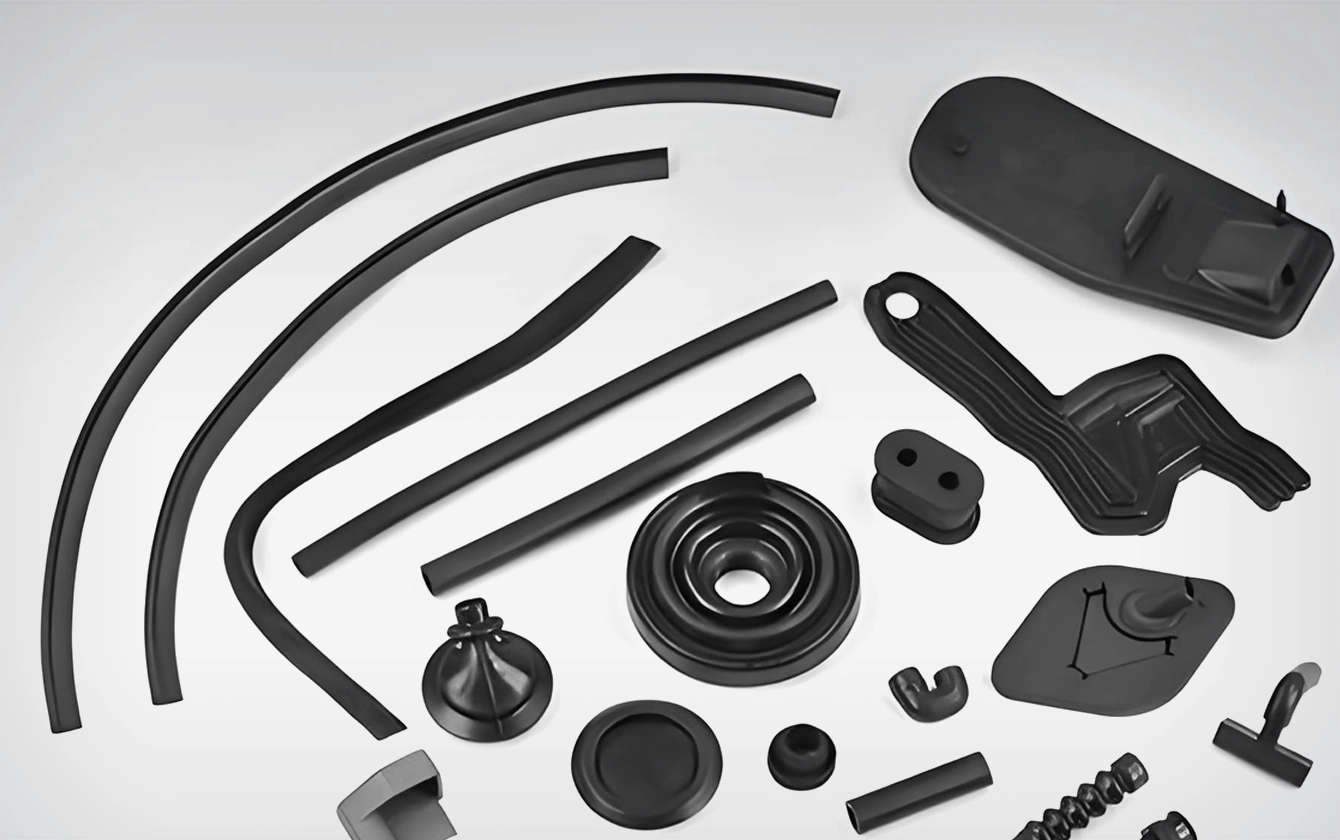
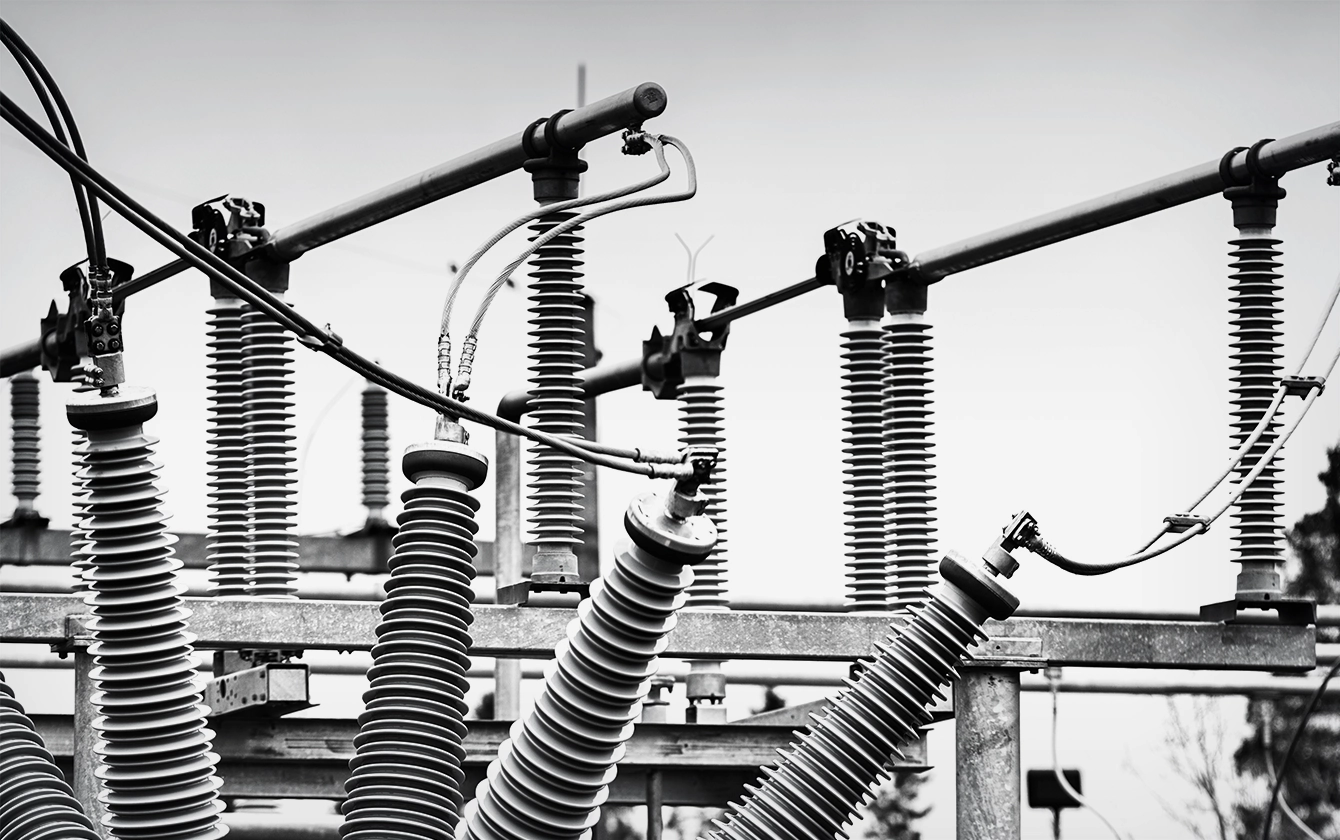
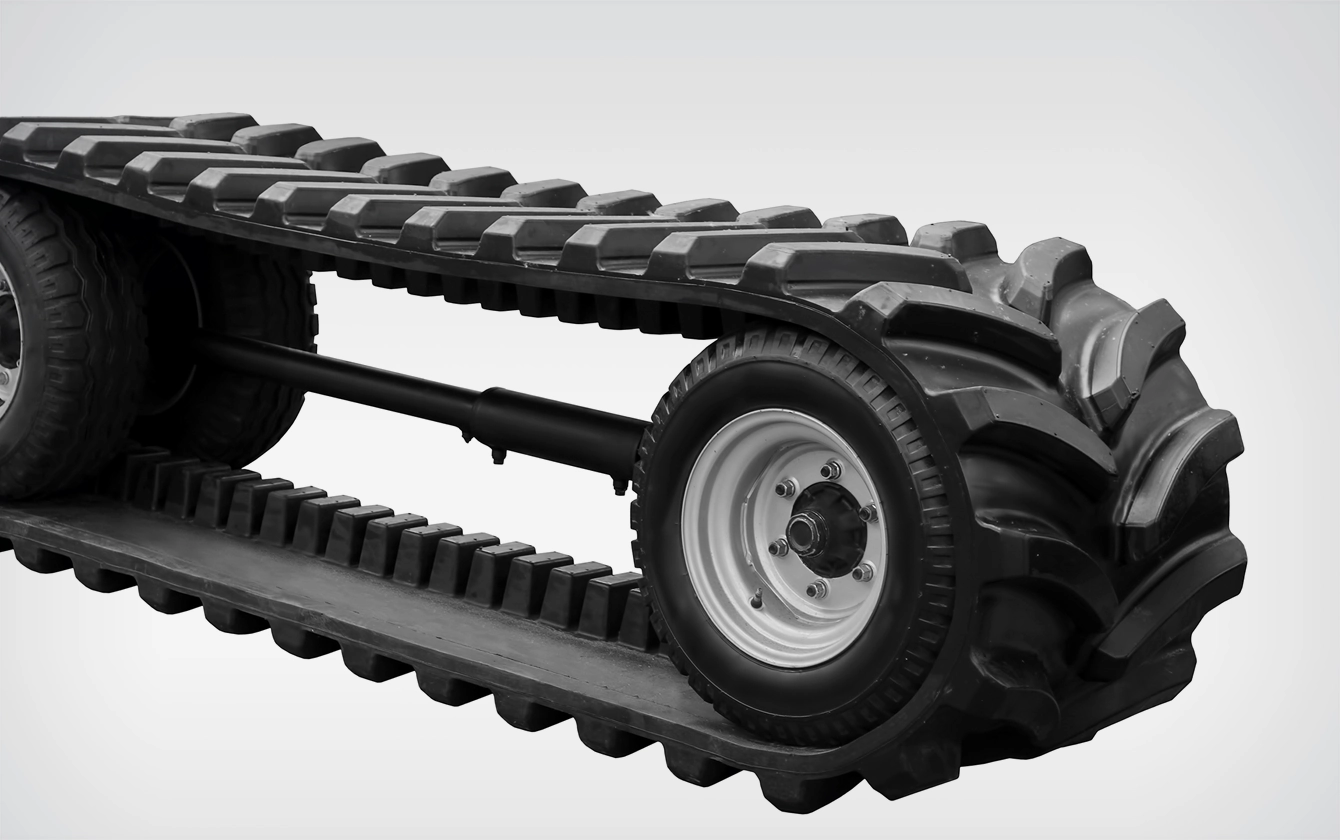
Our range covers general vertical machines, servo-hydraulic platforms, C-frame presses, power-insulator equipment, rubber-track lines, glass-encapsulation machines, horizontal sealing-ring systems, liquid-silicone equipment, and other dedicated solutions. This breadth allows rubber injection machine manufacturers to be compared by relevant application architecture rather than by the largest specification in a catalog.
Large parts, for example, may need substantial shot capacity, large molds, strong clamping, and safe material handling at the same time. At Dekuma, as one of the rubber injection molding machine manufacturers, we approach equipment as part of a production system.
Evaluate Automation as a Production Sequence
Automation will need to remove a defined source of risk, variation, or lost capacity. A robot or auxiliary device is useful only when material feeding, insert placement, mold motion, curing, removal, cleaning, inspection, and fault recovery form a balanced sequence.
The interface must define permissions, completion signals, timeouts, and safe states. Buyers need to request a cycle study that includes manual tasks and recovery, not only the fastest uninterrupted automatic run.
Different applications justify different automation. Rubber-track production can combine controlled tensioning, take-out, demolding, and vulcanization to reduce heavy handling. Power-insulation projects may emphasize large-mold access, controlled injection, and stable temperature conditions.
Automotive cells may require precise insert placement, sealing-strip corner molding, or glass support. Capable rubber injection molding machine manufacturers adapt the automation concept to the product instead of applying one standard cell to every factory.
Define Commissioning and Acceptance before Ordering
The proposal should state how machine and project readiness will be demonstrated. Factory acceptance may cover safety, movements, pressure and temperature control, repeatability, alarms, interfaces, and representative molding when tooling and material are available. Criteria may need to specify sample quantity, stabilization time, measurement method, tolerances, and treatment of interruptions.
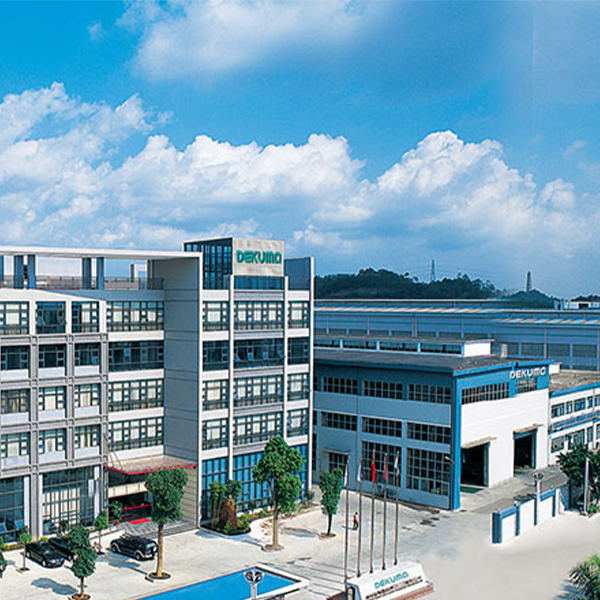
Site acceptance can then verify utilities, installation, integrated equipment, recipes, and production under local conditions. We were founded in 2004 and report more than twenty years of rubber injection molding experience, more than 1,500 customers, and service coverage in over 50 countries.
Customer references span automotive rubber parts, composite insulators, cable accessories, rubber tracks, and other industrial products. These figures offer useful context, but a buyer may still need to request evidence relevant to the proposed material, product scale, automation level, and regulatory environment.
Measure After-Sales Capability over the Lifecycle
After-sales service starts before shipment. Documentation, training plans, spare-parts lists, maintenance schedules, remote-access rules, and escalation channels should be agreed while responsibilities are clear. Operator training needs to cover recipes, normal operation, alarms, quality checks, and safe recovery.
Maintenance personnel require information about hydraulic systems, heating, sensors, calibration, lubrication, wear items, backups, and revision control. Our service scope at Dekuma includes turnkey project delivery, on-site training, after-sales service, and end-to-end technical assistance. Buyers comparing rubber injection machine manufacturers should translate such commitments into locations, response targets, contact routes, warranty scope, parts availability, and customer obligations.
Accurate machine records and diagnostic information also matter because even a strong service team cannot investigate efficiently without a clear description of the fault and its production context. Lifecycle review may need to include how the supplier manages software, drawings, part numbers, and machine modifications.
The factory needs approved backups and a record of parameter or component changes. Maintenance recommendations should account for operating hours, compound, load, environment, and observed condition rather than relying on one interval for every installation.
Initial capacity remains necessary, but it is only one part of production value. Quality and availability should be judged with agreed measures such as accepted output, scrap, changeover time, downtime causes, energy per production unit, and response to critical faults.
Demonstrated protection of acceptable output gives procurement teams a stronger basis for comparing rubber injection molding machine manufacturers as long-term partners rather than as press vendors.
These controls help prevent undocumented changes from weakening repeatability or complicating later service. We believe a final comparison may need to combine application fit, engineering ownership, testable customization, maintainable automation, commissioning discipline, and service continuity.