Custom equipment is justified when a standard press cannot meet an important product, material, mold, handling, or factory requirement. The word custom may need to describe a testable engineering response, not an undefined collection of options. The questions below help buyers define the scope, cost boundary, and acceptance criteria for custom injection molding.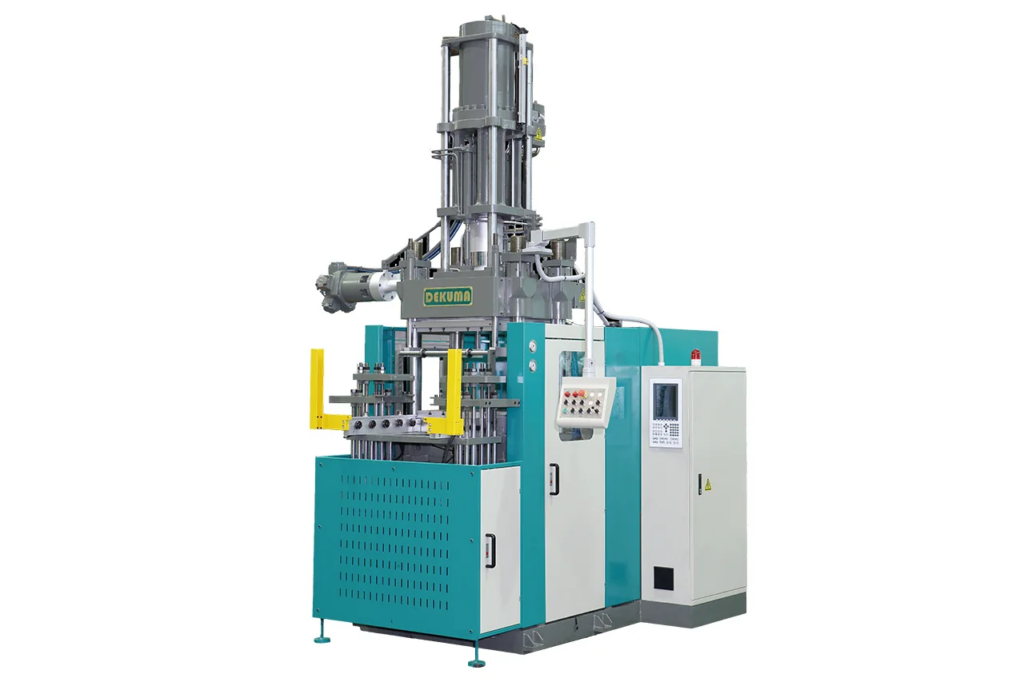
When Does a Project Need Customized Equipment?
Product size and weight may require a particular shot volume, platen, opening stroke, or clamping structure. The compound may need controlled feeding, independent barrel temperatures, vacuum, silicone feeding, or a cold-runner arrangement.
Mold weight and access can create requirements for lifting, holding, sliding, overturning, or ejecting devices. Output and labor targets may also justify automated handling or multiple workstations. The decision should begin with a requirements matrix.
Each requested function needs a production reason, measurable result, interface owner, and acceptance method. A custom injection molding project may combine standard modules in a new arrangement rather than requiring an entirely new machine.
This approach can reduce technical risk while preserving the changes that genuinely affect safety, quality, cycle balance, or changeover time. The matrix should also separate present requirements from possible future products. Designing every imaginable capability into the first machine can add cost, space, and maintenance burden.
Where expansion is realistic, the project can instead reserve electrical capacity, control interfaces, mounting points, or software provisions. This keeps the initial configuration focused while avoiding preventable barriers to a planned second stage.
The review should assign an owner to each future provision and state what additional components, validation, and downtime would be required to activate it. Otherwise, a labeled provision may create confidence without actually reducing later integration work.
Which Machine Functions Can Be Configured?
Our control can divide injection into three independently adjustable pressure and speed zones and provide three adjustable dwell stages. Clamping can use multiple pressure and speed zones, low- and high-pressure mold-protection settings, repeated venting cycles, and controlled stroke. Plasticizing- and injection-barrel temperatures can be managed independently through separate heat-transfer-oil circuits.
German-made proportional flow, pressure-control, and directional valves support hydraulic control. Available modules can include upper mechanical or hydraulic mold lifting, lower mold holding, sliding tables, single- or double-layer ejecting arrangements, overturn functions, silicone feeding, cold-runner equipment, and vacuum systems, depending on the machine family.
A custom injection molding machine does not automatically include every module. The quotation and technical agreement should identify the selected functions, performance conditions, safety interfaces, utilities, and provisions for possible future expansion.
How Should Cost and Project Risk Be Evaluated?
Custom cost includes engineering, components, controls, tooling interfaces, automation, validation, documentation, installation, and training. It may also include matching mold design and production so that tooling and equipment are developed as one system.
Buyers need to compare proposals on the same scope and identify who is responsible for the material, mold, auxiliary devices, safety integration, data connection, and sample acceptance. Risk can be reduced through design reviews and staged approvals.
Layouts, drawings, component lists, sequence descriptions, and interface documents must be reviewed before manufacturing. Software and recipe ownership, remote-access rules, backups, and change control need early agreement. Any new mechanism will need to have safe manual and maintenance modes, not only an automatic cycle that works under ideal conditions.
A sequence review should cover missing material, an incorrect mold, failed sensor feedback, interrupted transfer, open guard, utility loss, and restart after an emergency stop. The required safe state, alarm, operator action, and event record must be defined.
These scenarios often reveal dependencies that are invisible in a normal-cycle demonstration and reduce reliance on improvised recovery during production. Our work at Dekuma uses a modular approach to configure each custom injection molding machine around the production workflow.
What Should Testing and After-Sales Support Cover?
When required, we can test the machine with the customer’s mold or material before delivery. The trial plan must specify the compound, mold, stabilization time, sample quantity, cycle conditions, measurements, tolerances, and handling of interruptions. Machine-function tests and product-process validation may need to be distinguished so that both parties understand what a result proves.
Open items need documented owners and completion dates. After delivery, we at Dekuma can provide remote guidance, on-site installation, training, and 24/7 after-sales assistance. Training must cover recipes, changeovers, alarms, inspection, maintenance, and abnormal recovery. Spare parts may need to be prioritized by lead time and production consequence.
Accurate service records help engineers relate a fault to configuration, operating history, and recent changes. Cost control continues after acceptance. The plant can track acceptable output, scrap, energy, labor, changeover time, maintenance hours, and downtime by product and recipe.
Comparing these values with the approved business case shows whether a custom function is delivering its intended result. If it is not, the data provides a factual basis for process adjustment instead of encouraging another hardware addition by default.
A successful project connects product geometry, material behavior, mold design, machine control, handling, and factory workflow without adding complexity that has no operational purpose. Explicit technical scope, cost boundaries, test methods, and support duties let buyers judge whether customization will create durable production value.
The review period should be long enough to include normal product changes and maintenance, since a short demonstration may hide setup effort or reliability demands that shape the real return. We view custom injection molding as a controlled route from requirements to validated production.