Industry News
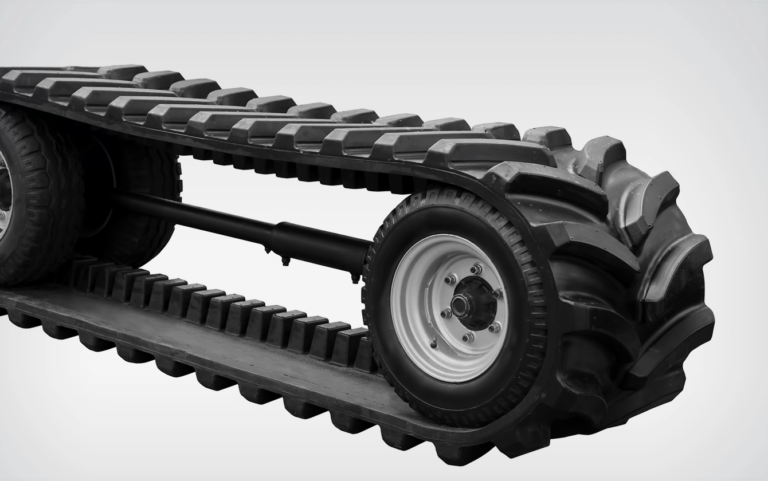
Long curing cycles and heavy parts make coordination among material, reinforcement, molds, handling, and inspection essential in rubber-track equipment. The appropriate configuration differs with the

Long curing cycles and heavy parts make coordination among material, reinforcement, molds, handling, and inspection essential in rubber-track equipment. The appropriate configuration differs with the

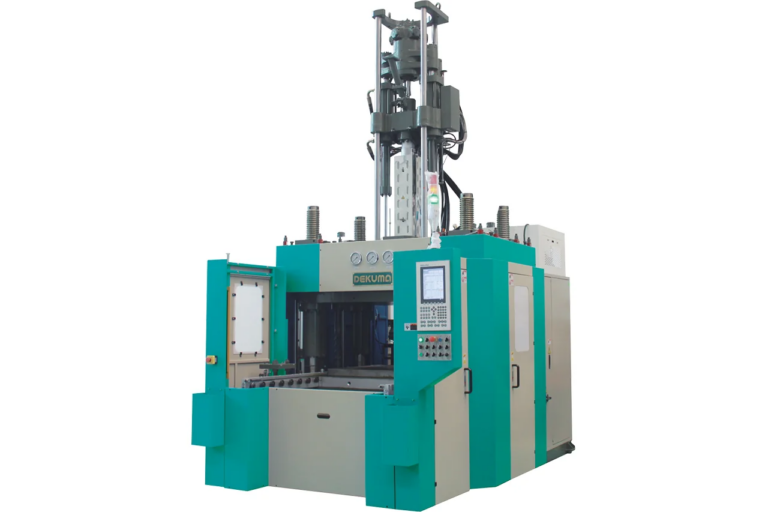
Liquid silicone rubber production demands coordinated dosing, mixing, injection, mold temperature, handling, and validation. Selecting a supplier therefore requires more than confirming that a machine
Accurate positioning of a large and fragile glass insert is the starting condition for injecting TPV around an automotive window edge. Machine capacity, handling, tooling,
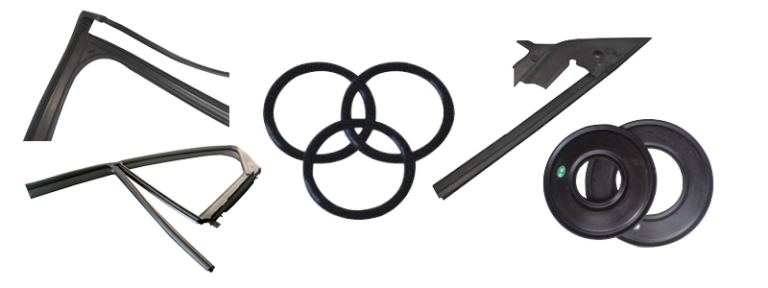
Automotive weatherstripping does far more than finish the edge of a door or window. It helps protect the cabin from water, dust, wind, heat transfer,
Machine controls coordinate recipes, movements, pressure, temperature, timing, alarms, and operator interaction. Their value lies in repeatable production and diagnosable behavior, not in the screen
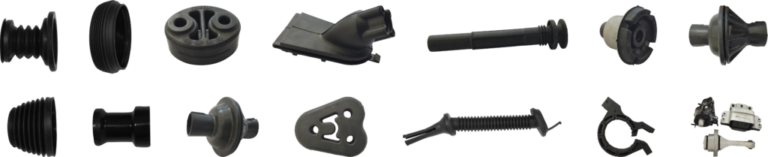
C-frame equipment provides three-sided mold access, making it useful where inserts, profiles, tooling, or automation need an open working area. That accessibility must still be
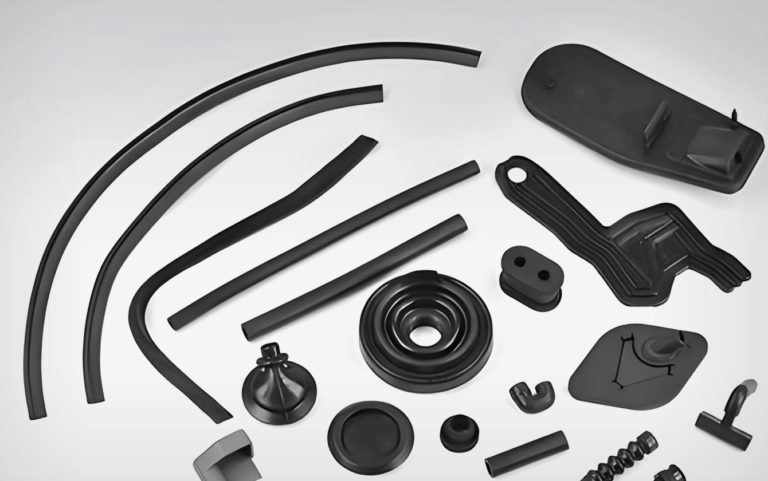
Hydraulic clamping remains valuable in rubber molding because it can deliver controlled force across injection, mold protection, curing, and opening stages. Its economics depend on
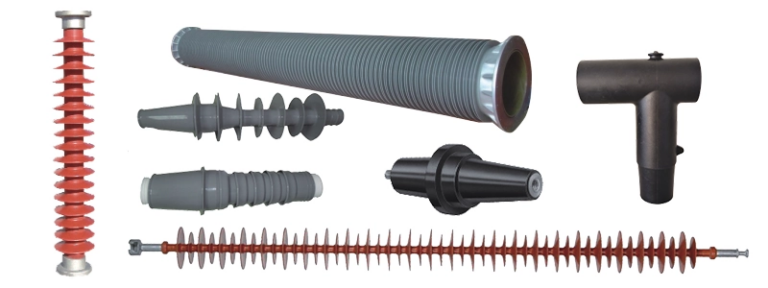
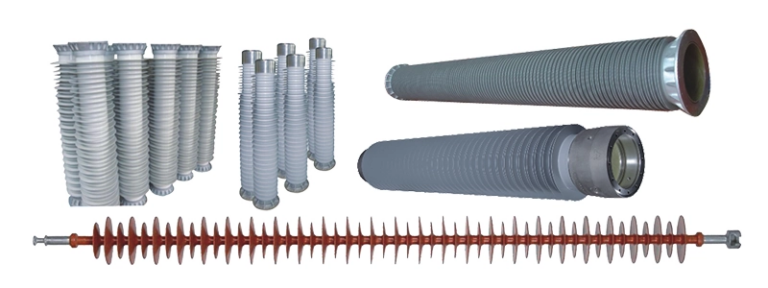
Silicone rubber injection for electrical insulation requires stable material preparation, accurate shot control, strong clamping, thermal management, and safe access to substantial molds. These requirements
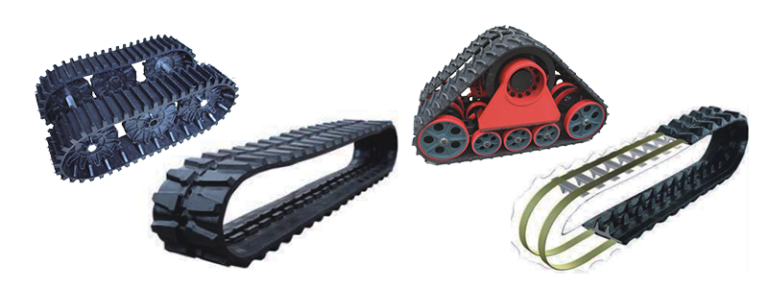
From compound preparation to final inspection, rubber-track production moves through reinforcement placement, molding, vulcanization, and heavy handling. Equipment cost cannot be assessed responsibly without considering