Material selection determines much of the molding process, but the machine must translate compound behavior into controlled feeding, injection, clamping, temperature, and curing. EPDM is widely chosen where weather, ozone, heat, or electrical-insulation performance matters. Application fit, cost drivers, and technical verification form the three practical tests for EPDM rubber injection molding.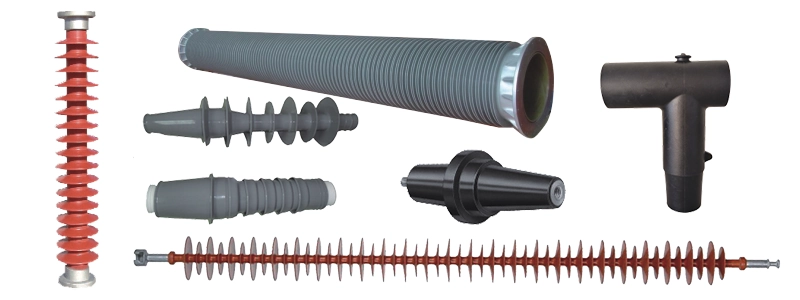
Where Is EPDM Used, and What Does That Imply?
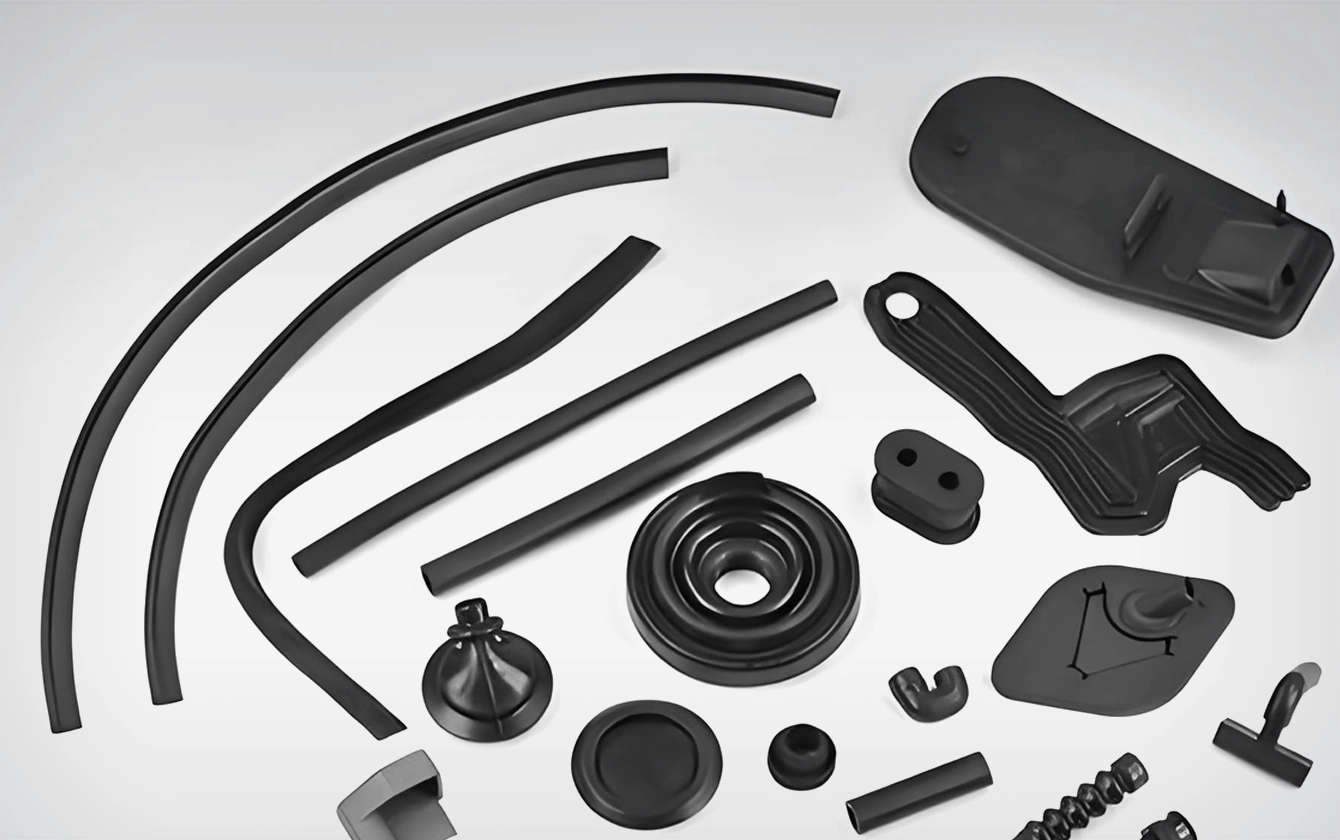
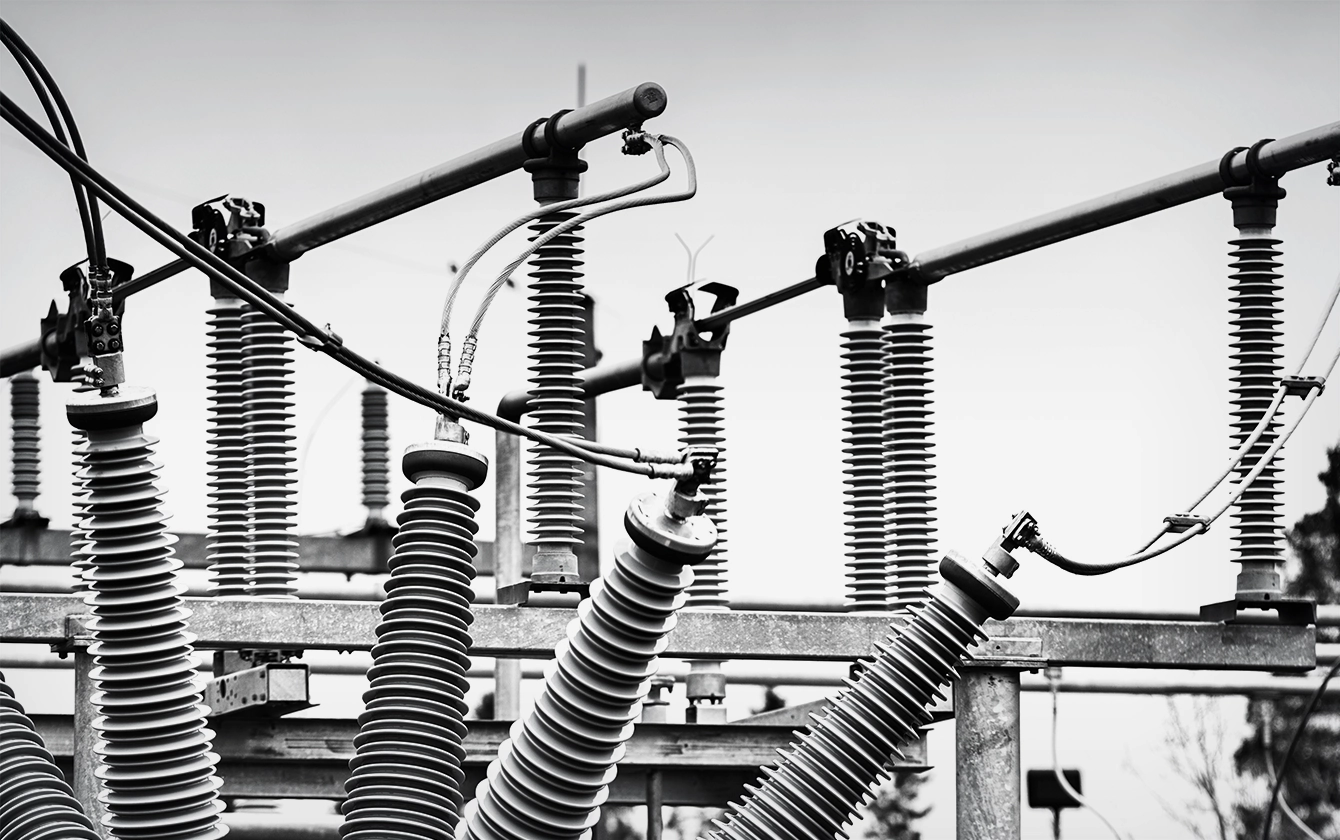
EPDM is used for automotive sealing, cable insulation, roofing-related products, and other components exposed to weather or ozone. Its useful properties do not define one universal recipe. Formulation, hardness, fillers, part thickness, cavity geometry, and cure system influence viscosity, temperature response, injection behavior, and cycle time.
Material data and representative trials are therefore more reliable than settings borrowed from a different EPDM grade. Storage and preparation also belong in the process definition. Batch identity, shelf-life controls, temperature history, preforming method, and contamination prevention can affect the consistency presented to the machine.
If these conditions change without a record, production teams may adjust pressure or temperature to compensate for a material issue and unintentionally move the validated process away from its stable window.
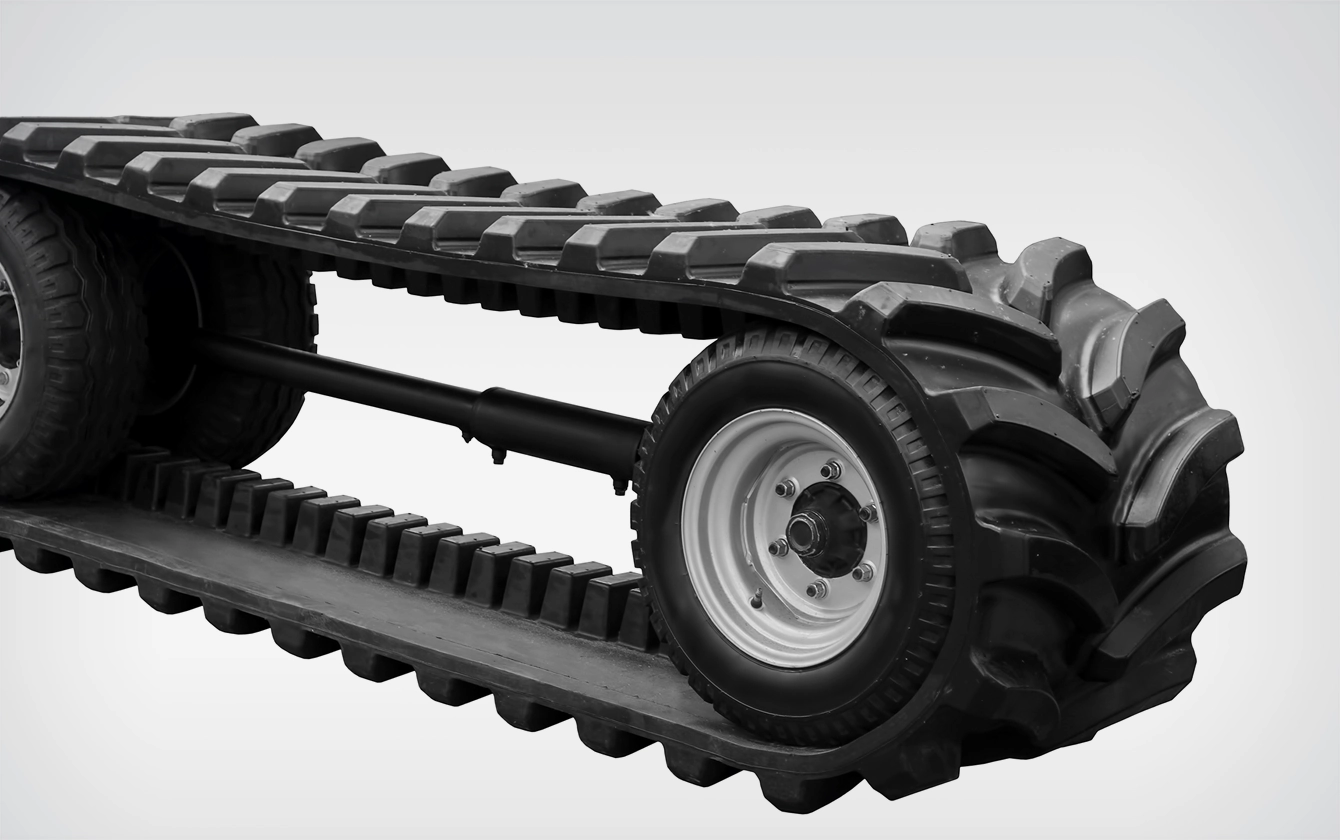
Incoming checks and material-release rules may therefore need to identify which properties are verified, how nonconforming batches are isolated, and who may approve a controlled deviation. Different compounds also clarify why machine selection must remain material-specific. Natural rubber offers elasticity, abrasion resistance, and low-temperature flexibility for products such as vibration dampers, rollers, belts, and tires.
Silicone spans a wide temperature range and serves insulation, medical, food-contact, and other applications. Thermoplastic elastomers process quickly and can be recyclable. EPDM rubber injection molding cannot be evaluated through assumptions developed for these materially different families.
Which Process Variables Need Early Validation?
Flow rate and viscosity influence filling speed, injection pressure, and the risk of incomplete edges or trapped air. Thermal stability and curing behavior determine the useful temperature window and residence-time limits. Part thickness and thermal conductivity affect cure time.
Venting, mold temperature uniformity, shot consistency, and controlled pressure stages all influence repeatable production of acceptable parts. Our RV machines process natural rubber and EPDM and use optimized plasticizing for high-hardness compounds.
RA equipment can process EPDM and silicone for large power-insulation products. The suitable platform depends on shot volume, required clamping force, mold size, opening stroke, product length, handling, and automation.
A machine capable of processing EPDM in one application may still be unsuitable for a much larger or structurally different part. Mold design must be reviewed at the same time. Runner dimensions, cavity balance, venting, heating layout, surface condition, and demolding method influence filling and cure.
A press cannot correct a blocked vent or uneven mold temperature through pressure alone. Trials will therefore need to record mold condition and cavity results, especially when a multi-cavity tool is expected to meet a common tolerance.
Measurements by cavity can reveal flow or thermal imbalance that would disappear inside an overall average and can guide targeted correction without changing a stable material recipe unnecessarily. Our application engineering at Dekuma matches injection molding rubber materials to appropriate equipment and process conditions.
What Drives Equipment and Production Cost?
Equipment cost reflects injection capacity, clamping structure, platen and opening dimensions, heating, hydraulic or servo control, mold handling, feeding, vacuum or runner technology, automation, and safety. Tooling, utilities, installation, training, testing, and spare parts also belong in the capital boundary.
The lowest-cost press can become expensive if it creates excess material loss, long changeovers, unstable cycles, or difficult maintenance. Operating cost is affected by compound price, runner and flash waste, energy, curing time, labor, maintenance, downtime, and yield.
For injection molding rubber materials, comparisons may need to use energy and material per accepted part rather than daily totals alone. A higher-viscosity formulation may need different pressure or cycle conditions, so production data will need to be normalized by product and recipe before teams draw conclusions about efficiency.
How Should Technical Qualification Be Organized?
The project specification should identify the exact compound or approved range, product and mold drawings, part weight, cavity count, shot calculation, clamping requirement, temperature and pressure windows, cure method, output target, utilities, automation, and quality criteria.
Trials must define stabilization time, sample quantity, measurement method, and treatment of interruptions. Results from one formulation must not be generalized to every EPDM grade. The qualification will also need to include selected abnormal conditions.
Teams can verify the response to a material mismatch, temperature deviation, incomplete fill, alarm, or interrupted cycle. The procedure must identify which output is isolated, who may authorize a restart, and which records must be retained.
This protects traceability and prevents a process exception from becoming an undocumented routine. Maintenance planning will need to cover barrel and feeding condition, hydraulic response, heating, sensors, mold temperature, seals, lubrication, and calibration. Recipe and material changes need authorization and records.
Reliable output comes from matching compound behavior with capacity, control, mold design, and cure conditions, then verifying that relationship under representative production. This approach allows cost and performance to be assessed through accepted parts and stable operation instead of broad material claims.
Our support from Dekuma can cover machine selection, configuration, trials, commissioning, training, and after-sales service, but the factory must preserve approved material storage, preparation, tooling, and operating practice. We consider EPDM rubber injection molding a coordinated material-and-equipment process.