Industry News
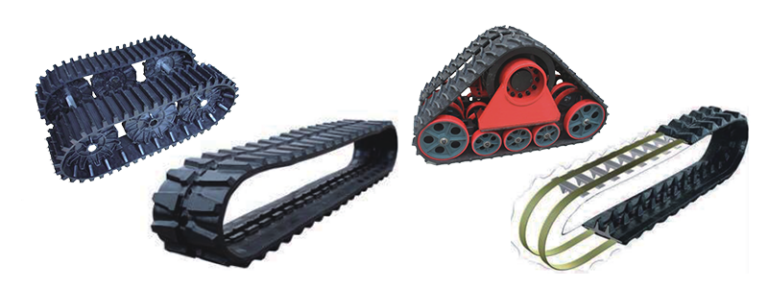
Large material volumes, reinforcement placement, heavy molds, long cures, demanding handling, and substantial energy use define the operating constraints of rubber-track production. In later implementations,

Large material volumes, reinforcement placement, heavy molds, long cures, demanding handling, and substantial energy use define the operating constraints of rubber-track production. In later implementations,
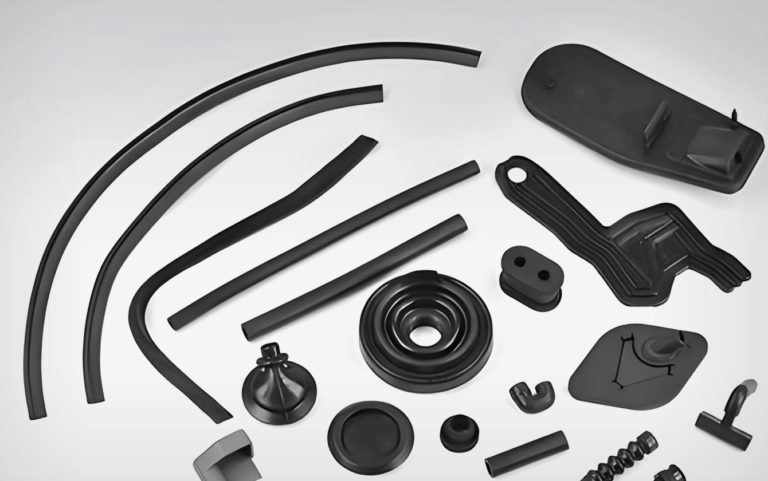
In modern manufacturing, producing high-quality, durable rubber components at scale requires a balance of precision, speed, and reliability. Conventional rubber injection molding injects an uncured
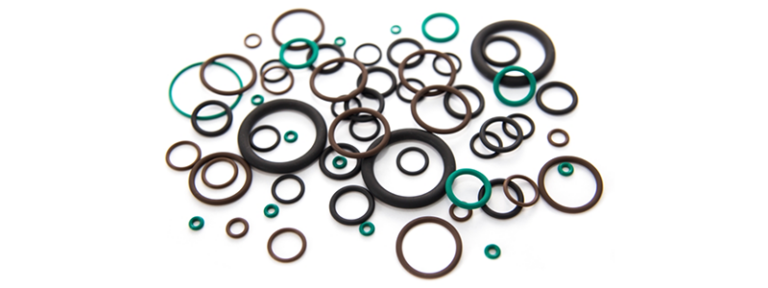
Sealing rings and other precision rubber parts are produced in high repetition, so small losses in material, cycle time, cleaning, or yield can accumulate quickly.
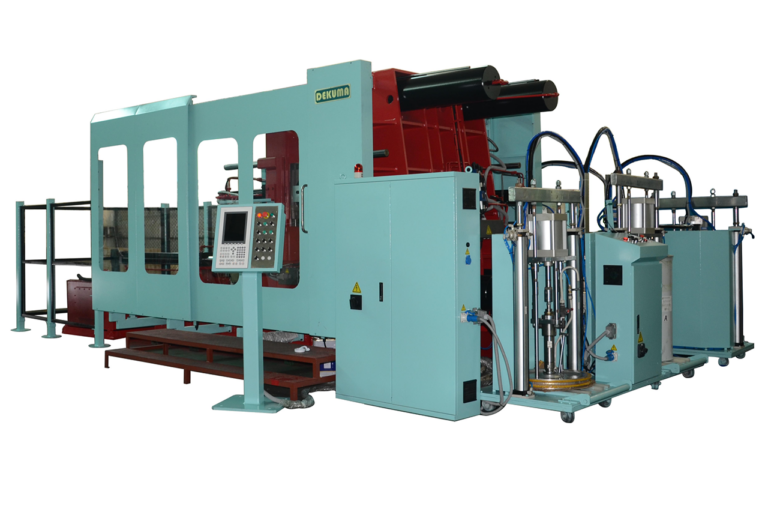
Liquid silicone rubber turns two material components into a mixed, injected, and cured product through a closely timed process. Ratio, flow, temperature, contamination, mold behavior,
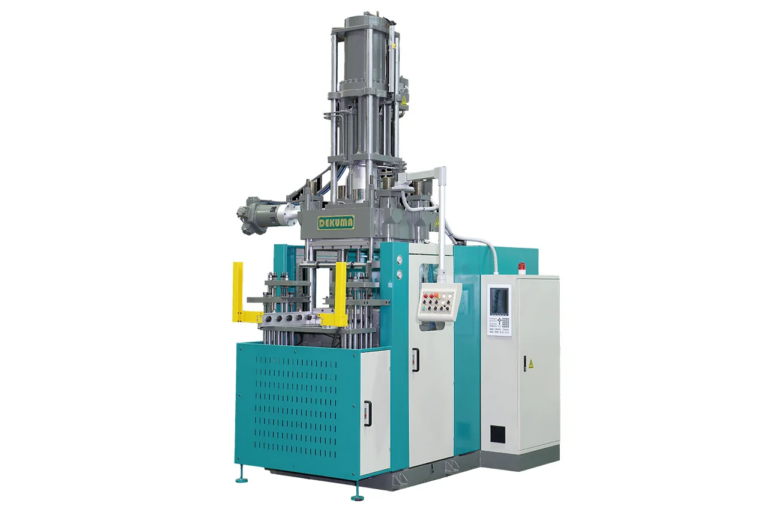
A requirement that standard architecture cannot meet efficiently is the clearest justification for custom equipment. In later implementations, development will make customization more modular, measurable,
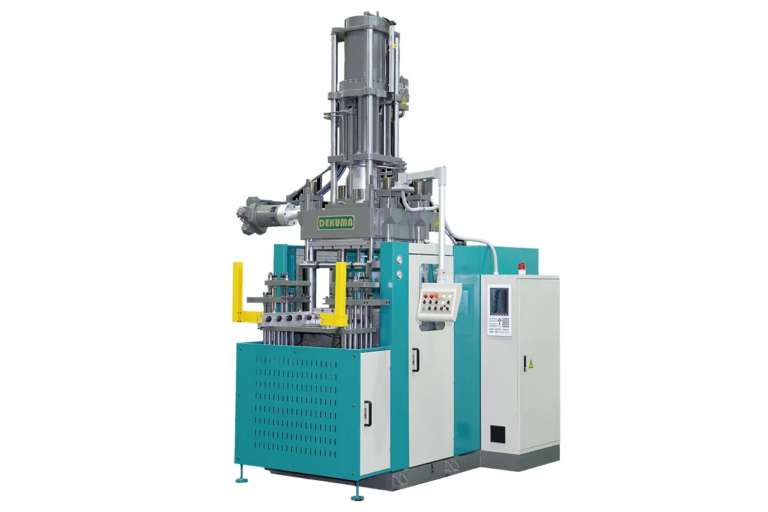
The next stage of rubber molding will be shaped less by one dramatic invention than by tighter coordination among material, machine, mold, automation, data, and

A rubber molding project begins long before a press is ordered. Product performance, compound behavior, tooling, capacity, automation, utilities, acceptance, and support must be translated
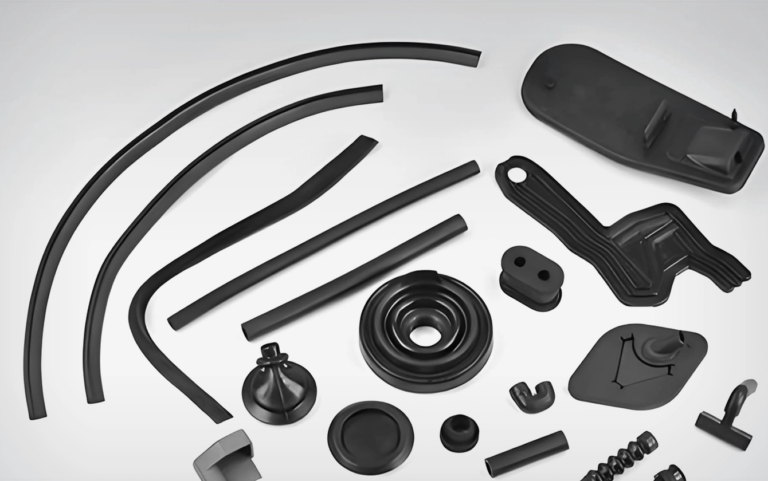
Automotive rubber production includes flexible seals, anti-vibration parts, oil seals, O-rings, connectors, glazing edges, and TPU components. Their materials and process routes vary enough that
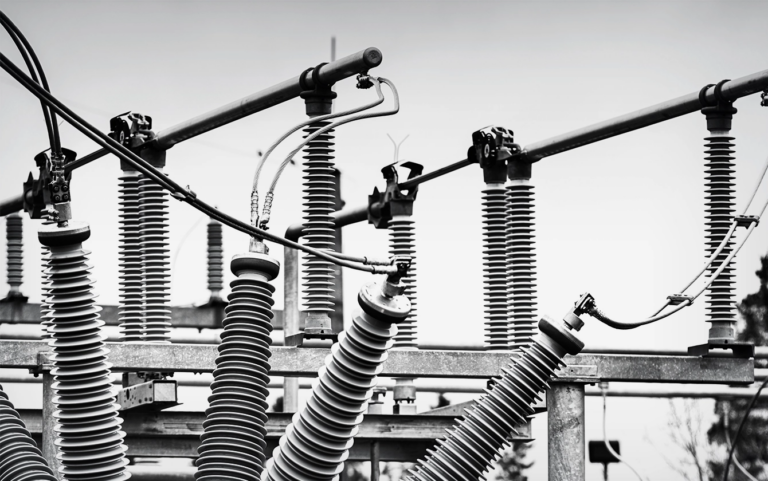
Power-industry rubber molding covers products with very different geometry and capacity demands, from cable accessories to long and hollow composite insulators. Equipment must be selected