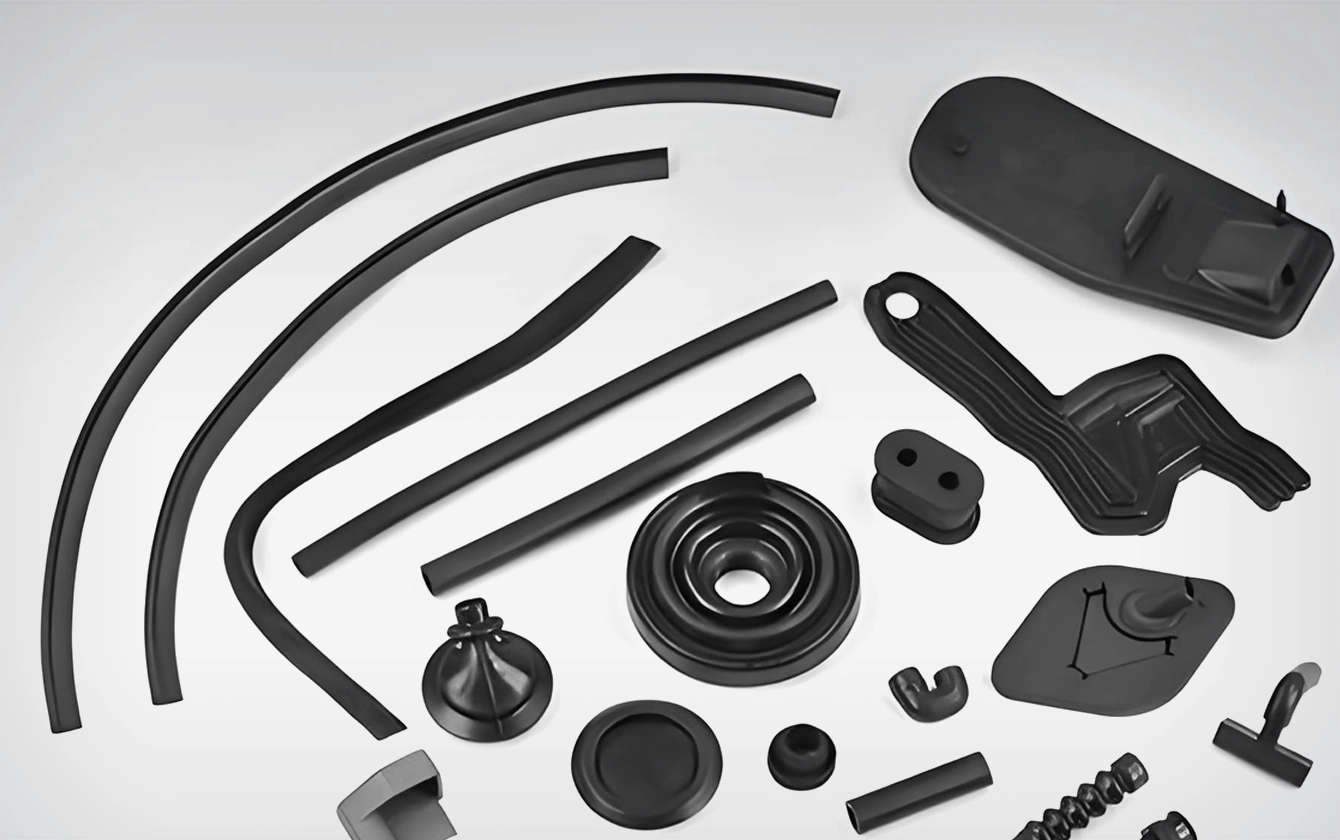
Runner design has a direct effect on material use, filling balance, cycle conditions, and mold complexity in rubber production. A cold runner keeps runner material below the main curing condition so that more of it can remain processable instead of becoming cured waste. A useful assessment connects a cold runner system with material use, equipment cost, technical qualification, and the quality of injection molded rubber parts.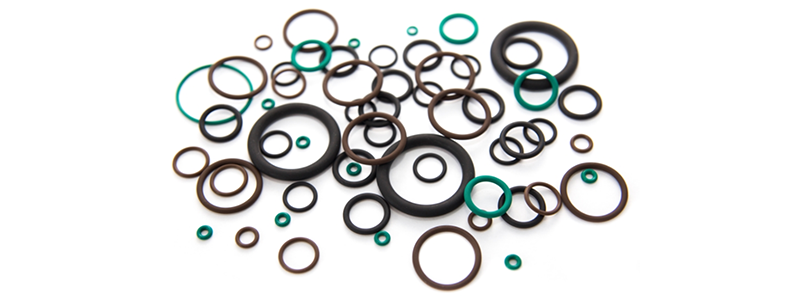
Which Products Benefit from a Cold Runner?
The method is especially relevant to repeated production of O-rings, sealing rings, and similar parts where runner waste can represent a meaningful share of material use. A balanced flow path can also support cavity consistency.
The economic benefit depends on compound price, runner volume, cavity count, production volume, scrap rate, maintenance, and the additional tooling and control required. It will need to be calculated for the actual mold rather than assumed from the technology name.
A baseline calculation can compare material entering the cell with accepted part weight, cured runner and flash, startup loss, purge loss, and rejected output. The analysis needs to use a representative period rather than a single ideal cycle.
This shows whether the runner is the main loss source and prevents the project from overstating savings while another defect or changeover practice consumes more material.
Our RH Series is a horizontal rubber injection platform designed for seals made from natural rubber, nitrile rubber, and fluoro rubber. Automatic brushes support part pickup and mold cleaning, helping control flash and surface contamination through repeated cycles.
For injection molded rubber parts, automatic removal and cleaning must be coordinated with mold opening, ejection, inspection, and fault recovery so that the handling sequence does not damage delicate rings or hide a developing mold issue.
How Does Material Flow Affect Part Quality?
The FIFO injection design moves material through the barrel in first-in-first-out order, limiting residence time and reducing the risk of premature or excessive vulcanization. Ultra-high-pressure injection fills cavities quickly and is intended to reduce air bubbles, short shots, and incomplete edges.
These functions do not eliminate the need to validate compound viscosity, temperature, venting, injection speed, pressure stages, and cure behavior for the selected mold. Cold-runner mold technology shortens the heated material path and can reduce cured runner waste while supporting flow balance.
In the RH arrangement, the injection unit is integrated into the mold-template area to shorten the injection route. A cold runner system still requires appropriate channel temperatures, insulation, sealing, control zones, and maintenance.
Poor thermal balance or contamination can offset the expected material benefit and create cavity-to-cavity variation. Control zones must be accessible for monitoring and diagnosis. Temperature sensors, channels, and setpoints need clear identification, while alarms require defined limits and actions.
During startup, the tool may need a stabilization period before cavity balance is judged. Recording this condition helps operators distinguish normal warm-up behavior from a fault that requires intervention. We apply this technology within suitable sealing applications in our work at Dekuma.
What Capacity and Cost Items Should Be Checked?
Published RH models cover injection pressures around 2,500 kg/cm2, volumes of roughly 180 to 1,600 cc, and clamping forces from about 1,000 to 4,500 kN. Opening strokes, platen dimensions, machine weight, hydraulic power, and heating power vary by model. Selection should use total shot requirements, mold envelope, cavity layout, opening and handling space, compound behavior, output target, and utility limits rather than any single maximum value.
Project cost includes the press, cold-runner mold, temperature controls, automatic brushes or other handling, safety, installation, trials, training, spares, and maintenance. Savings may need to be based on avoided cured waste and acceptable output after subtracting extra energy, cleaning, setup, and tooling costs.
A servo-driven hydraulic pump changes flow and pressure with real-time demand, reducing unnecessary energy use without removing the pressure required for molding, but actual savings depend on the cycle and baseline.
How Should the Process Be Validated and Maintained?
Trials should use representative material and define stabilization time, shot sequence, sample quantity, cavity measurements, visual criteria, runner temperature, process limits, and handling of interruptions. Cavity balance must be assessed from measured output rather than appearance alone.
The team may also need to test startup, shutdown, material change, blocked flow, brush faults, and safe manual recovery. Acceptance will need to connect process performance with economics. The agreed run can record cavity weights, defect categories, cycle time, runner waste, energy, and interruptions.
These measurements provide a reference for later maintenance and make it easier to identify whether a rise in material use comes from thermal drift, wear, contamination, or a changed recipe.
Maintenance needs include runner-channel cleanliness, heaters or cooling circuits, sensors, seals, injection components, hydraulic condition, brush alignment, lubrication, and mold surfaces. Parameter changes and repairs will need to be recorded because they can affect both filling and material loss.
Its value depends on material economics, balanced filling, suitable equipment, maintainable tooling, and disciplined operation. Verified material economics, balanced filling, maintainable tooling, and disciplined operation allow the system to reduce runner waste without shifting cost to defects, downtime, or inconsistent injection molded rubber parts.
Our support from Dekuma can cover application matching, commissioning, training, spare parts, and after-sales service for the selected configuration. We view the cold runner system as one element of a controlled sealing process.