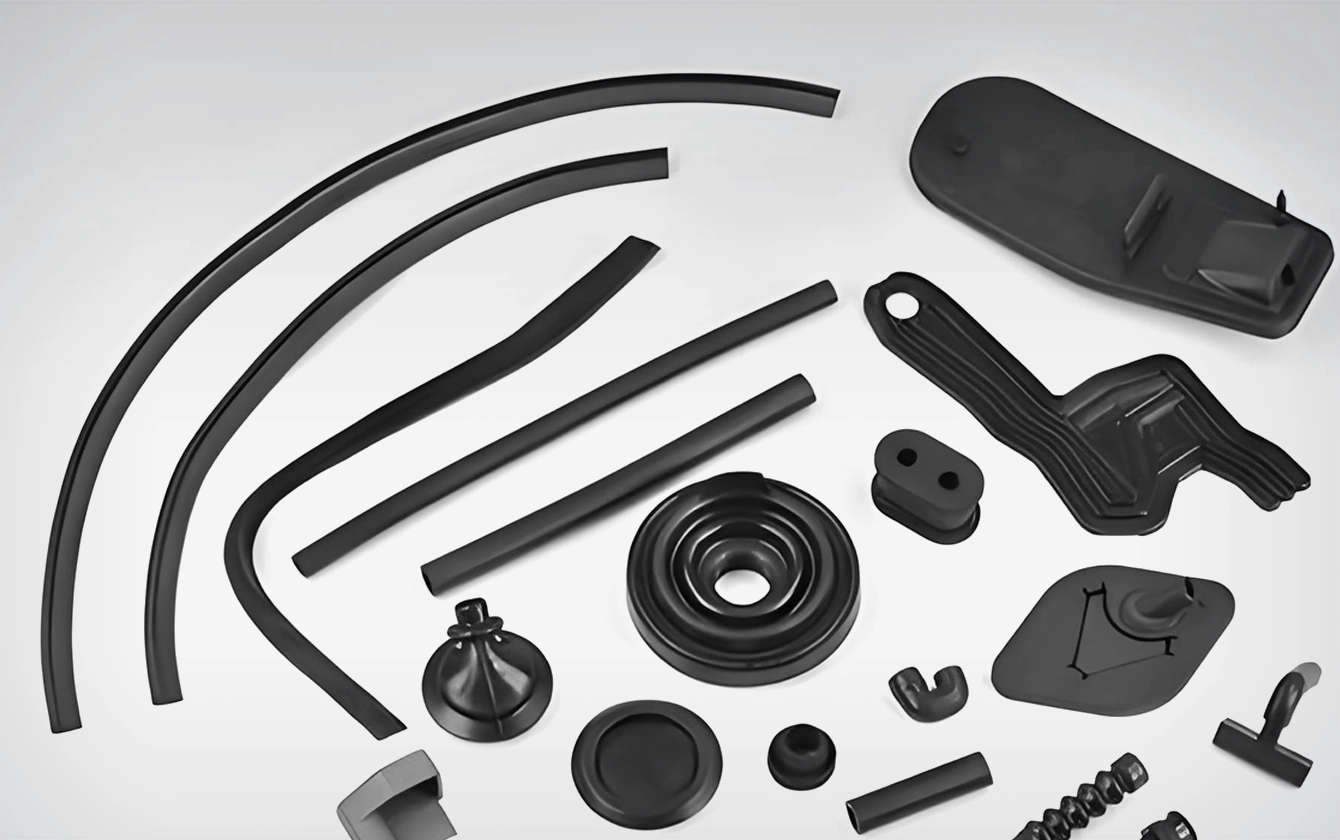
Automotive rubber factories may produce sealing strips, gaskets, anti-vibration parts, oil seals, O-rings, connectors, glass encapsulation, and TPU components within one operation. These products do not share a single material route or machine layout. MES and automation planning must connect every automotive rubber molded component to the right material, mold, platform, recipe, and quality plan.
Choose the Platform from the Production Task
RV machines cover general automotive rubber molding. Servo-hydraulic RV-Se equipment processes TPV, TPE, flexible modified PVC, and related injection-moldable materials. RV-B glass-encapsulation systems support large windows with integrated TPV edge sealing and precise shot control.
RC C-frame machines provide open access for sealing-strip corner joints, precision seals, skeleton oil seals, and TPU overmolding. Each architecture creates different possibilities for tooling, handling, and data collection.
Material compatibility must be confirmed at the configuration level. NR, NBR, EPDM, butyl rubber, TPV, TPE, and other compounds require different feeding, temperature, pressure, and curing or cooling conditions. The machine name alone cannot establish suitability.
A project matrix can convert these variables into an auditable selection. It will need to map each part family to approved compounds, shot range, mold envelope, clamping requirement, heating or cooling needs, and handling method.
Engineering exceptions require review before scheduling. Once approved, the same relationships can guide MES routing and prevent a work order from being assigned to a platform that lacks the necessary configuration.
For an automotive rubber molded component, engineering review may also need to cover shot size, cavity layout, inserts, surface requirements, flash limits, opening stroke, part removal, target output, and changeover frequency.
Give Every Cycle a Traceable Production Context
Useful records may include work order, part and mold identifiers, material batch, recipe revision, injection pressure, shot quantity, temperature, stroke or switching position, cure time, alarms, inspection result, and operator intervention.
The iSee intelligent management cloud platform can monitor machine status, analyze production information, and help manage workflows for quality control and traceability. Data definitions must remain consistent across platforms so that a plant-wide report compares equivalent states and units.
An automotive rubber molded component may also require insert or subcomponent genealogy. Sensors and identification devices can confirm presence, orientation, and routing before injection. The system needs to record failed checks and authorized recovery instead of allowing an operator to clear every exception without context.
Quality holds must prevent suspect output from being reported as normal completion while still preserving the information needed for investigation. Data resolution may need to follow the control plan. Product and material identifiers may be event records, while pressure, position, or temperature may require curves or interval samples.
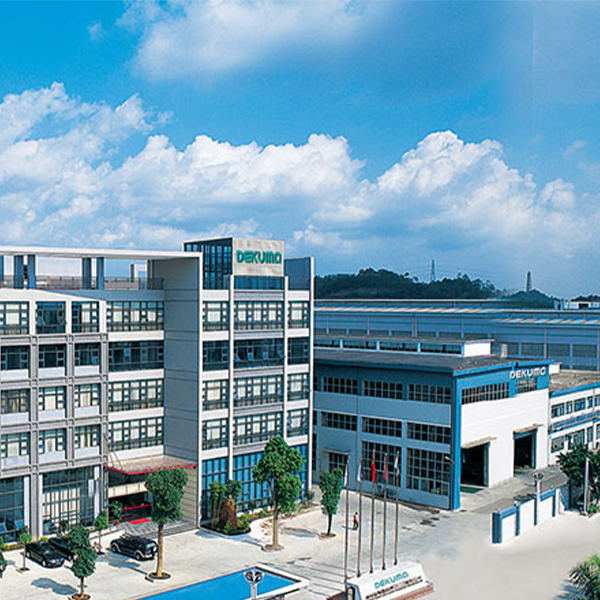
Every value needs a unit, timestamp, source, and communication-quality state. Recipe and software revisions must remain traceable so that engineers can separate a real process shift from a change in data collection or configuration. Our approach at Dekuma treats rubber injection molding for the automotive industry as a family of application-specific processes.
Build Automation on Controlled Machine Behavior
Precision molding depends on controlled injection and temperature management. Stored parameter presets and quick mold-change functions are available on applicable models, supporting repeatable setup and product changes. In rubber injection molding for automotive industry, recipe download must include verification of the machine, mold, material, and authorization.
Safety functions and fast control remain local even when work orders and records are exchanged with the MES. Handling automation will need to address a defined constraint. Flexible seals can deform during removal, hot parts may expose operators, and glass or long profiles require careful support.
The cell study must include feeding, insert placement, molding, unloading, inspection, packing or downstream transfer, and fault recovery. A robot that completes its own move quickly does not raise output if curing, inspection, or manual preparation remains the limiting operation. Commissioning will need to include representative parts and planned exceptions.
The team can verify insert checks, recipe mismatches, failed transfers, guard openings, inspection rejects, and network loss. Each case needs a safe stop, understandable message, authorized recovery path, and correct production record. These trials reveal interface gaps before operators face them under output pressure.
Plan Changeovers, Maintenance, and Data Continuity
Mixed production benefits from documented tooling interfaces, stored recipes, adjustable devices, and verified material-change procedures. During a changeover, the system should confirm mold, material, recipe, and inspection status before releasing production. MES connectivity also needs an offline plan.
The machine must remain safe if communication stops, and delayed records need a controlled method for reconciliation after service returns. A maintenance interval of roughly six to twelve months is generally recommended depending on use, but actual work will need to follow machine condition, operating hours, environment, and the applicable manual.
Pressure response, heating, sensors, hydraulic condition, alarms, cycle time, and energy trends can help maintenance teams identify developing issues. Spare-parts planning must prioritize items by lead time and production consequence rather than holding the same inventory for every platform.
Connected automotive molding delivers value when the data represents a stable physical process and leads to clear action. The correct platform, controlled recipes, practical automation, and disciplined maintenance give each automotive rubber molded component a production history that supports quality and continuous improvement.
Our turnkey scope can include mold design, automation, machine configuration, training, and after-sales support. Our work at Dekuma uses modular options to adapt equipment to product geometry, material, process, and performance requirements.