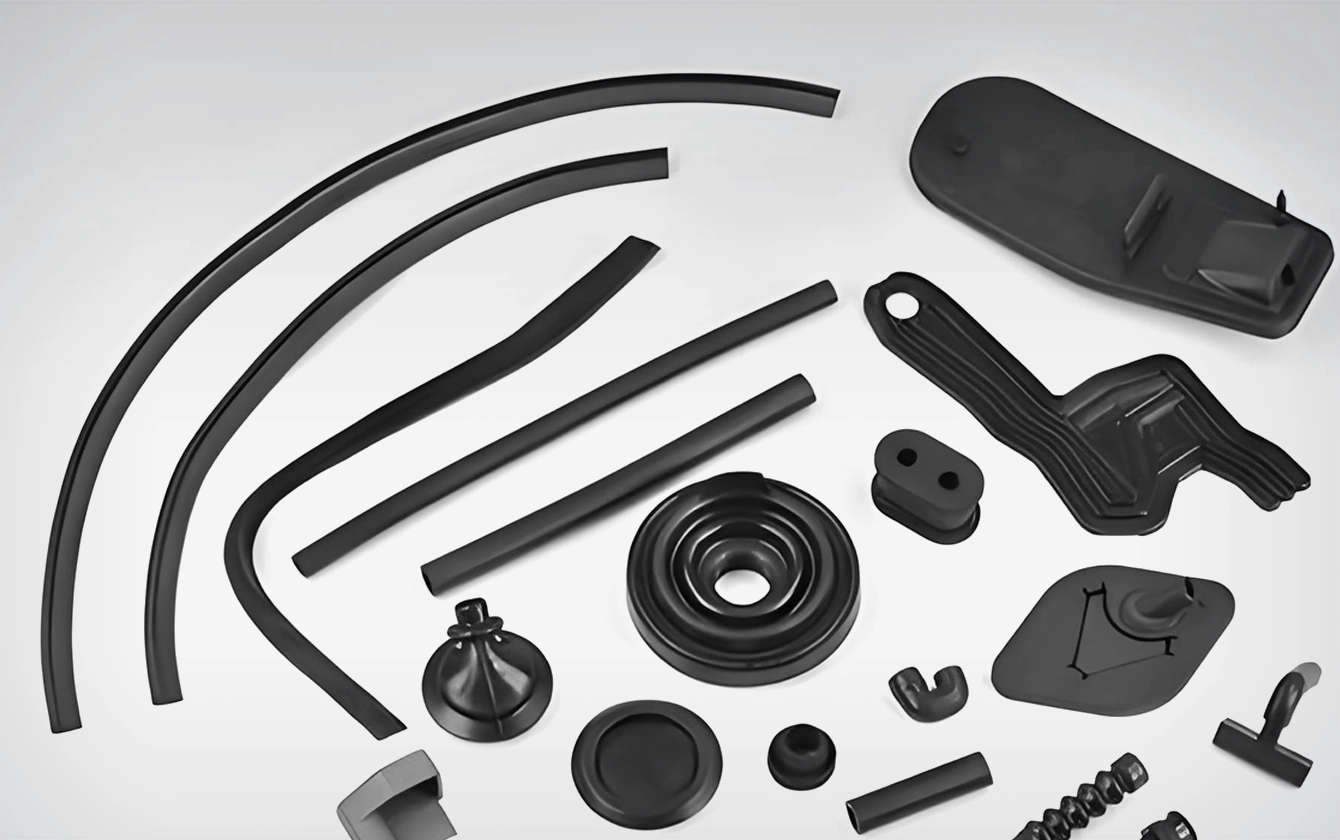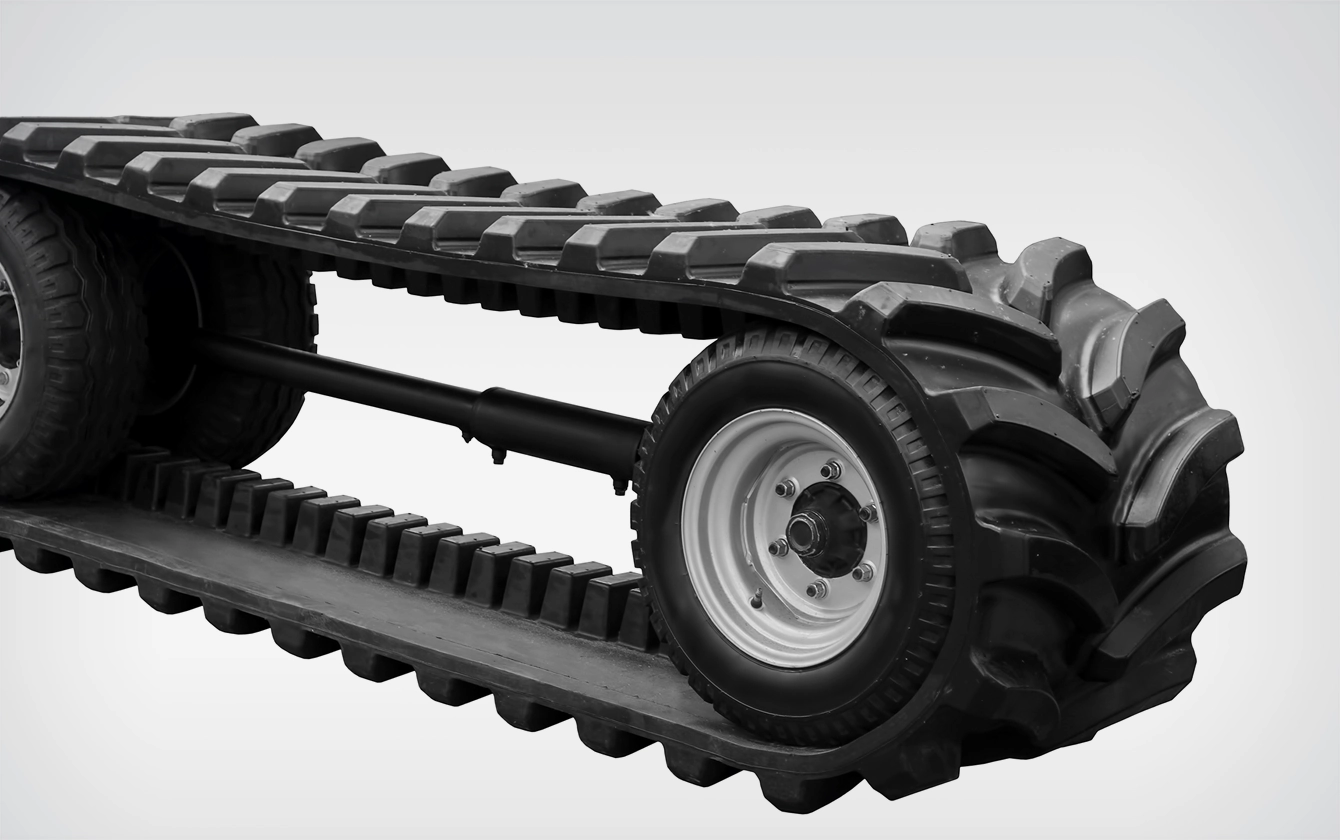
Power-industry rubber products range from cable accessories and switchgear parts to long-rod and hollow-core insulators. Their differences in length, shot volume, mold layout, and compound behavior make one standard digital recipe impossible.
Connecting injection molding rubber equipment to an MES begins with selecting the right machine architecture and defining which process records support quality, traceability, and maintenance.
Match the Machine Platform to the Insulation Part
Technical evaluation will need to cover product geometry, required injection volume, clamping force, mold dimensions, opening stroke, rubber characteristics, curing method, handling, output, and automation target. RA Series equipment is used for silicone rubber and EPDM insulation parts that need large injection capacity, rigid clamping, stable pressure retention, and precise control.
It serves applications including composite insulators, surge arresters, cable accessories, switchgear insulation, and long or hollow products. RT Series machines use a top-opening mold, block-type clamping, hydraulic mold-thickness adjustment, and optimized material processing for long and large HTV silicone components.
RI Series machines provide three-side access, direct hydraulic material feeding, reliable clamping, and optional double-station arrangements. These platforms address different combinations of part and process requirements. Selection evidence must be recorded in an application matrix.
Each proposed product can be checked against shot capacity, injection pressure, clamping force, platen and opening dimensions, material system, mold handling, and automation interfaces. Exceptions need engineering approval rather than an informal assumption that a nearby model will be adequate.
This matrix later becomes useful MES master data for routing work to compatible equipment. An injection molding rubber project must therefore assign MES routes and recipes only after the product-mold-machine relationship has been approved.
Capture Material Preparation and Molding Conditions
Stable feeding, plasticizing, homogenization, and degassing influence the material delivered to a large insulation mold. The production record will need to connect rubber batch and preparation information with recipe version, injection values, switching positions, clamping state, platen temperature, curing time, alarms, and quality results.
Collecting only final pressure or cycle time hides much of the context needed to explain an internal defect or dimensional variation. The quality plan determines the necessary resolution.
Some values may be stored once per cycle, whereas pressure or temperature curves may require sampled trends. The data architecture will need to flag unavailable or stale readings and preserve calibration and recipe revisions.
If an inspection fails, genealogy should identify the related material, machine, mold, and process record without implying that correlation alone proves the root cause. In rubber injection molding for power industry, large platen dimensions and opening strokes enable long parts and substantial molds, but they also affect handling and safety.
Core or insert identification, lifting method, mold position, lock confirmation, and clearance may require digital checks. The automation sequence will need to prevent molding after an incorrect setup and should preserve a clear record of overrides, rejected conditions, and recovery actions.
Separate Machine Control from MES Coordination
Fast loops, interlocks, motion control, pressure retention, and safety belong at machine level. The MES can supply work-order context and receive status, recipe identity, parameter records, genealogy, completion, and quality disposition.
This boundary allows local molding to remain controlled during a network interruption. It also makes system responsibility clearer when a value shown on a dashboard does not match the equipment screen. Tag definitions need units, timestamps, sampling rules, valid ranges, and communication-quality states.
Recipe changes must require authorization and revision records. For injection molding rubber operations, the plant can begin with read-only data collection, compare records against the machine, and then introduce recipe verification or order download.
Cybersecurity, account management, backup, and recovery procedures will need to be established before remote access or write functions are enabled. Our planning at Dekuma organizes rubber injection molding for the power industry around the specific insulation product.
Use Automation to Resolve Identified Constraints
Automation may support material supply, core loading, mold handling, part removal, or inspection, but each device must address a measurable problem. Long or heavy insulation components need controlled support and safe access.
A double-station arrangement may increase utilization in an appropriate process, yet the timing study must include loading, curing, unloading, cleaning, inspection, and fault recovery rather than relying on nominal press cycle time. Commissioning should challenge the sequence as well as confirm normal output.
Teams can test an incorrect core identifier, incomplete mold position, rejected quality check, missing data field, and communication interruption. The agreed response may need to protect equipment and product, tell the operator what action is required, and preserve an event record. Training with realistic exceptions reduces dependence on undocumented workarounds after ramp-up.
Energy planning should also reflect the recipe. Thermal insulation and energy-saving hydraulic configurations can reduce avoidable losses, but results depend on machine size, heating demand, cycle profile, utilization, and baseline. Reporting energy per accepted part or production unit makes comparisons more meaningful.
Maintenance teams can then relate rising consumption to longer cycles, heat loss, hydraulic condition, or unplanned idle time. We configure power-industry solutions around the material, product, mold, and production target and can support automation, monitoring, training, and technical service.
In our work at Dekuma, connectivity is not a substitute for process engineering. A successful system starts with a suitable platform, produces trustworthy machine data, links that data to product context, and gives operators and engineers defined actions when the process moves outside its approved conditions.