Machine controls coordinate recipes, movements, pressure, temperature, timing, alarms, and operator interaction. Their value lies in repeatable production and diagnosable behavior, not in the screen brand alone. Buyers need to examine control scope, validation, access, and support when a B&R platform is used with an HTV silicone insulator injection machine or other demanding equipment.
What Does the Control Platform Manage?
On the RT Series, an Austrian B&R platform with a 10.4-inch TFT color touch screen is used to set, store, adjust, and monitor critical molding parameters. The control architecture supports injection and clamping functions and preserves repeatable machine data for production supervision.
Recipe storage can reduce setup variation, but only when access, approval, revision, and download rules are defined. We recommend matching screen design to operator tasks. Normal production should show the active order, mold, recipe, machine state, important process values, and required action without forcing operators through unnecessary pages.
Maintenance and engineering views can provide deeper diagnostics under controlled permissions. Clear units, limits, messages, and language reduce interpretation errors during shift changes or abnormal recovery. The B&R control system will need to be assessed through the machine sequence it governs.
Safety interlocks, top-opening mold movement, automatic locking at the opening limit, hydraulic mold-height adjustment, material preparation, injection, pressure retention, curing, and alarms need clear states and transitions. Time-critical control and safety must remain local even if production orders or records connect to a plant network.
Which RT Machine Requirements Shape the Controls?
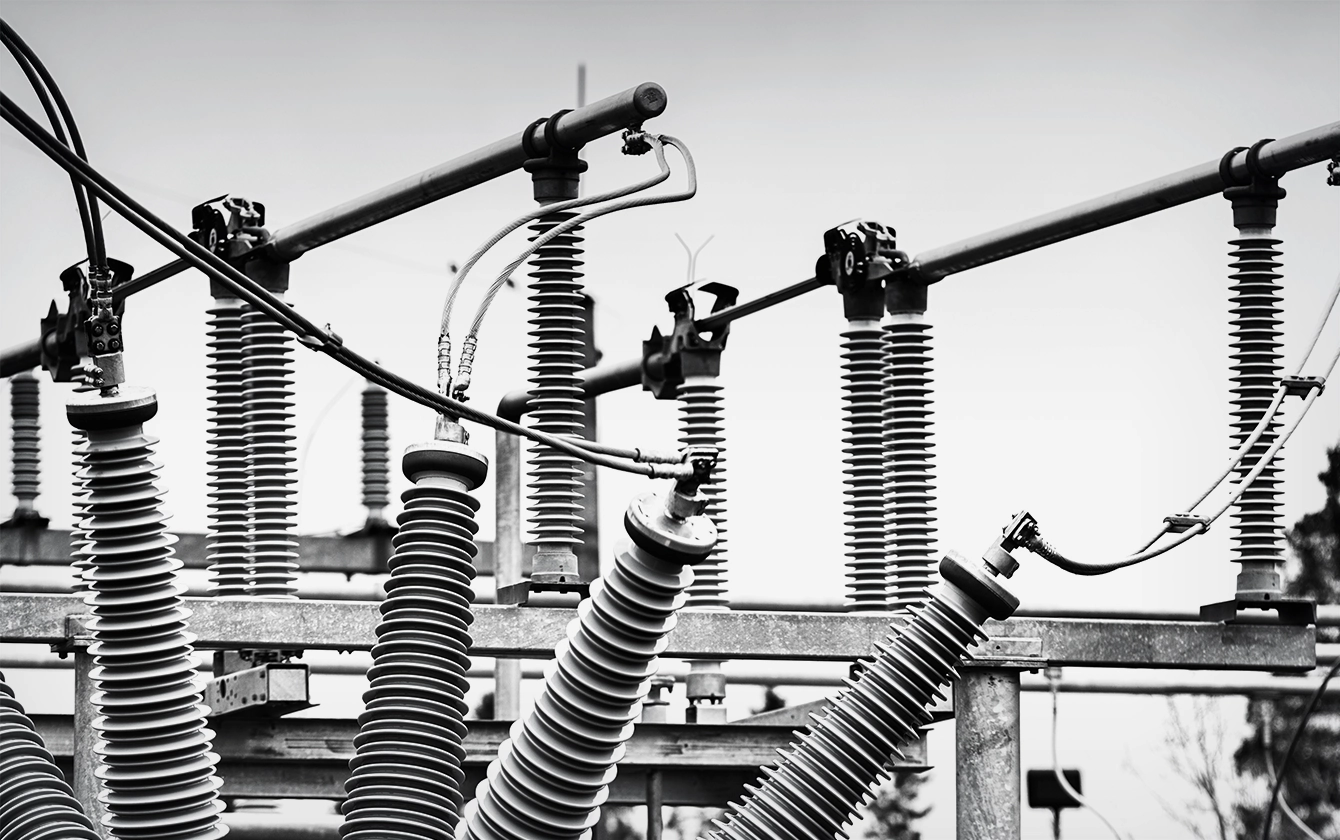
The RT Series is designed for solid silicone and HTV products such as long-rod insulators, hollow-core bushings, surge arresters, cable accessories, and switchgear components. Across the published RT560, RT1100A, RT1200B, and RT1500 configurations, the listed injection pressure is 1,200 bar. For published RT configurations, clamping capacity covers 5,600 to 15,000 kN, paired with injection volumes from about 13,000 cc to 40,000/50,000 cc.
Listed opening strokes extend from 700 to as much as 1,600 mm, and large heating plates accommodate long and hollow insulation molds. System pressure is listed at 210 bar; machine weight and hydraulic, heating, and total power vary by model.
An HTV silicone insulators injection machine needs controls and operator screens that present these large-mold states clearly and prevent injection or access when position and locking conditions are not satisfied.
What Affects Control-System Scope and Cost?
Cost depends on the required inputs and outputs, motion and process functions, screen design, recipe capacity, sensors, drives, data interfaces, user management, alarms, remote support, documentation, and software validation. Automation devices, identification equipment, energy meters, and MES connectivity expand the interface.
The technical agreement may need to distinguish included licenses and hardware from optional functions and define who owns each signal and data field. The same scope will need to state the required documentation, software backup, test evidence, and support period.
Customization should remain maintainable. Tag naming, units, valid ranges, sampling rules, alarm priorities, and message text need consistent conventions. The project needs to document software versions, backups, source or service access, passwords, change authorization, and recovery procedures.
A feature that cannot be diagnosed or restored by the agreed support organization may create more lifecycle risk than production value. Our project review also separates essential control from reporting convenience. Pressure or position regulation belongs in the local controller, while production history can be transferred upward.
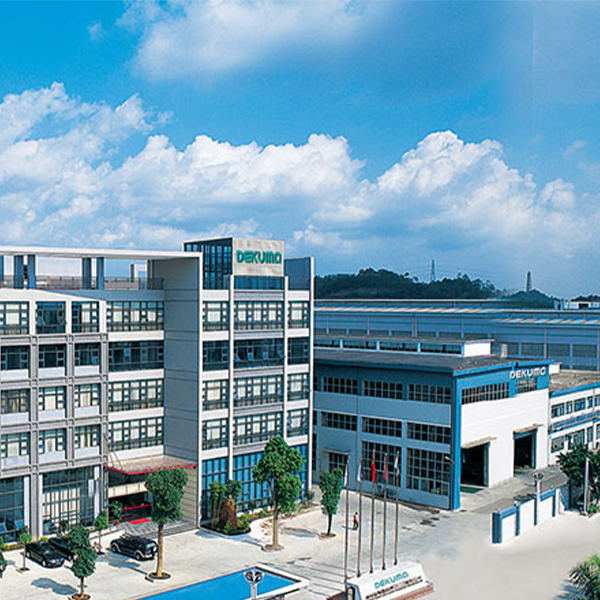
Data sampling may need to follow its purpose, and communication quality must be visible. When a value is stale, missing, or manually entered, the receiving system cannot present it as an ordinary live measurement. Our work at Dekuma uses a customized B&R control system across several rubber molding platforms.
Which Evidence Should Validate the Controls and Support Plan?
Acceptance testing must cover normal cycles and selected abnormal states. Teams can verify recipe selection, permissions, pressure and temperature values, mold position, locking, alarms, trend records, network loss, power recovery, and safe manual modes.
Representative molding connects the displayed variables with actual product results. The test plan should specify expected messages, safe states, recovery actions, and retained records. Testing must use a requirements trace so each safety, process, recipe, interface, alarm, and user-management function has an expected result.
Open items need an owner and completion date. After a software correction, the affected function and its dependencies will need to be retested without restarting unrelated validation. This creates an auditable basis for release and future modifications.
Cybersecurity and connectivity require defined responsibilities. Remote access may need to be authorized, limited, logged, and disabled when unnecessary. Plant systems cannot replace local safety or fast regulation.
If communication fails, the machine should remain controlled, while missing or delayed production records are flagged for reconciliation rather than silently treated as complete. We combine control engineering with machine configuration, installation, operator and maintenance training, software backup guidance, and technical support.
Its real contribution is to coordinate those physical functions consistently and expose clear information for operation and diagnosis. Planned scope, validation, access, and support make the control system a durable part of production reliability.
Our support documentation may need to identify versions, backup locations, service contacts, and authorized change procedures so the factory can describe and recover a fault efficiently. In our work at Dekuma, we do not present the B&R control system as a substitute for suitable material, mold, or machine capacity.