Long curing cycles and heavy parts make coordination among material, reinforcement, molds, handling, and inspection essential in rubber-track equipment. The appropriate configuration differs with the vehicle, track dimensions, production volume, and factory workflow. Cost, capacity, automation, and support offer four practical dimensions for evaluating rubber track solutions.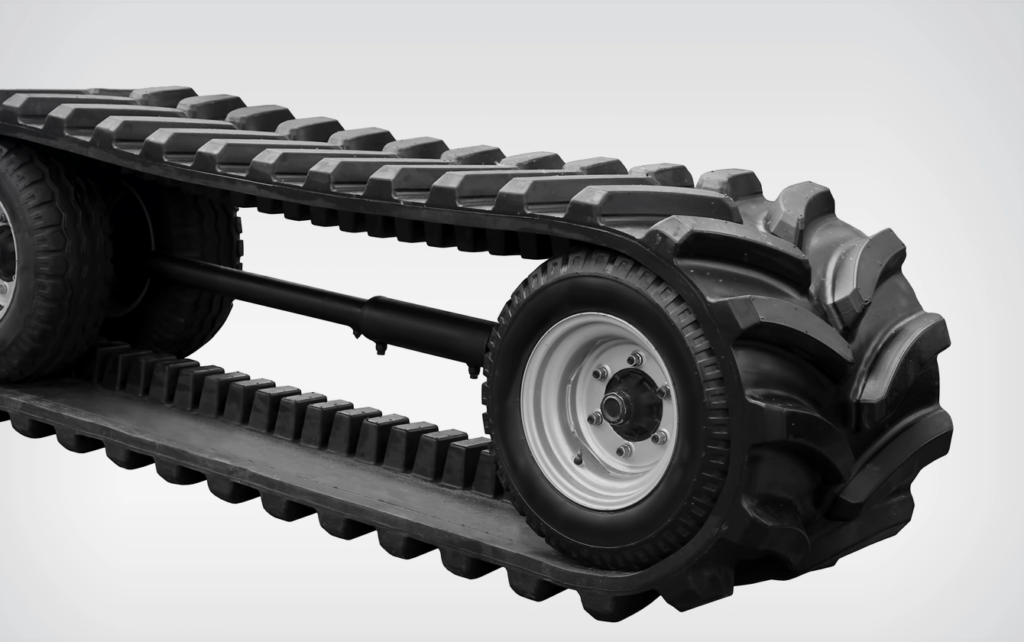
Which Application Data Should Be Provided First?
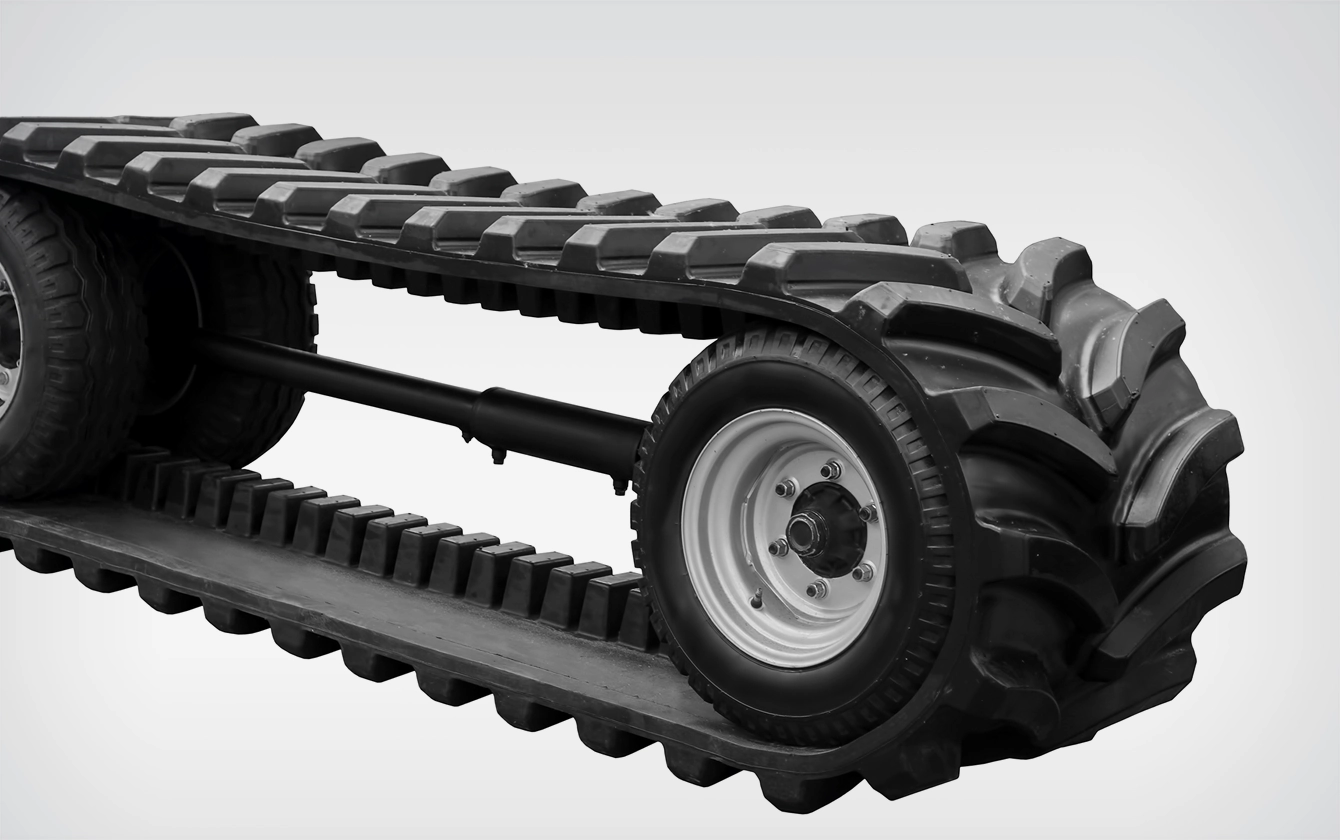
Track drawings may need to define width, usable length, tread and guide geometry, weight, reinforcement arrangement, target properties, and tolerances. Natural rubber is a principal material for these products, but the exact formulation, preform method, cord system, and cure behavior require validation.
Production volume, product mix, shift pattern, inspection method, and available utilities also influence the proposed line. Reinforcement and compound controls must identify batch, storage, preparation, dimensions, splice or continuity requirements, and release status. The mold record may need to include cavity condition, heating arrangement, venting, and approved product range.
If these inputs change without documentation, operators may compensate through pressure or cure adjustments and move a stable recipe away from its validated window. Different equipment sizes allow mold dimensions, track range, and clamping capacity to be matched.
A project needs to consider opening and handling space, heating-plate size, foundation, floor loading, lifting, guarding, storage, and material flow. Rubber tracks solutions have a more reliable technical basis when this application file is approved before automation or output claims are fixed.
What Automation Is Practical for Track Production?
Our related production line can integrate feeding, vulcanizing, handling, take-out, demolding, and process control. Automation reduces heavy manual activity around large, hot components and can improve sequence consistency. It must nevertheless address an identified safety, quality, or capacity constraint.
Each transfer needs permissions, completion signals, timeouts, fault codes, guarding, and an authorized recovery path. Long curing time changes the automation calculation. Loading equipment may wait during vulcanization, or several molds and stations may be needed to balance the route.
A timing study must include material and reinforcement preparation, loading, confirmation, curing, unloading, demolding, cleaning, inspection, and recovery. The highest-speed device does not determine output when another operation remains the constraint. Safety design must cover normal work, setup, cleaning, and maintenance.
Heavy molds and hot tracks require controlled support, guarding, interlocks, lifting points, and safe access. The sequence needs to respond predictably to incomplete loading, failed sensors, interrupted take-out, utility loss, or an emergency stop.
Recovery instructions need to preserve both personnel safety and the status of material inside the mold. Our rubber track solutions cover agricultural, construction, military-vehicle, and snowmobile applications at Dekuma.
Which Factors Shape Capital and Lifecycle Cost?
Before quotations are compared, the project boundary needs to separate core equipment from reinforcement handling, automation, site utilities, validation, training, and spare-parts responsibilities. Quotations need clear standard features, selected options, exclusions, and customer duties.
Factory work for foundations, power, cooling, lifting, access, or networks may need to be included in the investment plan. Operating cost includes rubber and reinforcement loss, labor, energy, curing time, changeovers, maintenance, downtime, and yield.
Comparisons should use accepted track output and a representative product mix. Energy-saving during curing and automated handling can improve economics, but the result depends on machine size, cycle, staffing, utilization, and the baseline.
No percentage should be treated as universal without those conditions. A lifecycle calculation can compare accepted track weight with incoming rubber and reinforcement, trim, startup loss, and rejected output. It should also state energy price, staffing, utilization, planned maintenance, and the evaluation period.
This common basis helps procurement teams distinguish genuine process savings from differences in product mix, accounting, or excluded factory work. Sensitivity testing can show how the preferred scope changes when volume, labor availability, or compound price moves.
How Are Control, Acceptance, and Support Evaluated?
B&R-based controls can manage recipes and operating parameters, while the iSee intelligent platform can support monitoring and traceability. Data should retain product, material, mold, recipe, pressure, temperature, time, machine state, alarms, and quality context.
Tags, units, timestamps, access rights, and communication-loss behavior need definition so an old value cannot appear current. Acceptance may need to use representative material, reinforcement, mold, and handling. The parties can verify process stability, automatic sequences, safety, alarms, data records, demolding, inspection, and selected faults.
Installation guidance, operator training, and technical assistance help transfer the validated route into daily production. Maintenance plans must cover hydraulics, heating, sensors, tensioning, handling, molds, lubrication, and software backups. After commissioning, baseline records may need to preserve recipe values, cycle states, pressure retention, temperature, energy, alarm frequency, and inspection results.
Maintenance teams can then investigate gradual movement before it becomes a major interruption. Any component or software change should be documented, and affected functions should be retested without reopening unrelated acceptance work. Operators need instruction on material and reinforcement confirmation, recipe selection, inspection, alarms, and safe recovery.
Maintenance personnel need diagnostic methods and lifting procedures, while engineers need authority rules for trials and parameter revisions. We have supported track manufacturers in China and overseas across agricultural, construction, and other vehicle markets.
Our engineers configure rubber track solutions according to track type, volume, automation target, and factory conditions at Dekuma. For rubber track solutions, an effective production program connects suitable equipment with controlled vulcanization, safe handling, measurable acceptance, and long-term maintenance instead of treating automation level as the only sign of capability.