Silicone rubber injection for electrical insulation requires stable material preparation, accurate shot control, strong clamping, thermal management, and safe access to substantial molds. These requirements influence both equipment scope and operating economics. The main applications and qualification steps provide a practical route for assessing a silicone rubber injection molding process.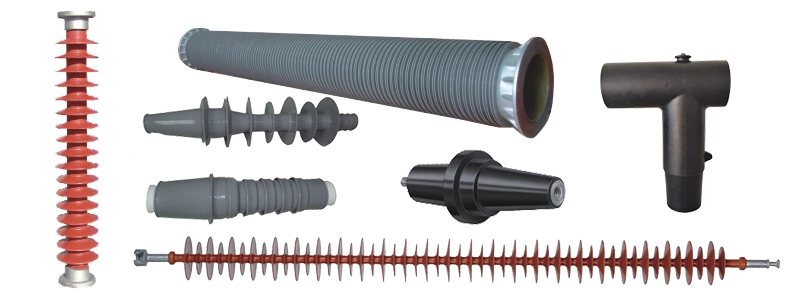
Which Products and Materials Does the Process Serve?
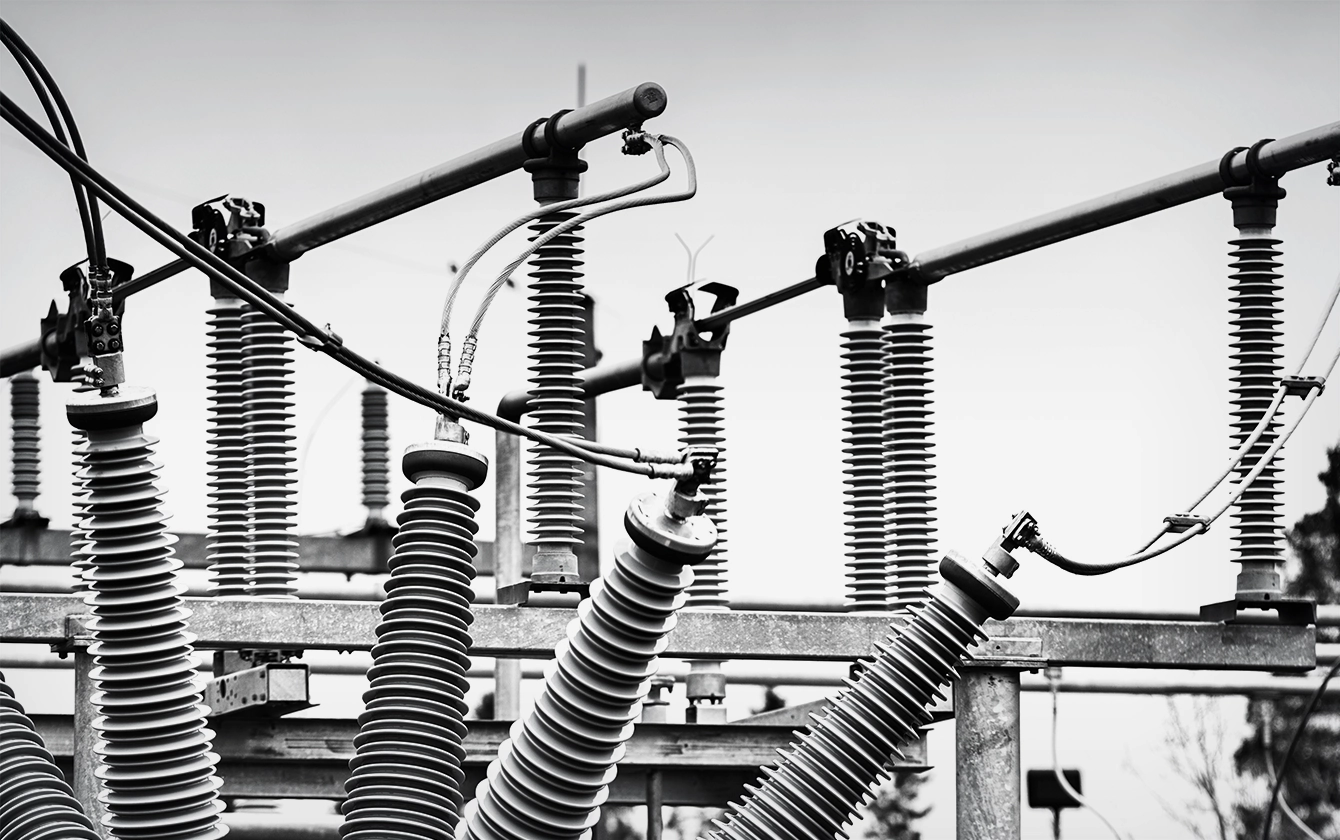
Power-industry applications include long-rod and hollow-core insulators, surge arresters, cable accessories, and switchgear components. These applications can use silicone rubber or EPDM when the selected configuration matches the material and product.
Product length, wall or shed geometry, core or insert arrangement, shot weight, mold layout, and performance criteria will need to be defined before a model is proposed. Silicone formulation affects viscosity, feeding, degassing, injection response, thermal stability, and curing.
Material batch, storage, preparation, and contamination controls belong in the production plan. Settings from another grade or part must not be copied without validation. The silicone rubber injection molding process must connect compound behavior with runner, venting, temperature zones, pressure stages, switching points, and cure time.
Which Machine Values Require Technical Matching?
Published RA configurations generally list injection pressures of about 1,120 to 1,480 bar, depending on model. Injection volumes extend from several thousand cubic centimeters to 50,000 x 2 cc, while clamping force reaches 24,000 kN.
Mold-opening stroke, plate spacing, platen dimensions, hydraulic power, and installed power vary across rod- and hollow-insulator versions. These figures describe a range, not a common specification for every machine. Our enhanced screw design supports stable feeding, homogenization, and removal of trapped air before injection.
Non-contact linear transducers provide closed-loop measurement of clamping and injection strokes with a stated theoretical precision of 0.05%. A silicone rubber injection molding machine still needs application trials because sensor precision alone does not prove shot accuracy or finished-product quality.
Mold condition, calibration, compound consistency, and the validated process window remain essential. Mold engineering has an equal influence on results. Runner dimensions, cavity balance, venting, heating-zone layout, core support, sealing surfaces, and demolding must suit the product.
Measurements may need to be reviewed by cavity or product position where relevant because an overall average can conceal a local filling or temperature problem. Increasing pressure is not a reliable remedy for an unsuitable mold condition.
How Do Capital and Operating Costs Develop?
The project boundary may include the machine, mold, core or insert handling, material feeding, automation, safety, utility preparation, testing, installation, training, and spare parts. Large injection volume and clamping capacity affect machine size, weight, power, and factory requirements.
Buyers need to distinguish base equipment from options and identify responsibility for every interface before comparing quotations. Operating economics include silicone use, runner and flash loss, energy, cure time, labor, changeovers, maintenance, downtime, and yield.
Double-layer thermal-insulation plates are designed to reduce heat loss under high-temperature, high-pressure conditions, with a stated energy reduction of about 40%. Actual savings depend on utilization, recipe, ambient conditions, and the baseline, so energy must be compared per acceptable part or production unit.
Yield analysis may need to separate startup pieces, runner and flash loss, molding defects, handling damage, and inspection rejects. Each category points to a different corrective action.
Labor should likewise include material preparation, core or insert work, loading, removal, inspection, changeover, and recordkeeping rather than only the operator standing at the press. A representative production period gives a more reliable cost basis than a short optimized demonstration.
The calculation needs to state material price, energy rate, staffing pattern, utilization, maintenance allowance, and evaluation period so later comparisons retain the original assumptions. Our engineers configure each silicone rubber injection molding machine for the product, compound, mold, and output target at Dekuma.
How can buyers assess control, testing, and support?
The Austrian B&R system uses a 10.4-inch TFT screen for setting, storing, adjusting, and monitoring important molding parameters. Recipe access and revisions need authorization. A trial needs to define the material, mold, stabilization time, samples, measurements, tolerances, process limits, and treatment of interrupted cycles.
Screen values, sensor readings, and product results will need to be reviewed together rather than treating a stored recipe as automatic proof of conformity. Commissioning should also test alarms, mold positions, safety interlocks, incorrect recipe selection, material or insert mismatch, and recovery after a stop.
Hydraulic pressure delivery, heating, injection and clamping strokes, and repeatability must be checked under representative conditions. Maintenance planning needs to cover barrel condition, hydraulics, sensors, heating, lubrication, calibration, molds, software backups, and wear components.
Training will need to separate operator, maintenance, and process-engineering duties. Operators need recipe selection, material confirmation, quality checks, and safe recovery. Maintenance staff need diagnostic and inspection methods. Engineers need change authorization, trial documentation, and limits for temporary adjustments.
This role-based approach helps prevent a troubleshooting setting from becoming an undocumented production standard. We can match custom insulation-machine requirements to geometry, material, mold, and production needs and provide installation, training, spare-parts assistance, and technical support.
Our production approach at Dekuma treats the silicone rubber injection molding process as a coordinated system. Documenting machine capacity, material preparation, tooling, validation, and maintenance together allows cost to be evaluated against stable output instead of headline specifications.