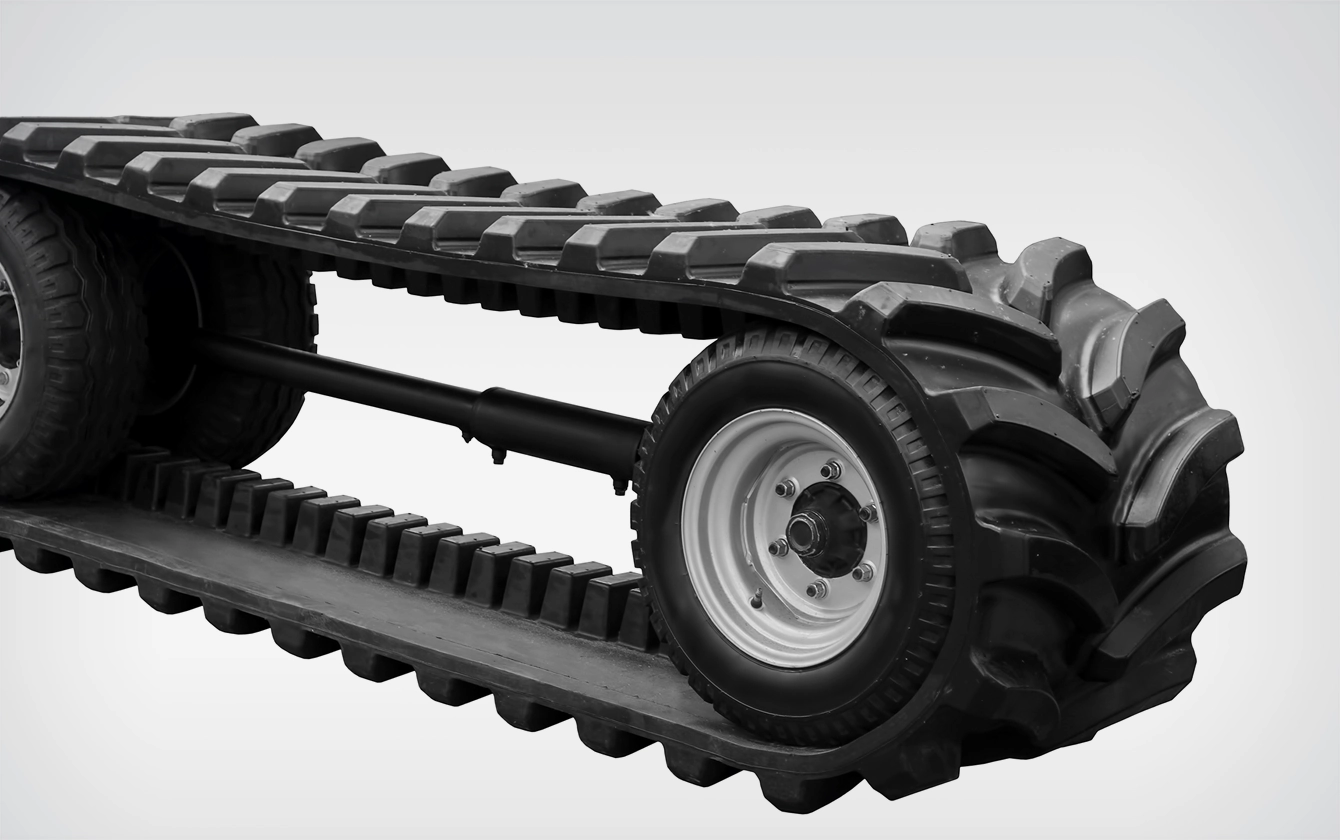
Large material volumes, reinforcement placement, heavy molds, long cures, demanding handling, and substantial energy use define the operating constraints of rubber-track production. In later implementations, development must address these physical conditions rather than simply add dashboards. That foundation indicates where rubber track equipment can become smarter and less wasteful.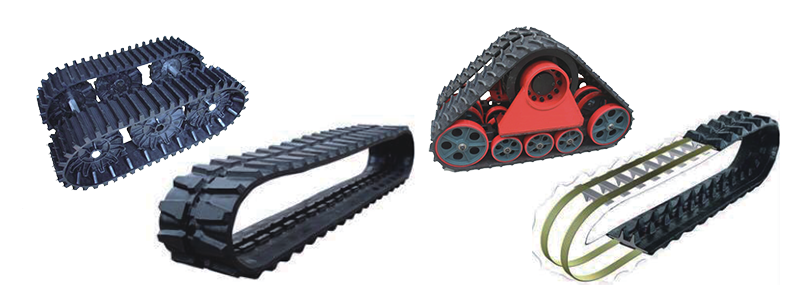
Using Track Data to Guide Process Decisions
The production record has to distinguish track families because agricultural loads, construction duty, military use, and snow conditions place different demands on geometry, reinforcement, mass, and curing. Looking ahead, production records can link each track to its compound and cord batches, mold, recipe revision, machine configuration, quality plan, and accepted result.
This context will help engineers compare equivalent cycles instead of treating variation caused by product mix as a machine problem. The customized B&R platform already manages operation, temperature, response, and multiple recipes, while iSee4.0 can monitor energy, temperature, pressure, clamping force, time, status, and maintenance information.
Future rubber track equipment may turn these records into clearer exception priorities. Any recommendation may need to remain inside validated limits, show the supporting data, and preserve human approval for changes affecting product quality. Reinforcement evidence will become especially important.
Cord batch, measured tension, placement, mold identity, and track dimensions can be recorded with the curing cycle. In later implementations, sensing may help detect a developing placement or tension issue before a completed track reaches final inspection. The measurement method and calibration must suit the production environment, and the system may need to state when a signal is unavailable rather than infer a normal condition.
Separate Material and Energy Losses
Track production can lose rubber, reinforcement, energy, and time through startup, preparation errors, loading faults, incorrect tension, curing deviation, handling damage, rejected tracks, and extended waiting. A single scrap or electricity total does not identify which action is useful.
Over time, reporting must connect loss categories with product, recipe, operating state, and cause so teams can choose between material, mold, control, handling, or maintenance improvements. Our intelligent curing-shutdown function retains pressure while stopping the main motor during long vulcanizing cycles.
This reduces unnecessary power demand while maintaining curing conditions. The next step is to compare energy per acceptable track by size and recipe, separating warming, loading, curing, waiting, fault, and maintenance states.
A rubber track vulcanizing machine must be judged on complete production efficiency, not one low-demand interval. Sustainability reporting will also need a defined boundary. A reduction at the main motor will need to be reported separately from mold heating, handling devices, air, cooling, startup, and rejected output.
Material saved through better control should be weighed against reinforcement loss and scrap. Clear boundaries allow customers to compare projects without turning a local improvement into an unsupported whole-factory claim.
Recoverable Modules for Heavy Handling
Automatic rubber loading, material retrieval, take-out, and demolding can reduce labor requirements by up to 50% compared with traditional machines under an appropriate production arrangement. Actual results depend on product mix, cell balance, staffing, and included tasks.
In later implementations, automation should make its limits visible and provide safe recovery from incomplete loading, failed transfers, sensor loss, utility interruption, or a stopped track inside the mold.
A precision clamping unit and constant-tension steel-cord system support seamless, load-bearing tracks, while the one-piece structure avoids conventional joints. Next-generation sensing may provide more evidence about reinforcement position and tension, but it must be calibrated and maintainable.
Extra sensors are valuable only when they produce an actionable check and do not create excessive downtime or false alarms in a harsh production environment. Modular expansion can be planned through documented mechanical, utility, safety, and signal interfaces.
A factory may begin with assisted loading and later add automatic retrieval or inspection when volume justifies it. Each stage still requires risk assessment and acceptance because a new device changes guarding, timing, recovery, maintenance access, and sometimes the production record.
Provision for expansion is not the same as a validated future installation. Our rubber track vulcanizing machine line already combines controlled curing, automated handling, recipe management, and operating data at Dekuma.
One Digital Baseline for Capacity and Maintenance
Published DKM-RC200 through DKM-RC900 models provide 200 to 900 tons of clamping force, with 210 bar system pressure across the listed range. Heating-plate size, track width, and usable length vary.
A digital application matrix can map each track and mold to compatible capacity, preventing scheduling systems from assigning work to a configuration that lacks the required dimensions or force. Maintenance planning can use trends in hydraulic response, pressure retention, heating, energy, cycle time, tensioning, handling faults, and alarms.
These signals need stable units, timestamps, calibration status, and recipe context. Operators and maintenance staff will need different views of the same evidence. Operators benefit from clear state, cause, and recovery guidance. Maintenance teams need component trends, service history, and test points.
Engineers need recipe and quality relationships. Role-based training and permissions can reduce information overload while preserving accountability for changes. We provide installation guidance, training, customized configurations, and technical support, but the factory must preserve inspections, backups, revisions, and accurate service history.
Our direction at Dekuma combines product-specific data, precise loss accounting, safe modular automation, and condition-based evidence for future rubber track equipment. Smarter control must make decisions easier to explain and verify. Digital functions create useful savings only when their decisions remain traceable to material, reinforcement, mold, and curing conditions.