The next stage of rubber molding will be shaped less by one dramatic invention than by tighter coordination among material, machine, mold, automation, data, and maintenance. The future rubber molding machine will need to reduce variation and waste while remaining understandable, serviceable, and adaptable to different industrial products.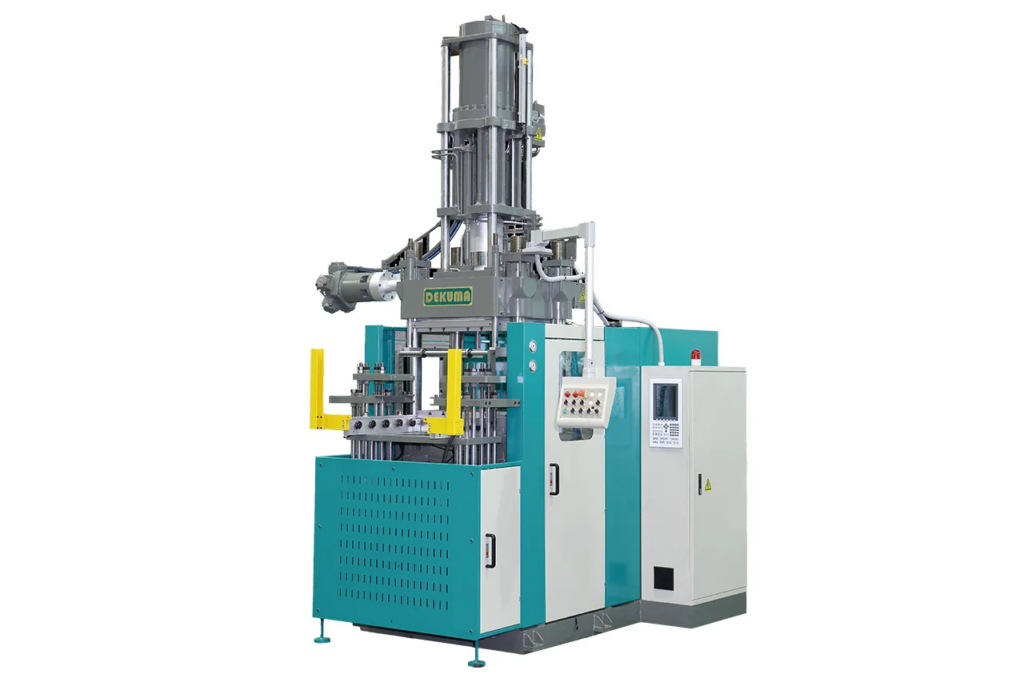
Context-Aware Process Control
Pressure, speed, temperature, position, and time are already controlled variables, but their meaning depends on the product, compound, mold, and cycle stage. Looking ahead, systems are likely to connect each signal with recipe revision, material batch, tooling identity, and quality result.
This context can help engineers distinguish a real process change from a product-mix difference or an unavailable sensor rather than responding to every deviation in the same way. Smarter control must not mean uncontrolled automatic adjustment. Approved operating windows, access levels, change records, and human review remain important.
A rubber molding machine may recommend investigation or show relationships among trends, but changes that affect product acceptance need validation. The most useful development will be clearer evidence for decisions, not a black-box score that operators cannot explain or safely override.
Data governance will become part of machine engineering. Tag names, units, sampling intervals, timestamps, recipe revisions, calibration status, and communication-quality flags must remain consistent. Plants will also need retention, access, cybersecurity, and backup rules.
A sophisticated model trained on mixed or stale records may produce confident but misleading advice, so data quality must be visible to the people using the result. Our view at Dekuma is that current rubber injection molding machine functions provide a practical foundation for that progress.
Measuring waste beyond runner material
Material-saving functions, precise dosing, and controlled injection can reduce overfill, flash, short shots, and cured waste. Cold-runner technology is relevant to suitable sealing applications, while FIFO material flow can limit residence time. Future measurement will need to separate startup, purge, runner, flash, rejected parts, and handling damage.
Each loss category has a different cause, so one overall scrap percentage provides limited guidance. Energy and capacity must be measured per acceptable output. Servo-hydraulic operation can match pump output to actual pressure and flow demand on applicable equipment.
Heating loss, idle time, curing, auxiliary devices, and cooling also matter. A rubber injection molding machine that uses less power during one motion may not lower lifecycle consumption if it produces more scrap or spends longer waiting for an unbalanced manual operation.
Waste prevention will increasingly connect design and production. Shot calculations, cavity balance, venting, runner layout, mold temperature, and part removal can be reviewed before a recipe is optimized.
During operation, loss will need to be reported by cause and product. This allows teams to decide whether the next improvement belongs in material preparation, tooling, control, handling, maintenance, or production planning.
Modular Automation for Changing Production
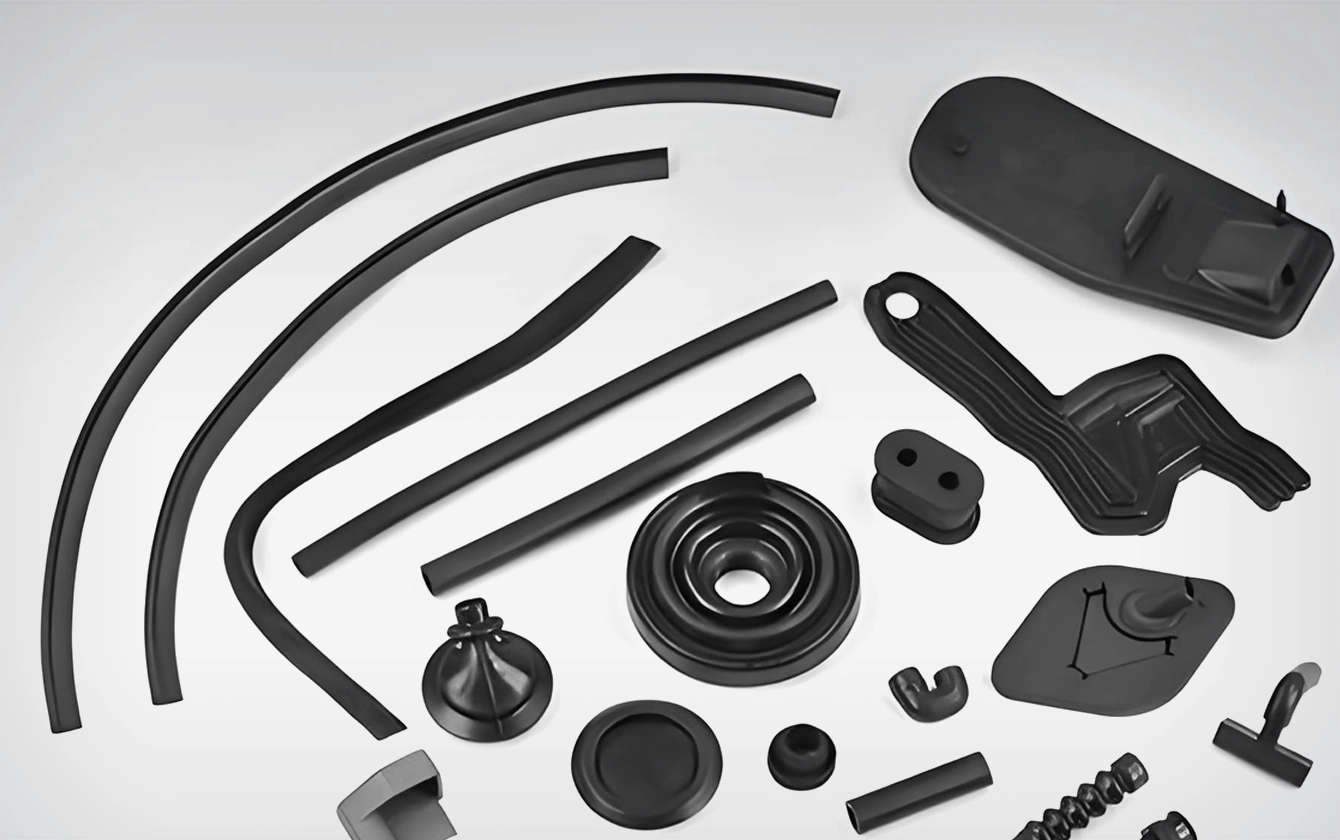
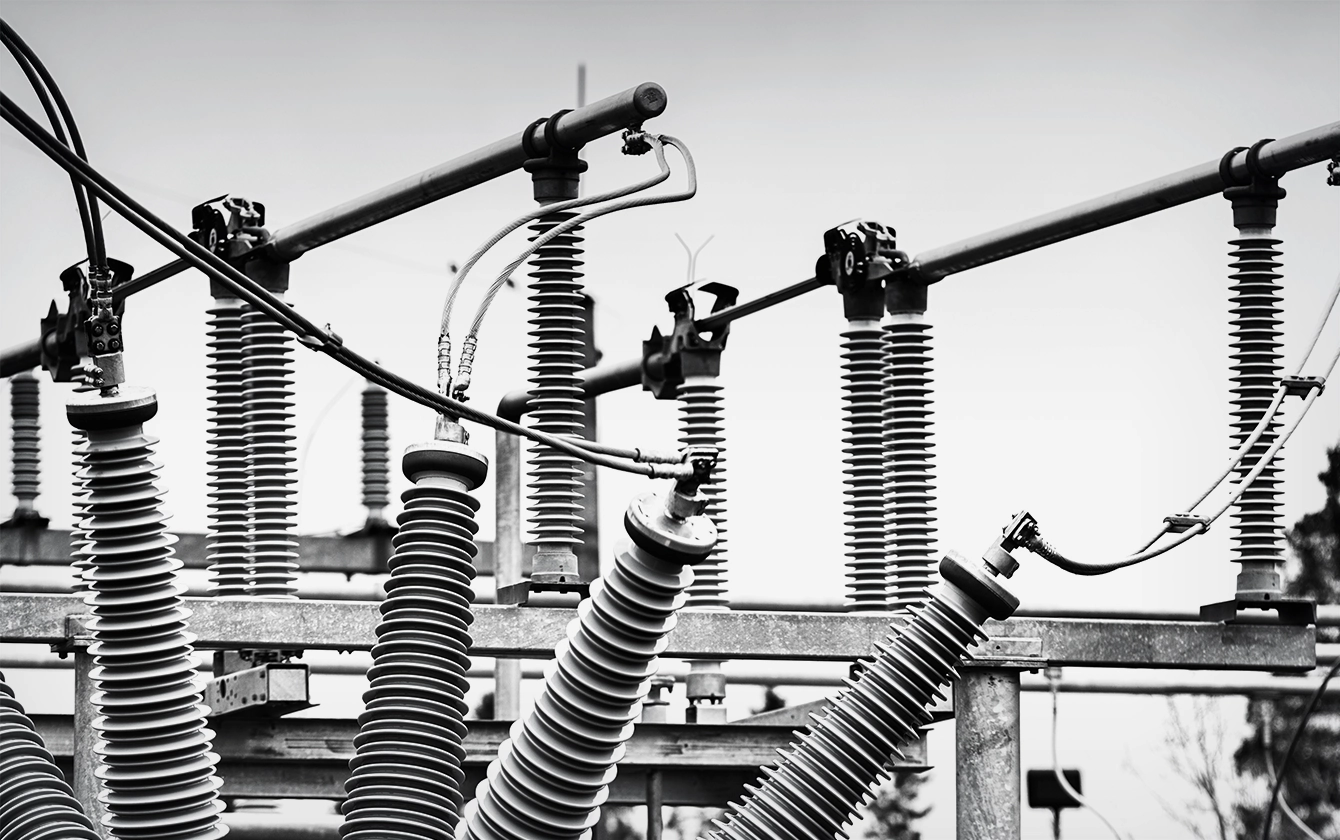
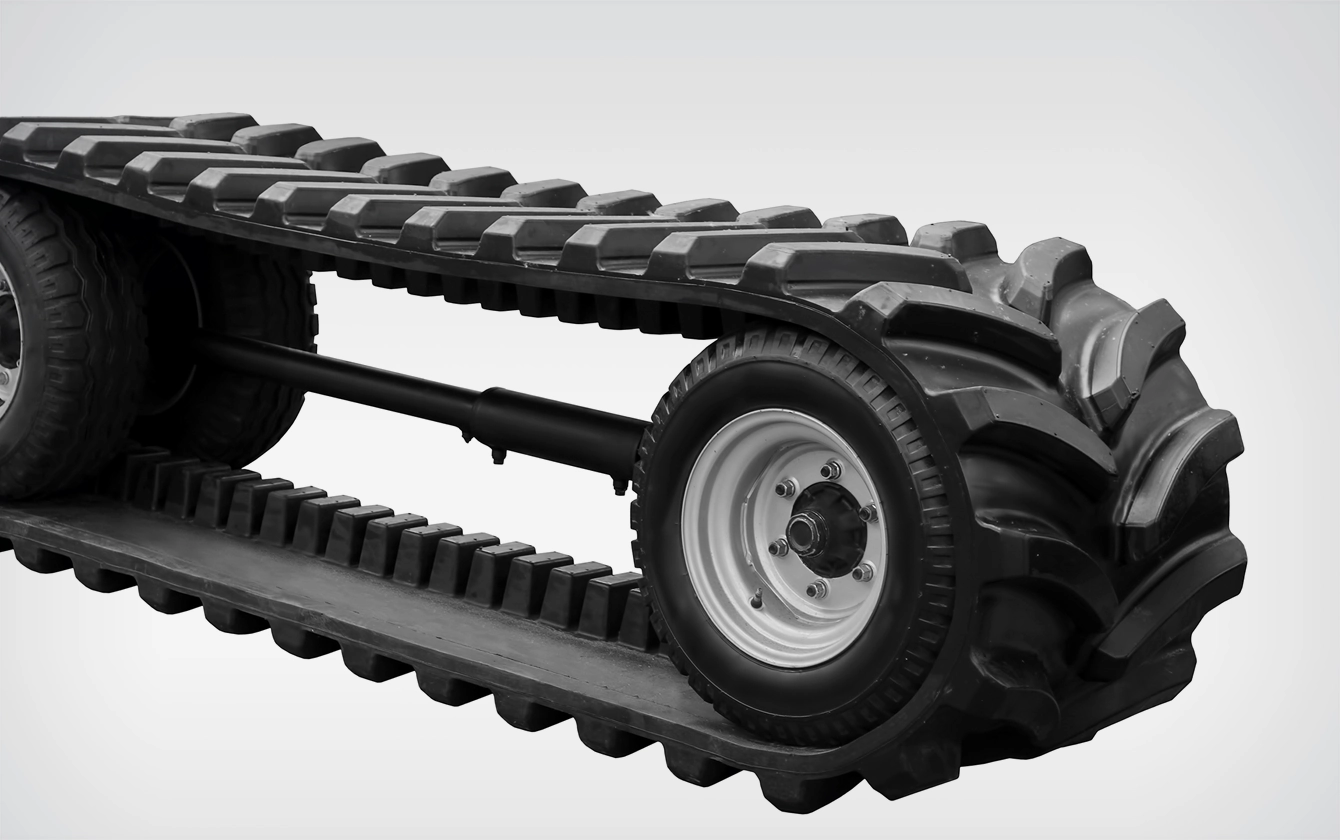
Our RA, RV, RV-Se, RC, RT, RI, RH, and dedicated systems address power insulation, automotive rubber, glass encapsulation, sealing rings, rubber tracks, liquid silicone, and other applications. This portfolio shows why future automation cannot use one fixed layout.
Insert placement, track handling, glass support, seal removal, and long-insulator molding create different safety, access, and recovery requirements. Modular interfaces, adjustable handling, stored recipes, and verified tooling identities can help factories adapt cells without rebuilding the complete control architecture.
The design must still include guarding, interlocks, safe manual modes, and recovery from missing material, failed transfers, sensor loss, or network interruption. Flexible automation is valuable only when changeover and maintenance remain practical.
Workforce design will develop with the equipment. Operators will need clearer guidance for exceptions rather than more screens, while maintenance teams will need access to trends, backups, and component history.
Process engineers will remain responsible for approval of product-affecting changes. Training scenarios can use real alarms and recovery cases so smart functions reduce dependence on informal knowledge without removing human accountability.
Linking Maintenance Evidence with Quality
Periodic checks of heating, transmission, and hydraulic systems, plus cleaning, lubrication, calibration, and wear-part replacement, remain necessary. Next-generation maintenance planning can use pressure response, temperature stability, leakage, noise, energy, cycle time, and alarm trends to prioritize inspections.
These signals must be compared with an acceptance baseline and operating context rather than treated as proof of failure by themselves. Service systems will also need controlled software backups, component history, remote-access rules, and clear escalation.
We provide spare-parts service, tailored training, 24/7 support, and proactive feedback. Those services become more effective when factories preserve machine data and accurate fault descriptions. Smarter equipment cannot compensate for missing documentation or unauthorized changes.
Looking ahead, purchasing decisions may therefore include software support periods, data export, backup ownership, remote-access controls, and migration plans alongside mechanical capacity. Open, documented interfaces can reduce dependence on one reporting layer, but they still require version testing.
Development may need to build on verified control, modular engineering, and maintainable data rather than add features without an operating purpose. Digital tools tied to the physical process can lower waste while keeping reliability visible and verifiable.
The machine needs to remain safe and controllable locally when a higher-level system is unavailable. For Dekuma, our assessment of the future rubber molding machine begins with accepted output, material and energy efficiency, safe adaptability, and diagnosable operation.