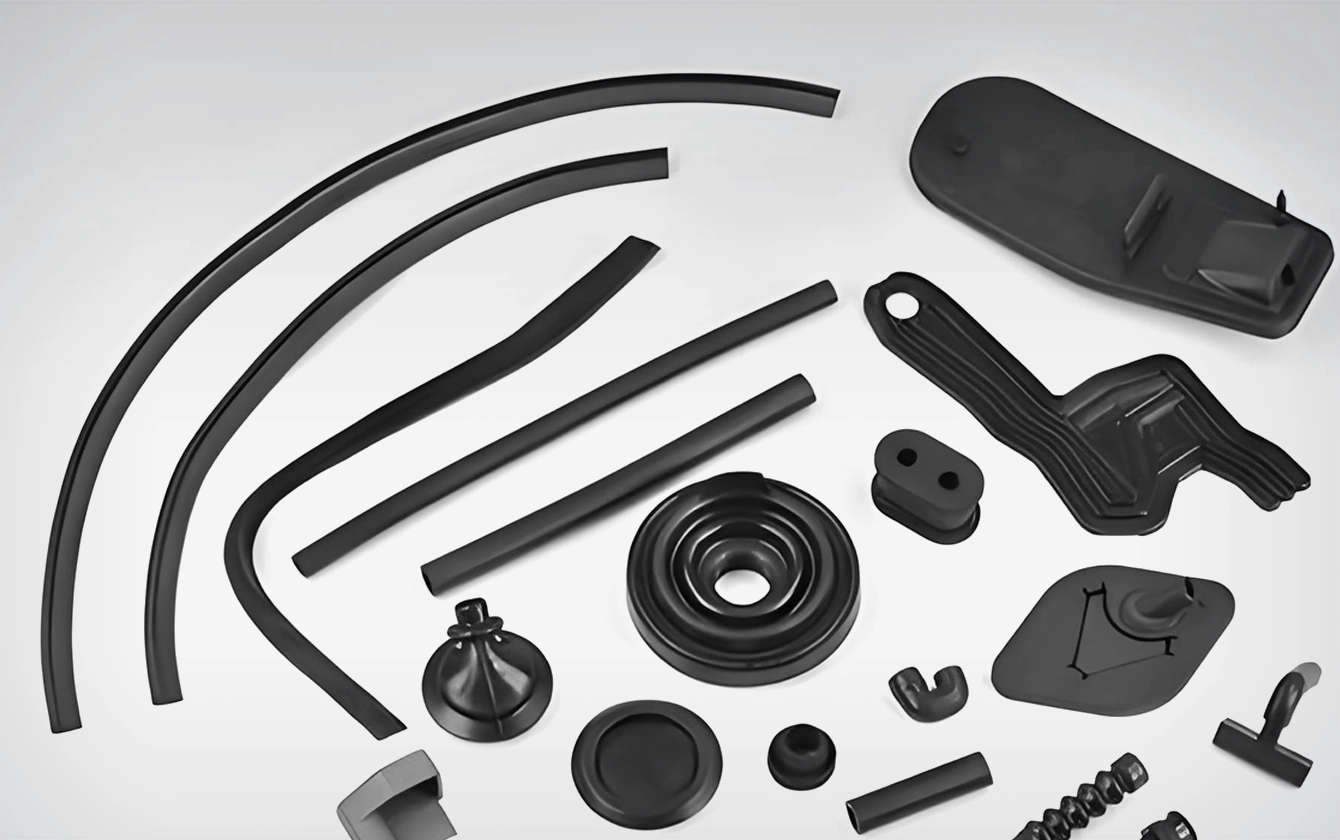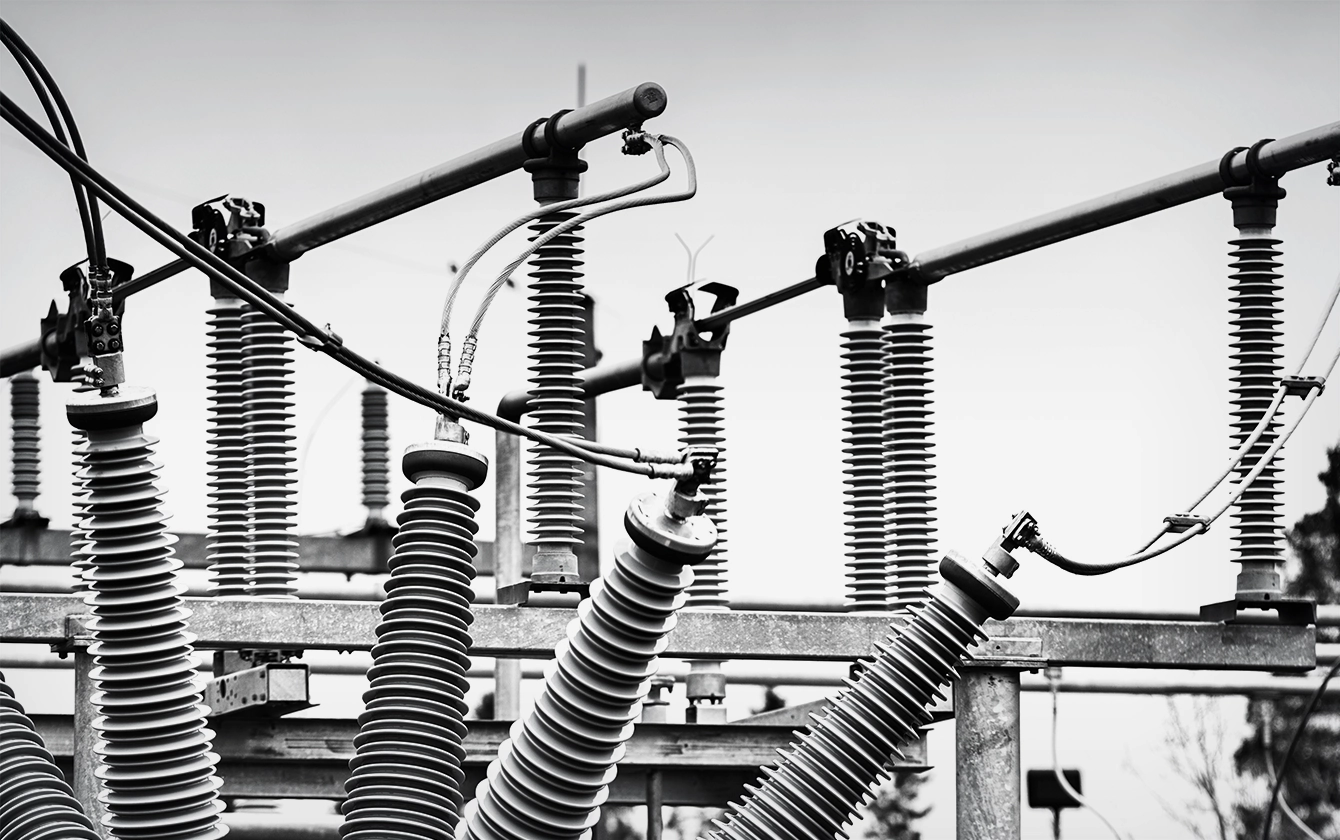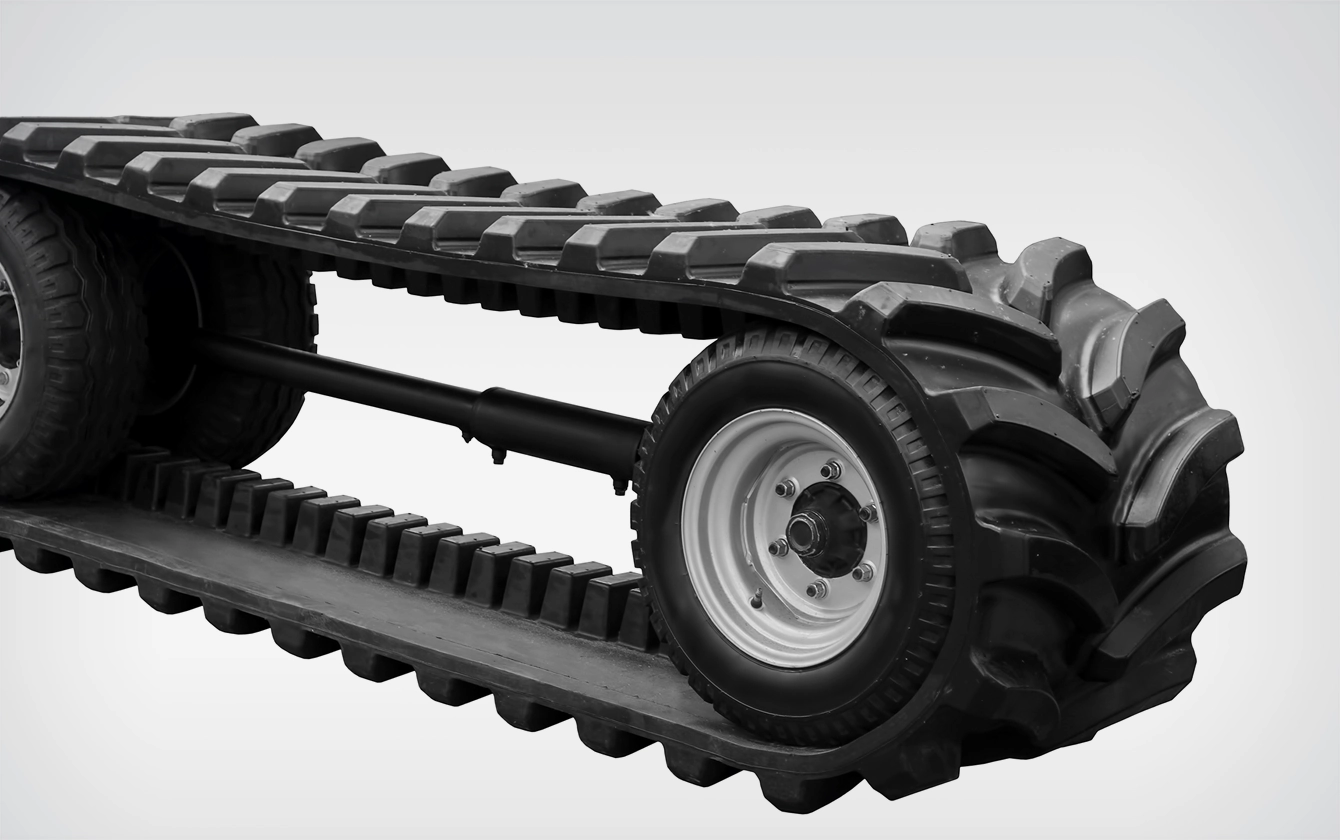
Liquid silicone rubber turns two material components into a mixed, injected, and cured product through a closely timed process. Ratio, flow, temperature, contamination, mold behavior, and handling all affect output. This principle will remain central as the liquid silicone rubber molding process moves toward smarter control and lower waste.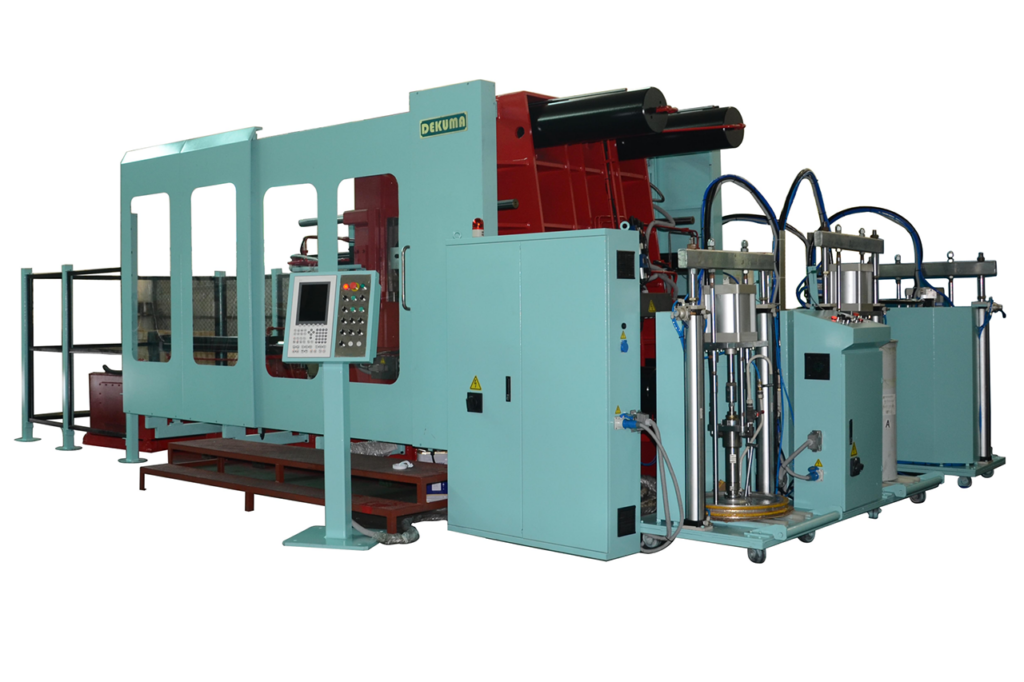
Better material intelligence before injection
Natural rubber, EPDM, silicone, and thermoplastic elastomers differ in viscosity, thermal stability, curing or cooling, and required pressure. Within LSR, formulation, additives, color, storage, supply pressure, and A/B condition also matter.
Over time, production records can connect material lots and release status with dosing, mixing, recipe, mold, cycle, and inspection without relying on manual reconstruction after a defect appears. Our dedicated LSR equipment uses synchronized A/B dosing and a static mixer for high-flow liquid silicone.
Smarter monitoring can identify ratio drift, supply interruption, pressure imbalance, or an abnormal temperature before material reaches multiple cavities. The liquid silicone rubber molding process still needs validated limits and calibrated sensors.
A detected deviation will need to trigger a defined hold or investigation rather than an unexplained automatic correction. Calibration and material-change procedures will remain central. Dosing pumps, pressure sensors, temperature sensors, and ratio monitoring need traceable checks.
When color, additive, or base material changes, the system may need to identify the purge and stabilization period and prevent questionable output from entering normal inventory. Better sensing is useful only when the plant knows how to act on an out-of-limit result.
Stable Filling and Curing through Controlled Signals
Material flow affects cavity filling speed and consistency, while thermal behavior and part thickness influence cure time. The B&R control platform can manage machine settings and process information.
In later implementations, tools may compare current injection or temperature patterns with qualified baselines and present deviations in the context of the product and mold. Clear data quality and recipe revision remain necessary for those comparisons to be trustworthy.
When injection molding rubber materials, control should preserve the difference between local regulation and plant reporting. Dosing, motion, interlocks, and fast pressure or temperature functions remain at machine level. Production systems can manage order identity, genealogy, completion, and quality status.
Network loss must not compromise safety, and stale values must not appear as current normal readings. Future analytics should also preserve uncertainty. A pressure or temperature pattern may correlate with a defect without proving its cause.
Tools can rank evidence for investigation, but engineering trials may need to isolate material, mold, machine, and handling variables before a recipe is changed. This prevents a statistical relationship from becoming an unverified automatic process rule.
Loss Categories That Reveal the Correct Action
LSR loss can occur during startup, purging, color change, ratio deviation, runner curing, flash, rejected parts, or contamination. These categories must be recorded separately because they require different action.
Cold-runner or material-saving mold concepts can reduce cured waste in appropriate applications, while accurate dosing helps control excess material. Neither removes the need for mold balance, venting, cleanliness, and preventive maintenance. Mold-level monitoring may provide more detailed evidence about cavity balance and thermal behavior.
Measurements by cavity or region can reveal a local restriction that disappears in an overall average. The added sensors and channels must still justify their maintenance and calibration burden. In some molds, disciplined inspection and periodic qualification may remain more practical than permanent instrumentation.
Energy should be related to acceptable output, not machine motion alone. Heating, hydraulics, dosing, curing, auxiliary equipment, idle time, and scrap all affect the result. Servo or demand-matched control can reduce unnecessary hydraulic consumption where applicable.
A lower-energy setting that creates incomplete cure or more rejects does not represent a useful improvement in the liquid silicone rubber molding process. Our application engineering at Dekuma matches injection molding rubber materials to suitable equipment rather than treating elastomers as interchangeable.
Shared evidence for automation and maintenance
LSR parts may be soft, small, transparent, or contamination-sensitive. Automated removal, inspection, and transfer need tooling suited to the actual geometry. Fault recovery will need to cover material interruption, ratio alarms, missing inserts, failed removal, guard access, and restart after a stop.
The cell must isolate questionable output and preserve its production record. Sustainability claims will need a clear boundary. Material saved in runners may need to be weighed against purge, rejected parts, cleaning consumables, energy, and maintenance. Reports need to state whether they cover the machine, the complete cell, or the wider factory.
This avoids describing a local reduction as a total environmental improvement when another process stage carries the displaced burden. Maintenance data can connect dosing calibration, mixer condition, seals, temperature zones, injection response, mold cleanliness, alarms, and yield. We support machine configuration, trials, installation, training, and technical service.
Smarter systems must make causes clearer and responses more consistent while leaving safety and product decisions traceable. Clearer causes and traceable responses can lower material and energy loss without turning the process into an opaque control problem.
When baselines and revision histories are preserved, support teams can compare current behavior with accepted production instead of troubleshooting from memory. For future LSR development, we at Dekuma expect precise material control to work with specific waste accounting and maintainable automation.