A rubber molding project begins long before a press is ordered. Product performance, compound behavior, tooling, capacity, automation, utilities, acceptance, and support must be translated into one workable production plan.
The following framework helps a project team evaluate a rubber injection molding manufacturer before technical and commercial assumptions become difficult to change. Buyers need to question rubber injection molding machine manufacturers about this complete system.
What Product and Process Information Is Required?
The supplier needs to request product drawings, tolerances, part weight, cavity count, annual and shift volume, compound data, cure requirements, mold concept, insert details, quality standards, and downstream handling. Without these inputs, shot volume, injection pressure, clamping force, platen size, opening stroke, heating, and cycle time remain estimates.
Any missing information will need to be recorded with an owner and validation plan rather than silently converted into a fixed specification. The project team should also define who may approve changes to these inputs.
A revised compound, cavity count, output target, or mold weight can alter the machine recommendation and factory requirements. Version-controlled application data prevents commercial documents, drawings, software, and acceptance plans from developing around different assumptions.
It also provides a clear basis for evaluating later change requests. Material and mold conditions need equal attention. Feeding, plasticizing, residence time, injection response, venting, temperature uniformity, pressure stages, and demolding differ among compounds and products.
A rubber injection molding manufacturer may need to explain the proposed process window, the evidence supporting it, and its limits. Trials with representative tooling and material provide stronger evidence than a general statement that a machine can process rubber.
How Will the Machine and Automation Be Matched?
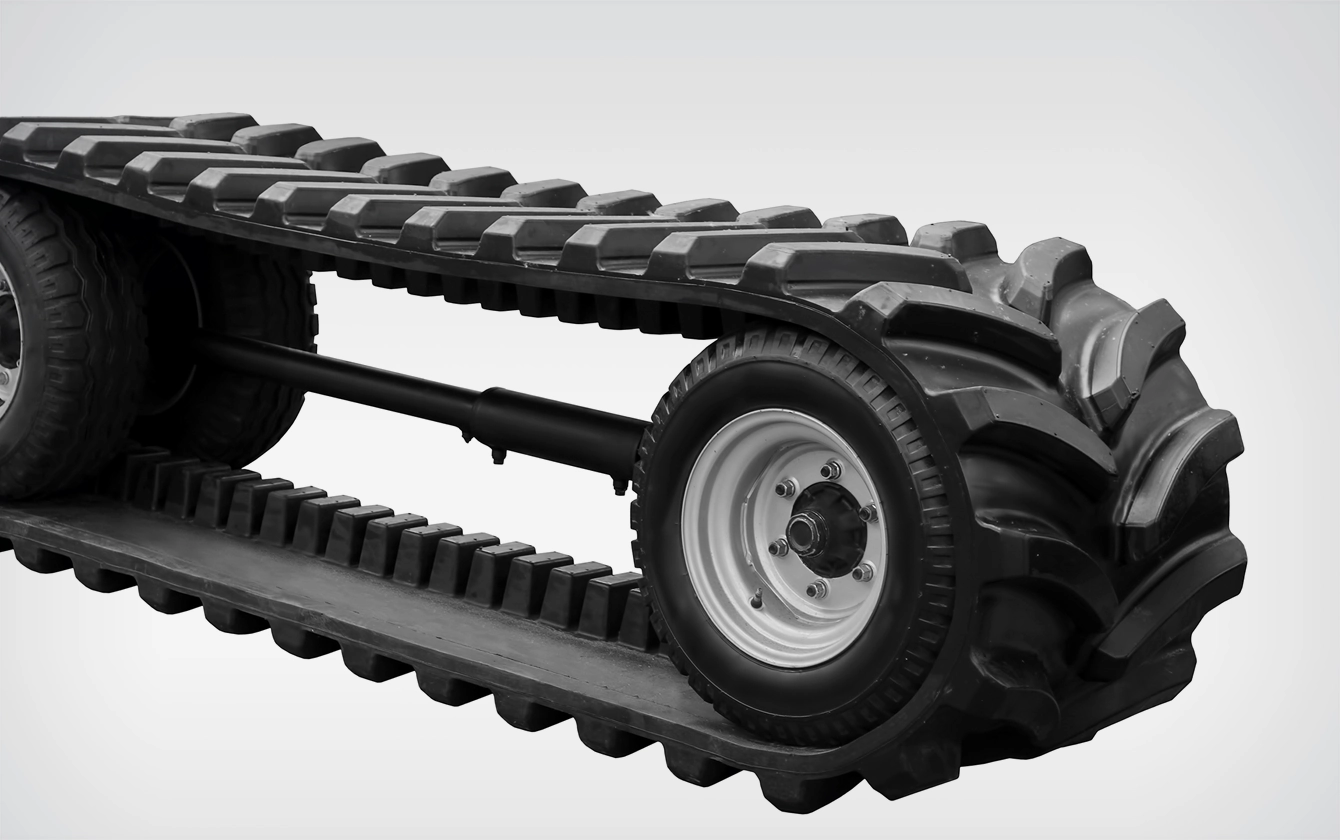
Our range covers vertical, servo-hydraulic, C-frame, power-insulator, rubber-track, glass-encapsulation, sealing-ring, liquid-silicone, and other application-specific equipment. Large components may need substantial shot capacity, platen area, mold handling, and strong clamping. Power products emphasize controlled injection and temperature, while track production may integrate tensioning, take-out, demolding, and vulcanization.
Architecture will need to follow the actual production route. Automation must solve a measurable safety, quality, labor, or capacity constraint. The sequence needs to include feeding, inserts, mold motion, curing, removal, cleaning, inspection, and rejected-part handling. Permissions, completion signals, timeouts, safe states, and recovery procedures may need to be documented.
Rubber injection molding machine manufacturers will also need to distinguish standard equipment, selected options, future provisions, customer-supplied devices, and integration responsibility. Factory conditions need early verification. Available power, cooling water, air, foundation, floor loading, lifting, access routes, ambient temperature, ventilation, and network policies can change the cell layout and commissioning plan.
A supplier site review or documented utility checklist reduces the chance that installation reveals an interface that was never included in either party’s scope. Our team at Dekuma encourages buyers to evaluate the complete production system.
What Evidence Will Define Project Acceptance?
Before ordering, the parties should agree on factory and site acceptance. Function tests may cover safety, movements, pressure, temperature, alarms, controls, and interfaces. Representative molding can assess the interaction among material, machine, mold, settings, and handling.
The plan needs to state stabilization time, sample quantity, measurements, tolerances, cycle conditions, defect treatment, and the effect of interruptions. Project economics requires the same discipline. A common boundary must include the machine, mold, automation, auxiliaries, guarding, utilities, installation, testing, training, and spare parts.
Lifecycle assumptions may need to cover material loss, energy, labor, changeover, maintenance, downtime, and accepted yield. A lower base quotation is not necessarily a lower-cost project if required engineering or support remains excluded. Risk allocation should also be visible.
The contract can identify who supplies trial material, shipping fixtures, lifting, local safety approval, network access, translators, and measurement equipment. Payment milestones may need to relate to defined deliverables rather than broad progress descriptions. When responsibilities and evidence are linked, unresolved technical work is less likely to reappear as a schedule dispute.
How Will Production Be Supported after Delivery?
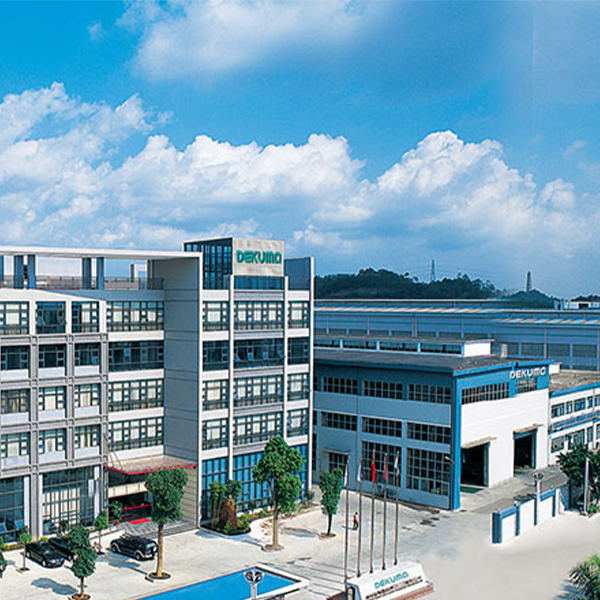
Our company, Dekuma, was founded in 2004 and reports a customer base exceeding 1,500, service reach across more than 50 countries, and over twenty years of work in rubber injection molding. Our support includes turnkey delivery, on-site training, after-sales service, and end-to-end technical assistance.
These facts provide context, but each contract may still need to define response channels, locations, warranty, remote and on-site scope, documentation, and parts responsibilities. Training needs to be role-specific. Operators require safe setup, recipe use, quality checks, alarms, and recovery.
Maintenance personnel need hydraulic, heating, electrical, sensor, lubrication, calibration, and backup knowledge. Engineers need change authorization and trial documentation. The plant needs to preserve recipes, drawings, software backups, part numbers, maintenance history, and accurate fault evidence.
Service performance can be reviewed through response, diagnosis, parts lead time, resolution, and repeat-fault history. These measures require both parties to record cases consistently. Maintenance recommendations may need to reflect operating hours, load, compound, environment, and machine condition.
A sound project links product requirements to machine architecture, converts customization into testable scope, and defines support before shipment. This approach gives buyers a stronger basis for comparing suppliers than capacity tables or promotional claims alone.
A rubber injection molding manufacturer can support production more effectively when the factory provides current configuration and event data. Our position at Dekuma is that the right questions reveal whether a rubber injection molding manufacturer can carry responsibility from application review through stable production.