Sealing rings and other precision rubber parts are produced in high repetition, so small losses in material, cycle time, cleaning, or yield can accumulate quickly. Its material flow, high-pressure filling, automated handling, servo hydraulics, and cold-runner options show how future injection molded rubber products may be made with smarter control and lower waste.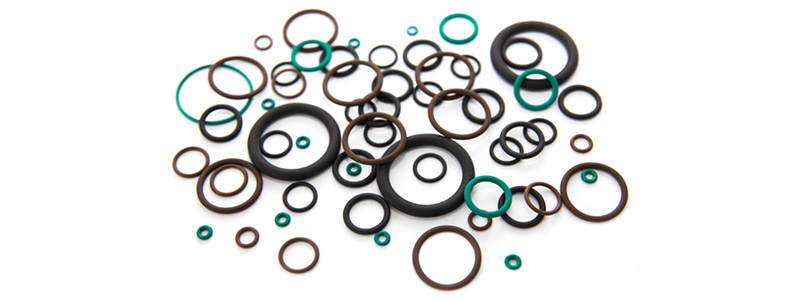
Measurable Material Flow
By advancing the oldest compound first, the FIFO barrel arrangement limits residence time and lowers exposure to premature or excessive vulcanization. In later implementations, monitoring can connect residence-related signals with material batch, recipe, downtime, and quality.
This helps teams distinguish a process interruption from a compound or mold issue instead of increasing pressure or temperature without a documented reason. Rapid cavity filling at ultra-high injection pressure is intended to limit trapped air, short shots, and incomplete edges.
The benefit still depends on viscosity, temperature, venting, cavity balance, and switching conditions. For injection molded rubber products, smarter control may compare pressure or position patterns by cavity group or tool and flag meaningful deviation from an accepted baseline while keeping final process changes under engineering authority.
Separating causes within waste analysis
Cold-runner mold technology can reduce cured rubber waste and improve flow balance, and the injection unit is integrated into the mold-template area to shorten the path. A cold runner still needs stable channel temperature, clean passages, functioning sensors, and maintained seals. Next-generation mold qualification may connect cavity weights, dimensions, visual defects, and process traces. Measurement by cavity can expose imbalance that an overall average hides.
When a channel or vent begins to restrict flow, the system may direct attention to the affected region. The finding should still be confirmed through inspection before pressure or temperature is changed across the entire mold.
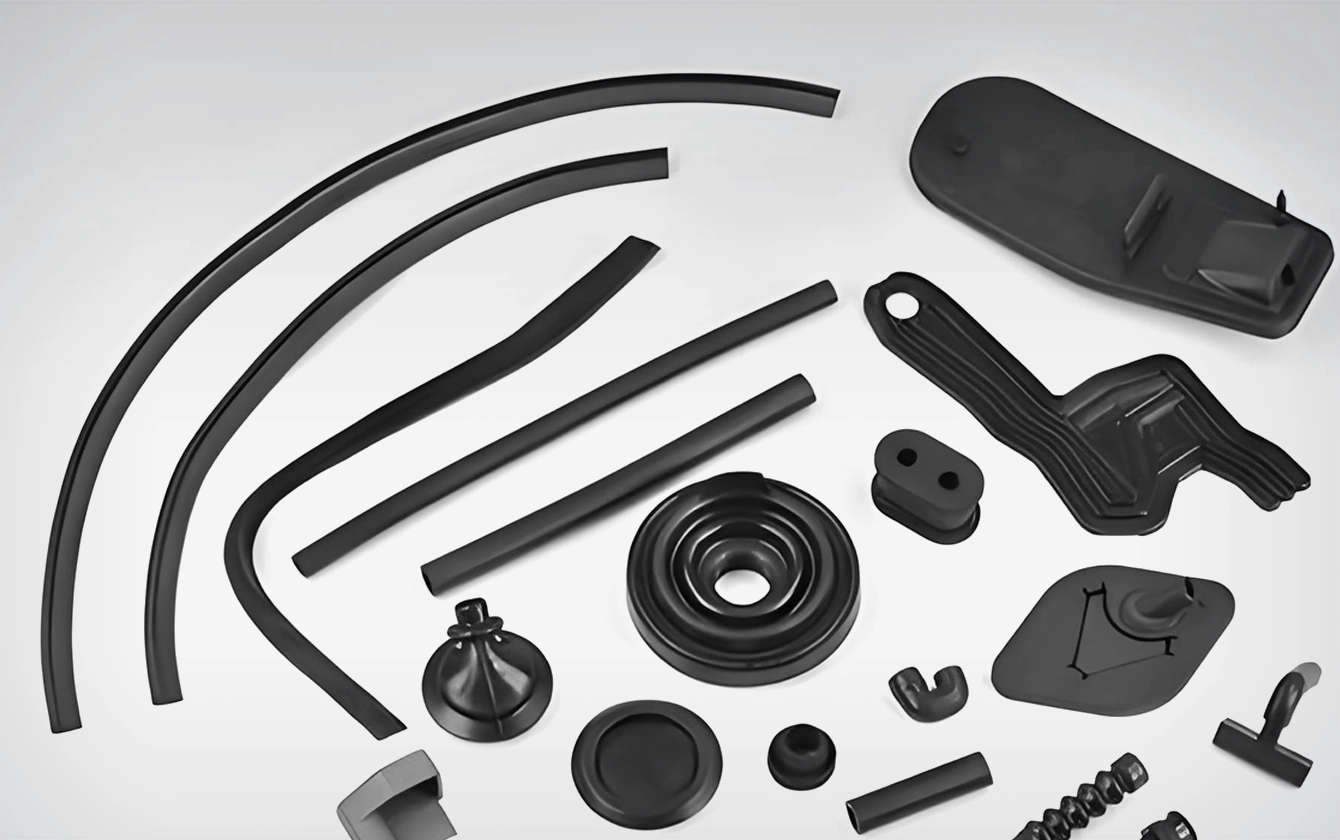
Waste records must separate runner and flash, startup, purge, rejected output, and handling damage so that material-saving claims reflect the whole process. The RH Series serves sealing rings made from natural rubber, nitrile rubber, and fluoro rubber.
Automatic brushes support pickup and mold cleaning during repeated cycles. For injection molded rubber parts, brush condition, alignment, removal confirmation, and mold-surface results can be tracked together. This turns a cleaning device into a controlled part of yield management rather than an isolated motion.
Relating Energy Use to Accepted Production
A servo-driven hydraulic pump changes pressure and flow according to real-time demand, reducing unnecessary consumption without removing required molding pressure. Next-generation reporting will need to distinguish warming, production, curing, waiting, cleaning, fault, and maintenance states.
Energy per accepted part gives a more complete result than a brief unloaded measurement and reveals whether a faster or lower-power cycle affects yield. The same metric can support scheduling. Different compounds and molds may have different energy and cure profiles, so total machine energy may need to be interpreted beside product mix and utilization.
Future planning tools may use approved baselines to compare orders or identify unusual waiting. They must not penalize a necessary long cure simply because it consumes more than a small, fast product.
The published RH specifications combine injection pressure near 2,500 kg/cm2 with model-dependent volumes of about 180-1,600 cc and clamping capacities of about 1,000-4,500 kN. Each RH model has its own opening travel, platen size, machine mass, hydraulic demand, and heating demand.
Smarter selection can map each part family and mold to a compatible capacity so production is not routed to a machine on one maximum value alone. Our work at Dekuma uses the RH Series as a practical foundation for improving the production of injection molded rubber parts.
Where Automation and Maintenance Meet
Repeated seal production benefits from automated pickup and cleaning, but the cell also needs safe recovery from a missing part, brush fault, blocked runner, sensor failure, or interrupted cycle. Looking ahead, automation may need to present the cause, affected output, safe state, and authorized recovery.
It cannot hide exceptions in a general downtime number or allow suspect parts to enter normal packing. Inspection automation may combine presence, dimensions, surface imaging, weight, or other product-specific checks.
False accepts and false rejects need validation, and manual review requires a controlled path. A vision system that rejects more parts without identifying the defect category can increase waste rather than reduce it. Quality data must lead to tooling, material, handling, or process action.
Maintenance can use trends in pressure response, temperature, energy, cycle time, cavity balance, brush behavior, alarms, and defects. These signals require calibration, stable units, and recipe context. Maintenance access and software support will influence future designs.
Brushes, runner controls, sensors, hydraulic components, and mold surfaces will need to be inspectable without excessive disassembly. Versions, backups, part numbers, and service changes need a shared history. Our view at Dekuma is that this documentation is part of smart production because reliable diagnosis depends on knowing what changed.
The objective is not data volume. It is the ability to identify which material, control, tooling, handling, or maintenance change will protect accepted output with less waste and manageable operational complexity.
We support application matching, trials, commissioning, training, spare-parts planning, and after-sales service so factories can preserve the validated relationship among machine, mold, material, and controls. Our outlook at Dekuma is that the next generation of injection molded rubber products will rely on more precise loss accounting and clearer process evidence.