
Hydraulic Clamping Injection Molding Machine: A Buyer’s Guide for Energy-Efficient Rubber Molding
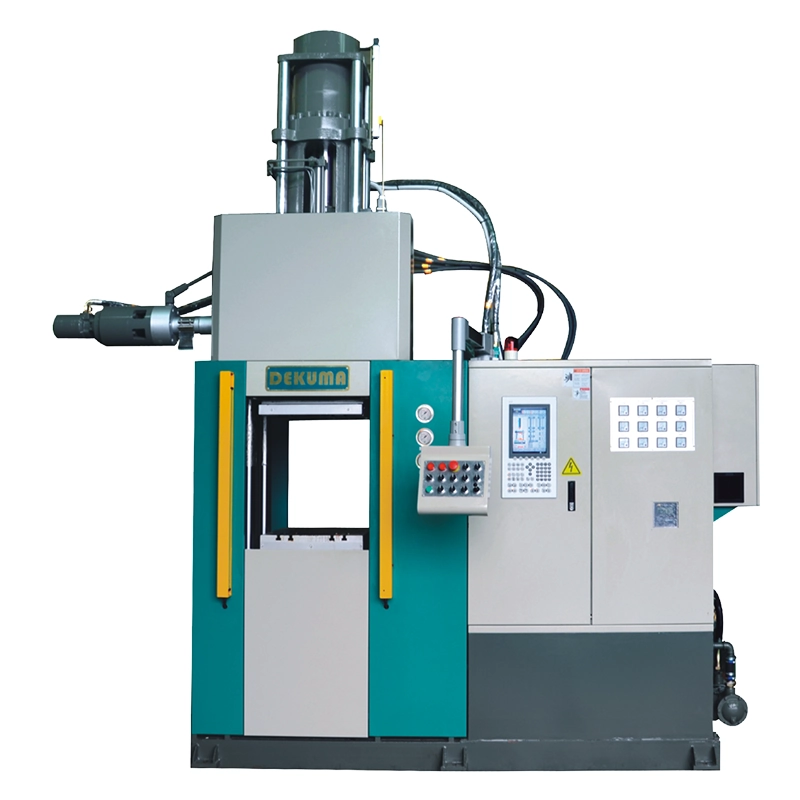
When comparing rubber injection molding machines, manufacturers often start with specifications such as clamping force, injection capacity, and mold size. However, these figures do not always reveal how the machine will perform after installation. In continuous rubber production, hydraulic operation during mold closing, pressure holding, and standby periods can have a direct impact on energy […]
Silicone Rubber Injection Molding Process: A Buyer’s Guide for Silicone Insulator Manufacturing
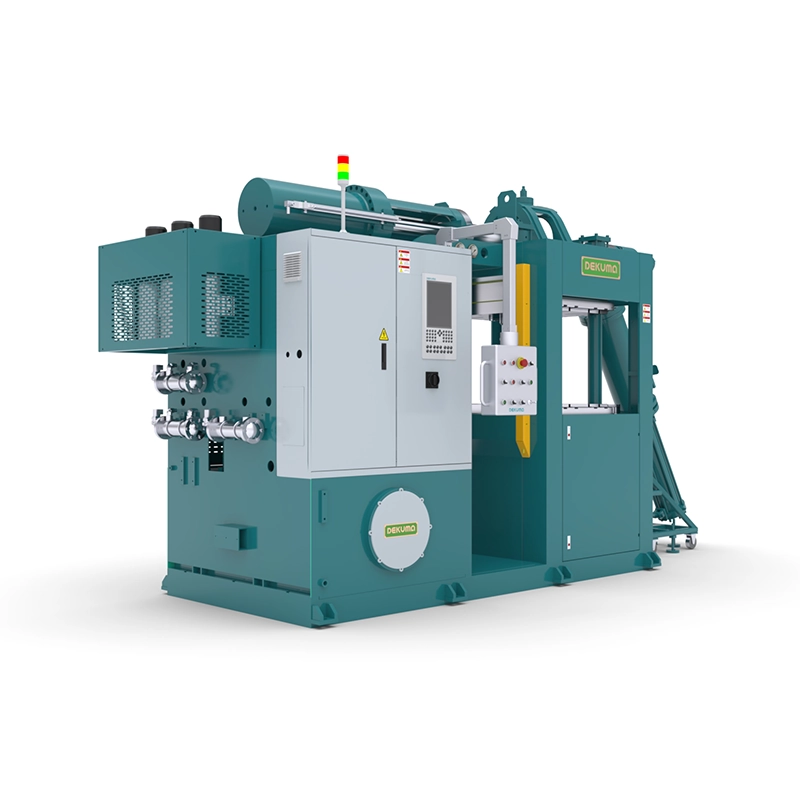
Selecting equipment for silicone insulator production requires more than comparing injection capacity or machine specifications. These components are designed to maintain electrical insulation performance under outdoor conditions, including moisture, temperature changes, ultraviolet exposure, and pollution. Their long bodies, multiple sheds, and strict surface requirements create different molding challenges compared with standard rubber parts. For manufacturers, […]
Rubber Track Manufacturing Process: A Buyer’s Guide
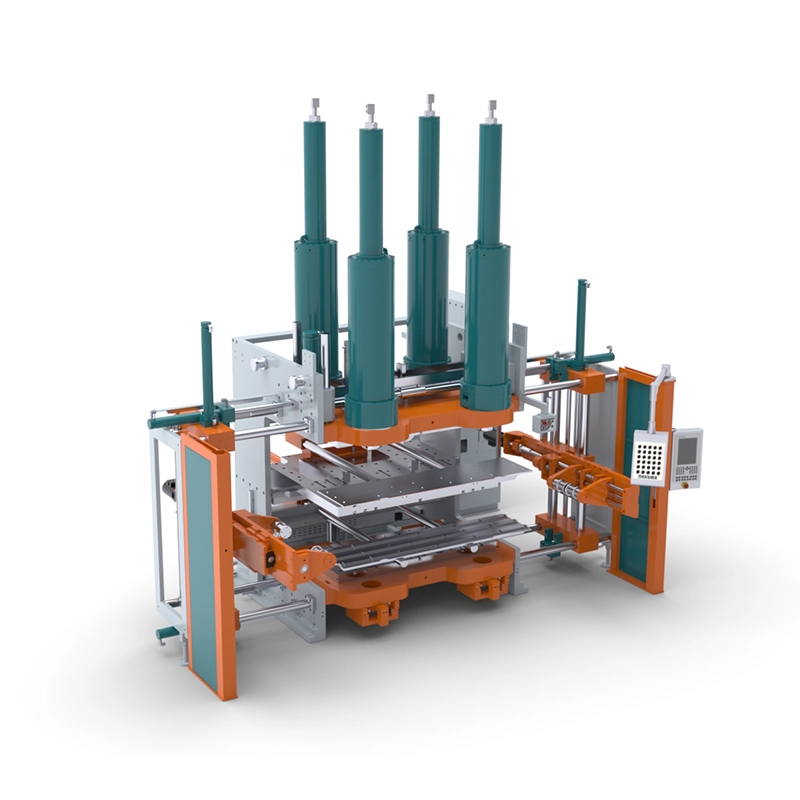
A rubber track is expected to operate under repeated impact, tension, and abrasive conditions. However, the performance of a finished track is largely determined during manufacturing. Weak bonding between rubber layers, inaccurate reinforcement positioning, or unstable curing conditions can reduce service life even when the rubber compound itself meets the required standards. The rubber track […]
Cold Runner Systems: A Buyer’s Guide for Seal and O-Ring Manufacturing
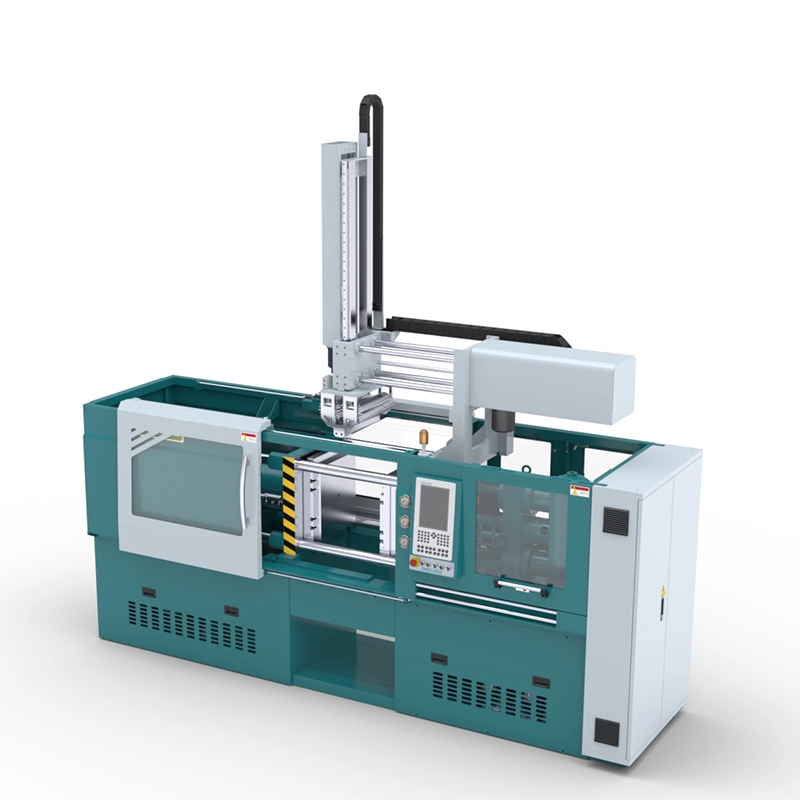
In seal manufacturing, the difference between a stable production line and a difficult one is often determined by details that appear small at the beginning. For O-rings and sealing rings produced in large volumes, issues such as excess flash, inconsistent filling, or unnecessary runner material can gradually increase material consumption, manual work, and quality control […]
Rubber Injection Molding Process: A Buyer’s Guide for Elastomer Processing
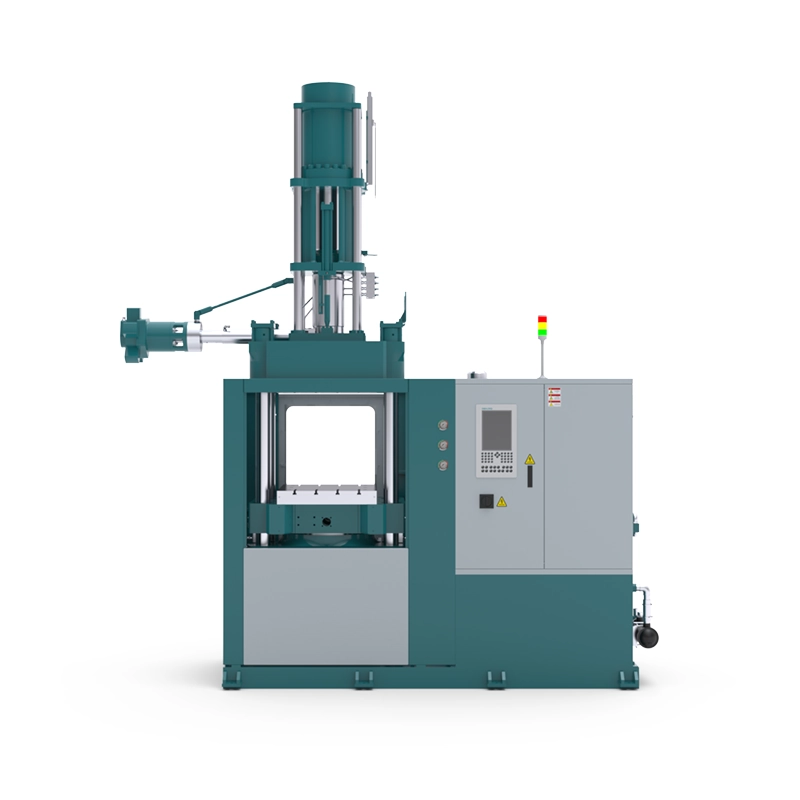
An EPDM seal and a silicone rubber insulator may come from the same molding workshop, but they rarely run under the same process settings. Differences in viscosity, curing behavior, and temperature sensitivity can affect everything from material filling to cycle stability. This is where many rubber manufacturers face difficulties during production expansion. A machine that […]
Custom Injection Molding Companies: Supplier Selection Checklist for Custom Rubber Production
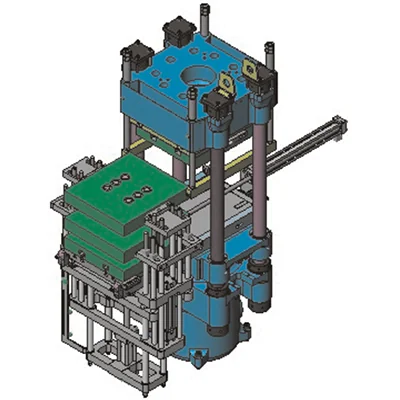
A rubber component that looks simple from the outside may involve complex production requirements behind the mold. An automotive sealing part may require tight dimensional control to prevent leakage, while a silicone rubber insulation component may need stable processing conditions to maintain electrical performance. For manufacturers producing customized rubber parts, the challenge is not simply […]
Rubber Injection Machine: A Buyer’s Guide for Rubber Component Manufacturing
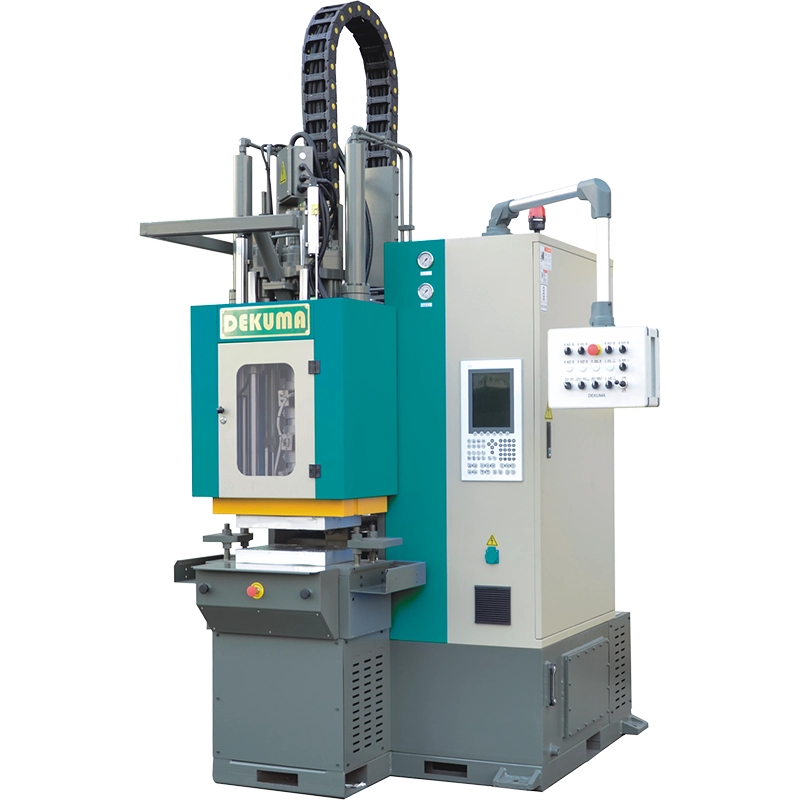
A manufacturer producing automotive oil seals, silicone rubber insulators, or rubber tracks faces different molding challenges from the beginning of production. An oil seal supplier needs stable dimensions and surface quality to meet sealing requirements. A power component manufacturer needs consistent silicone rubber processing to maintain insulation performance. A rubber track producer must handle larger […]
Rubber Molding Press Manufacturers: A Practical Checklist for Selecting the Right Supplier
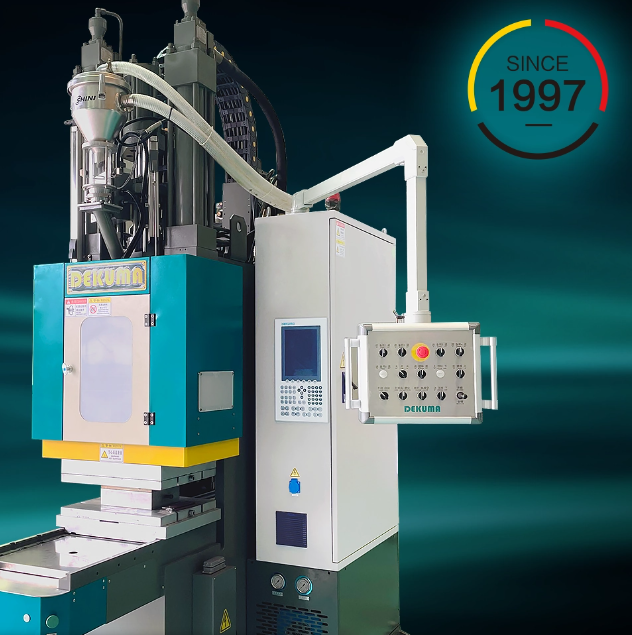
In rubber molding production, equipment problems often appear after the machine has already been installed. A press that cannot maintain stable injection pressure may cause inconsistent filling, while insufficient mold control can lead to flash or dimensional variation. These issues directly affect production efficiency and product quality. For manufacturers producing automotive seals, power components, rubber […]
Automotive Rubber Injection Molding Selection Criteria for Window Seals, Gaskets, Dampers, Oil Seals, and Connectors
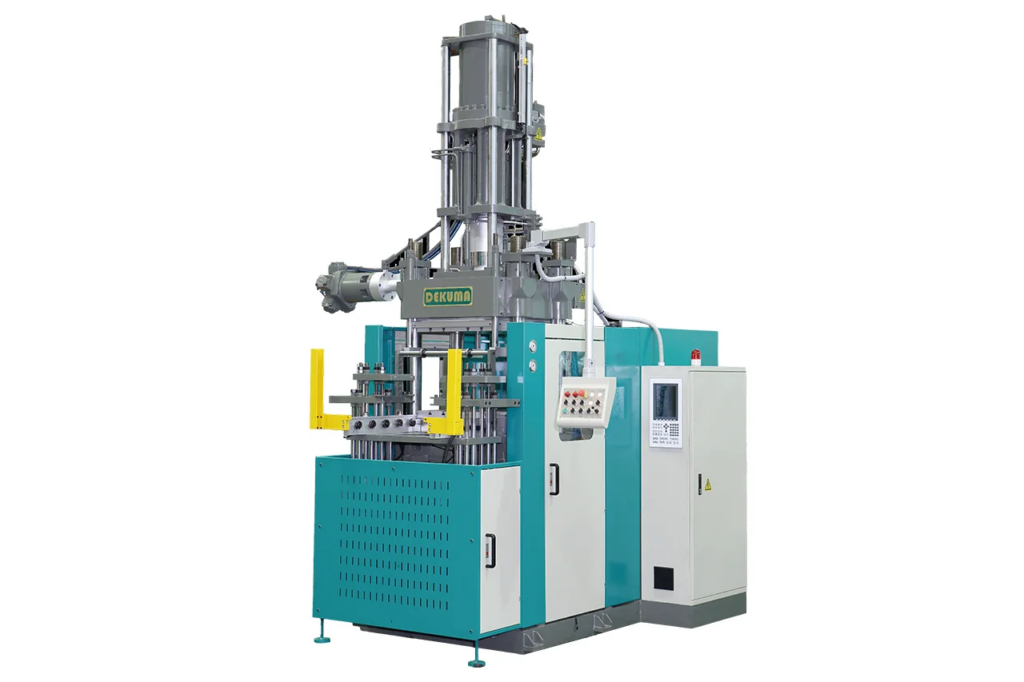
Automotive rubber components may be small in size, but they play important roles in vehicle safety, comfort, and durability. Window seals must maintain protection against water and noise, oil seals need reliable leakage prevention, dampers must provide stable vibration control, and connectors require accurate dimensions for secure assembly. For automotive suppliers, producing these parts consistently […]