
A manufacturer producing automotive oil seals, silicone rubber insulators, or rubber tracks faces different molding challenges from the beginning of production. An oil seal supplier needs stable dimensions and surface quality to meet sealing requirements. A power component manufacturer needs consistent silicone rubber processing to maintain insulation performance. A rubber track producer must handle larger molds and longer production cycles.
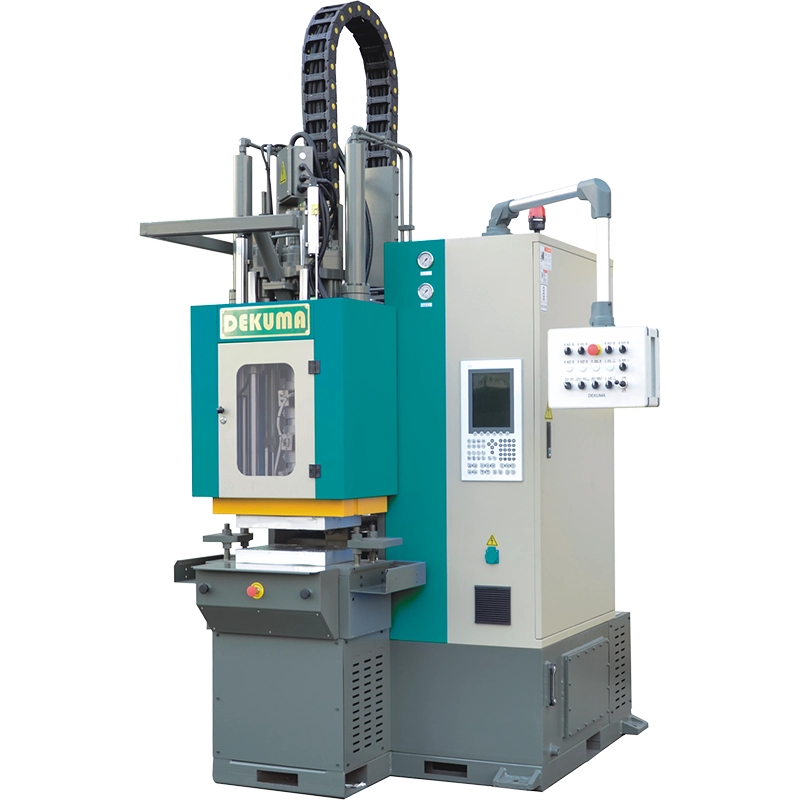
These differences determine whether a machine can truly fit the production line. A suitable rubber injection molding machine should match the rubber compound, mold structure, product size, and output requirements. Instead of selecting equipment based only on injection pressure or clamping force, buyers need to understand how each machine feature affects daily production results.
Start Equipment Selection From the Rubber Component Requirements
The first question for buyers is not “Which machine has the highest capacity?” but “What products will this machine produce every day?” Rubber components with different designs create different demands on the molding process.
For example, automotive sealing parts often involve tight dimensional tolerances. If injection volume changes between cycles, the finished parts may experience variations in size, weight, or sealing performance. For manufacturers supplying vehicle components, these differences can increase inspection work and material waste.
Electrical rubber products require another level of process control. Components such as composite insulators and cable accessories need stable molding conditions because uneven material distribution or incomplete curing can affect their performance in service environments.
For these applications, a rubber injection machine should be selected according to the product’s actual processing requirements. Factors such as rubber material characteristics, mold design, production quantity, and quality standards are more important than choosing a machine based on general specifications alone.
Evaluate Material Compatibility and Injection Control
Rubber compounds do not behave the same way during molding. NR, NBR, EPDM, silicone rubber, and other materials differ in viscosity, flow behavior, and curing requirements. Equipment that performs well with one compound may require adjustments when processing another.
Before purchasing, buyers should check whether the machine design supports their material range. Stable plasticizing, accurate injection, and consistent temperature management directly affect whether rubber fills the mold properly and cures evenly.
Injection control becomes especially important for manufacturers producing large quantities of identical components. A small variation in material dosing or injection timing can accumulate into quality problems during mass production.
A well-configured rubber injection molding machine helps maintain consistent processing conditions, allowing operators to reduce parameter adjustments and improve production repeatability.
Choose the Machine Structure Based on Production Needs
Machine structure influences how efficiently a factory can operate molds and manage production changes. Different rubber products require different levels of accessibility, flexibility, and automation.
Vertical machines are often suitable for applications where insert placement, mold operation, or production flexibility are important. This makes them useful for many automotive and industrial rubber components.
Our RV Series vertical rubber injection molding machines are designed for applications including automotive rubber parts, power industry products, and industrial components. The machines support materials such as NR, NBR, and EPDM, and are used for products including seals, vibration dampers, cable connectors, and pipe connectors.
For manufacturers producing precision rubber parts, the machine layout also affects mold handling and operator efficiency. Our RC Series uses a C-frame structure, providing convenient access for applications such as sealing strip joints, seals, skeleton oil seals, and TPU products.
When comparing different equipment options, buyers should focus on whether the machine structure fits their existing molds and production methods. A technically advanced machine may still create operational difficulties if it does not match the factory’s actual workflow.
Assess Supplier Capability Before Making a Purchase
The machine itself is only part of the investment. Rubber molding performance also depends on whether the supplier can provide appropriate technical support during machine selection, installation, and production adjustment.
A capable supplier should understand the relationship between rubber materials, molds, and process parameters. This becomes especially important when customers produce customized components or need to solve issues such as incomplete filling, inconsistent curing, or frequent parameter changes.
With experience in rubber injection molding equipment, Dekuma works with customers in industries including automotive rubber parts, electric power products, engineering vehicles, and agricultural machinery. Our approach is based on combining machine design with actual production requirements rather than offering a standard configuration for every application.
Another point buyers should evaluate is the supplier’s manufacturing and engineering background. A machine may operate well during initial testing, but long-term performance depends on component quality, system stability, and available technical assistance.
Consider Total Production Cost Instead of Machine Price Alone
The lowest purchase price does not always create the lowest manufacturing cost. For rubber component producers, expenses often come from rejected parts, downtime, maintenance, and production interruptions.
For example, unstable molding conditions may require additional operator adjustments or lead to repeated quality checks. Over time, these hidden costs can exceed the initial price difference between equipment options.
A practical evaluation should include machine stability, energy consumption, maintenance requirements, and support services. These factors determine how well the equipment performs after entering regular production.
For manufacturers planning capacity expansion, flexibility is also important. A machine that can adapt to different molds or rubber materials gives factories more options when developing new products.
Make Equipment Decisions Based on Real Production Conditions
Selecting rubber molding equipment requires a clear understanding of what happens on the factory floor. The best choice is not necessarily the machine with the largest specifications, but the one that matches the products, materials, molds, and production targets.
Before purchasing, buyers should review their current manufacturing challenges and confirm whether the equipment can solve them. Questions about material compatibility, process stability, mold flexibility, and technical support often determine the success of a new installation.
Working with an experienced supplier such as Dekuma allows manufacturers to evaluate equipment from a production perspective. A properly selected rubber injection machine can help factories maintain consistent output, reduce unnecessary adjustments, and support changing product requirements.
For companies investing in new rubber molding equipment, choosing the right system at the beginning can prevent costly modifications later. A suitable machine is not defined only by its specifications, but by how effectively it performs in the real manufacturing environment.