
An EPDM seal and a silicone rubber insulator may come from the same molding workshop, but they rarely run under the same process settings. Differences in viscosity, curing behavior, and temperature sensitivity can affect everything from material filling to cycle stability.
This is where many rubber manufacturers face difficulties during production expansion. A machine that handles one compound smoothly may require repeated adjustments when another elastomer is introduced. The challenge is not simply processing rubber, but maintaining consistent results when material characteristics change.
How Material Selection Affects Equipment Configuration
Different elastomers create different processing requirements. The material choice influences how the rubber flows, how much control is needed during injection, and how the finished part performs after molding.
NBR is widely used for oil seals and other components exposed to oils or fuels. For these applications, dimensional accuracy and repeatable molding cycles are important because variations can affect sealing performance. The equipment needs to maintain consistent material dosing and injection control during continuous production.
EPDM is commonly selected for automotive weather seals and electrical components because of its resistance to aging and environmental conditions. When processing EPDM, manufacturers need suitable temperature management and curing control to maintain uniform properties between batches.
Silicone rubber is often used for electrical insulation products and components exposed to high temperatures. Compared with many conventional rubber compounds, silicone rubber requires different feeding and processing considerations to achieve stable molding results.
For manufacturers working with different injection molding rubber materials, selecting equipment based on material behavior is essential. A machine that handles one compound successfully may require different configurations when another elastomer is introduced.
Key Process Factors That Influence Rubber Molding Results
Material selection is only the starting point. The relationship between the machine and the molding process determines whether production can remain consistent.
Injection control is one of the first factors buyers should evaluate. Rubber needs to fill the mold cavity evenly, especially for components with complex structures or strict dimensional requirements. Poor control of injection speed or pressure may lead to incomplete filling, surface defects, or inconsistent part weight.
Temperature management also affects the final result. Rubber compounds require controlled heating during plasticizing and curing. Excessive variation can influence material behavior, while insufficient control may create differences between production cycles.
Material feeding is another important consideration. Different elastomers may require different feeding approaches to maintain smooth processing. For factories producing multiple rubber products, equipment flexibility can reduce the need for repeated adjustments when switching between applications.
A properly configured rubber injection molding process connects material characteristics, machine settings, and mold requirements instead of treating each factor separately.
Select Equipment Based on Elastomer Applications
The same machine configuration is not always suitable for every rubber product. Equipment selection should consider the relationship between material type, product structure, and manufacturing volume.
For automotive rubber components, manufacturers often need equipment that can maintain accurate molding cycles for products such as seals, vibration dampers, and connectors. For electrical applications, silicone rubber processing may require different feeding and temperature control solutions.
Our equipment configurations are developed according to different material and application requirements. Instead of using a fixed setup for every project, machine options can be selected based on product characteristics, mold structure, and production conditions.
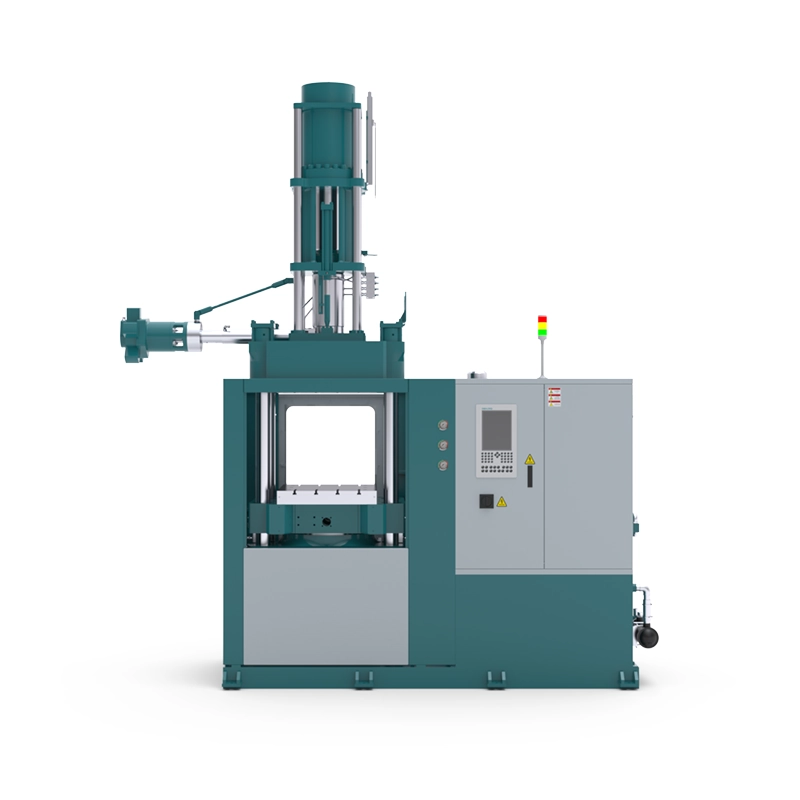
The RV Series vertical rubber injection molding machines are used for applications including automotive rubber parts, power industry products, and industrial components. They support materials such as NR, NBR, and EPDM, and are suitable for products including seals, vibration dampers, cable connectors, and pipe connectors.
For precision rubber parts, the RC Series uses a C-frame structure that provides convenient mold access. It is designed for applications such as sealing strip joints, seals, skeleton oil seals, and TPU products where flexible operation is important.
Evaluate Supplier Knowledge of Rubber Processing
Choosing equipment for elastomer processing requires more than comparing machine parameters. The supplier’s understanding of rubber materials, molds, and production challenges can influence the final result.
During production trials or commissioning, problems may appear that cannot be solved through machine settings alone. Issues such as uneven filling, curing variation, or material feeding difficulties may involve the interaction between the compound, mold design, and equipment configuration.
A supplier with experience in different rubber applications can provide more practical recommendations during equipment selection. This is especially important for manufacturers developing customized components or handling multiple elastomers.
With our experience in rubber molding technology, Dekuma works with manufacturers to evaluate equipment configurations according to material characteristics and application requirements. Our approach focuses on matching machine design with actual production processes rather than offering a standard configuration for every customer.
Consider Flexibility When Introducing New Materials
Many manufacturers do not produce only one rubber component throughout the equipment lifecycle. New customer projects, different product designs, or additional elastomers may require production changes after installation.
For this reason, buyers should consider whether the equipment can adapt to future requirements. Flexible configurations can help manufacturers process new injection molding rubber materials without making major changes to the entire production system.
Before purchasing, it is useful to discuss possible future applications with the supplier. A machine selected only for current production may become limited when product specifications or material requirements change.
Make Equipment Decisions Based on Real Production Needs
The performance of a rubber molding system is often decided by details that are determined before production begins: whether the machine matches the compound, whether the injection unit fits the material behavior, and whether the process settings can remain stable during repeated cycles.
For manufacturers working with multiple elastomers, Dekuma provides equipment configurations based on different material and application requirements rather than applying one standard setup to every project.
A successful rubber injection molding process is not achieved by the machine alone. It comes from the connection between the rubber compound, mold design, and equipment configuration, which determines whether a production line can deliver consistent parts day after day.