
A rubber track is expected to operate under repeated impact, tension, and abrasive conditions. However, the performance of a finished track is largely determined during manufacturing. Weak bonding between rubber layers, inaccurate reinforcement positioning, or unstable curing conditions can reduce service life even when the rubber compound itself meets the required standards.
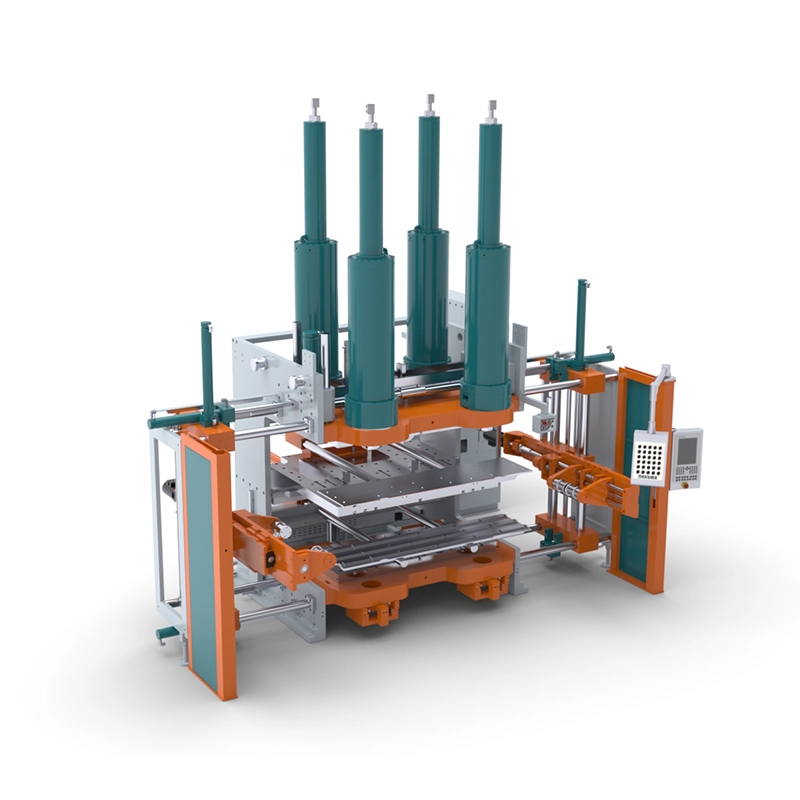
The rubber track manufacturing process involves several connected stages, including material preparation, reinforcement integration, molding, and vulcanization. For companies investing in new production equipment, the key consideration is not only whether a machine can complete each step, but whether the entire system can maintain stable conditions throughout continuous manufacturing.
Start With Track Structure and Production Requirements
Before selecting equipment, the structure and application of the rubber track should be clearly defined. Tracks used for excavators, agricultural machinery, and engineering vehicles often face different operating environments, which leads to differences in material selection and reinforcement design.
Track width, pitch, rubber compound, steel cord arrangement, and expected production volume all influence equipment requirements. A line designed for heavy-duty construction tracks may require different capabilities from one producing smaller agricultural tracks.
Production flexibility is also an important factor. Many manufacturers need to produce multiple track specifications for different customers, meaning the equipment should allow reasonable adjustments in molding parameters and process settings.
A suitable production line should match current manufacturing goals while leaving room for future product development.
Control Reinforcement Position During the Molding Process
The reinforcement structure inside a rubber track provides the strength required to handle continuous loads. Steel cords, in particular, need accurate positioning because even small deviations may affect the balance of forces during operation.
During production, unstable tension or incorrect alignment can create differences in the internal structure of the track. These issues may not be visible immediately after molding but can influence durability when the track is exposed to heavy working conditions.
For this reason, reinforcement control should be considered during equipment evaluation. The Rubber Track Production Line includes steel belt tensioning functions designed to maintain more consistent reinforcement positioning during molding.
Stable tension control reduces dependence on manual adjustment and helps manufacturers maintain better repeatability between production batches. This is especially valuable for companies producing large quantities of tracks with strict performance requirements.
Evaluate Vulcanization Capability Before Equipment Investment
Vulcanization determines how rubber components develop their final mechanical properties. The curing process affects hardness, elasticity, bonding strength, and resistance to wear.
A suitable rubber track vulcanizing machine needs to maintain controlled temperature, pressure, and curing time according to different track designs. If curing conditions fluctuate, manufacturers may encounter problems such as uneven rubber properties or insufficient bonding between different layers.
The relationship between the vulcanization unit and mold structure is also important. Pressure distribution inside the mold affects how the rubber compound fills the cavity and how evenly the final product is formed.
For rubber track production, vulcanization should not be viewed as an independent operation. It is closely connected with reinforcement placement, mold design, and material characteristics, making overall process coordination essential.
Choose an Integrated Production Line for Better Process Control
Rubber track manufacturing involves multiple stages that need to operate together. When material handling, reinforcement positioning, molding, and curing are managed separately, production teams may face more adjustments and coordination challenges.
The Rubber Track Production Line is configured around integrated manufacturing requirements, combining automatic rubber loading, steel belt tension control, vulcanization equipment, and monitoring functions. These configurations help connect major production stages and reduce unnecessary interruptions during operation.
An integrated line also provides better visibility of the production process. Monitoring important operating conditions allows operators to identify potential issues earlier and maintain more stable production performance.
For factories producing rubber tracks on a continuous basis, the value of a production line is reflected in daily operation, including easier adjustments, smoother workflow, and more predictable output.
Consider Material Compatibility and Future Production Changes
Rubber track manufacturers may work with different rubber compounds and reinforcement structures depending on the application. Construction equipment tracks usually require high resistance to impact and wear, while agricultural tracks may require different flexibility and traction characteristics.
Equipment selection should consider whether the production system can adapt to these differences. Changes in material formulation or track design may require adjustments to molding and curing parameters.
A flexible production setup can make it easier to introduce new models or respond to customized orders. This reduces the need for major equipment changes when production requirements evolve.
Select Equipment Based on Rubber Processing Experience
Rubber track production requires knowledge of both machinery and rubber processing. Many production problems involve several factors at the same time, such as material behavior, mold conditions, reinforcement placement, and curing parameters.
At Dekuma, equipment configurations are considered according to actual application requirements, including track structure, production capacity, and processing conditions. This approach allows each project to be evaluated based on manufacturing needs rather than a fixed equipment model.
Experience with rubber molding applications also helps identify potential production challenges before equipment installation. Proper configuration at the beginning can reduce later adjustments during mass production.
Build a Production System for Long-Term Manufacturing
A complete rubber track manufacturing process depends on the coordination between every production stage. Material preparation, reinforcement positioning, molding accuracy, and curing control all contribute to the final quality of the track.
A rubber track vulcanizing machine is an important part of this system, but its performance depends on how effectively it works with the complete production line and product design.
At Dekuma, rubber track production solutions are evaluated from the perspective of product specifications and manufacturing conditions. A well-matched equipment configuration helps manufacturers maintain reliable operation and produce rubber tracks suitable for demanding applications.