
In seal manufacturing, the difference between a stable production line and a difficult one is often determined by details that appear small at the beginning. For O-rings and sealing rings produced in large volumes, issues such as excess flash, inconsistent filling, or unnecessary runner material can gradually increase material consumption, manual work, and quality control pressure.
Selecting molding equipment therefore requires more than comparing machine specifications. The interaction between rubber material, mold structure, injection control, and runner design directly affects production performance. For manufacturers producing injection molded rubber parts, understanding these relationships helps ensure that equipment supports long-term manufacturing needs rather than only initial trial production.
Why Runner Design Influences Seal Production Results
O-rings are often small components, but their production requirements are demanding. Many applications require tight dimensional control, reliable sealing performance, and consistent output across thousands of molding cycles.
The runner system affects how rubber reaches each cavity and how much additional material remains after molding. In conventional processes, excess runner material may require additional trimming or handling, increasing material usage and labor requirements.
For high-volume seal production, these factors directly influence manufacturing costs and process control. A well-matched runner design can help manufacturers manage material utilization while maintaining stable molding conditions.
However, runner selection should not be separated from the entire production process. The rubber compound, mold layout, injection parameters, and machine capability must work together to achieve repeatable results.
What to Evaluate in a Cold Runner System
A cold runner system controls rubber temperature in the runner section before the material enters the mold cavity. In sealing applications, its value is not only related to reducing unnecessary runner material but also improving control over material flow during repeated production cycles.
Temperature stability is an important consideration because rubber compounds respond differently during processing. Variations in material behavior may affect filling balance, curing performance, and final part quality.
For buyers, evaluation should extend beyond the runner itself. The connection between the runner system, mold design, and injection unit determines whether the equipment can maintain consistent production conditions.
A cold runner configuration is not suitable for every rubber application automatically. Its performance depends on factors such as compound characteristics, product structure, mold requirements, and production volume.
Select Equipment That Fits Sealing Ring Applications
Sealing ring production places specific demands on molding equipment. Compared with many general rubber components, O-rings often require repeatable cycles, accurate dimensions, and effective control of flash and part variation.
This means equipment selection should focus on how the machine performs during continuous production rather than only whether it can complete a single molding test.
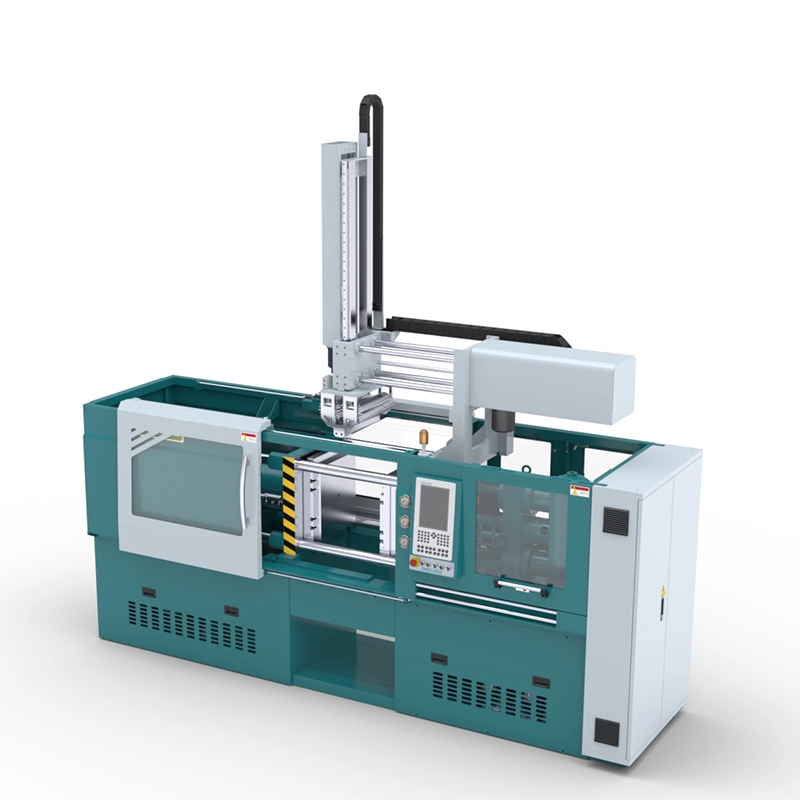
Our RH Series rubber injection molding machine is designed specifically for sealing ring applications. The machine configuration considers the production characteristics of O-rings, supporting stable injection, repeatable molding cycles, and efficient mold operation.
For manufacturers producing sealing rings, a dedicated machine configuration can provide a more suitable foundation than adapting general-purpose equipment to a specialized application. The right setup helps reduce unnecessary adjustments when moving from trial runs to regular production.
Consider Material Characteristics During Equipment Selection
Rubber compounds influence every stage of molding. Different materials have different flow behavior, curing requirements, and temperature sensitivity, which affect how the machine and mold should be configured.
NBR is commonly used for oil-resistant seals, while EPDM is frequently selected for automotive and industrial sealing applications. Silicone rubber, with its unique processing characteristics, may require additional attention to feeding and temperature control.
When producing different injection molded rubber parts, manufacturers should consider whether the equipment configuration matches the material being processed. A setup optimized for one elastomer may not deliver the same results with another compound.
Matching material characteristics with machine capability helps reduce process instability and supports more consistent production.
Work With a Supplier Experienced in Rubber Applications
Choosing equipment for seal manufacturing requires an understanding of both machinery and rubber processing. Production problems may involve multiple factors, including material behavior, mold conditions, and injection settings.
A supplier with application experience can help identify suitable configurations before these issues appear during mass production.
Our experience with rubber injection molding allows us to evaluate equipment from both production and process perspectives. We Dekuma focus on matching machine configurations with specific sealing applications instead of using a standard approach for every project.
Build a Molding Process Around Real Production Needs
In O-ring manufacturing, equipment performance is reflected in daily operation. After thousands of cycles, differences in material usage, flash control, and process stability become visible in production results.
A cold runner system should be considered together with the rubber compound, mold design, and injection conditions. A single feature cannot determine the overall performance of a molding solution.
With Dekuma, manufacturers can evaluate equipment configurations based on their sealing applications and production requirements. For companies producing injection molded rubber parts, the priority is creating a molding process that remains stable from initial trials through continuous manufacturing.
When the machine, material, and mold are properly aligned, seal production becomes easier to control, adjust, and maintain over the long term. If you are evaluating equipment for O-ring or sealing ring production, contact us to discuss your material requirements, mold conditions, and production targets for a suitable rubber molding configuration.