
In rubber molding production, equipment problems often appear after the machine has already been installed. A press that cannot maintain stable injection pressure may cause inconsistent filling, while insufficient mold control can lead to flash or dimensional variation. These issues directly affect production efficiency and product quality.
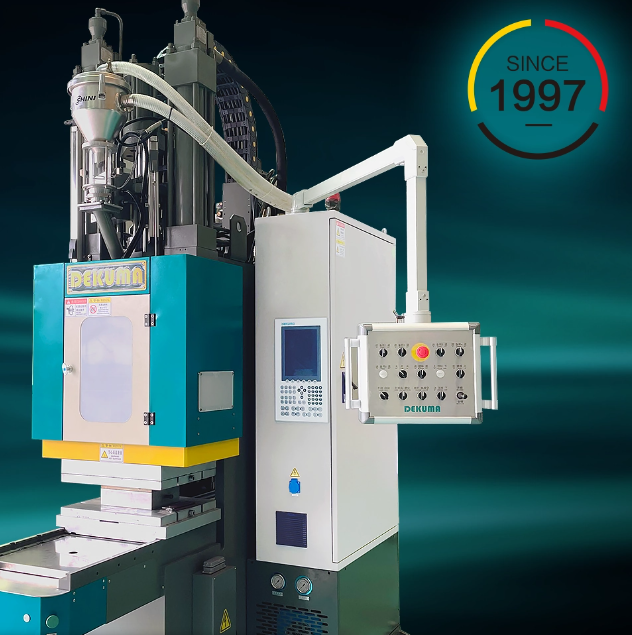
For manufacturers producing automotive seals, power components, rubber tracks, and other industrial rubber parts, supplier selection should begin before purchasing the machine. The right supplier needs to understand how rubber compounds, mold structures, and production requirements influence machine configuration.
When evaluating rubber injection molding machine manufacturers, buyers should examine not only machine specifications but also engineering capability, application experience, and the supplier’s ability to support stable production.
Checklist 1: Verify Experience in Rubber Molding Applications
The first step in supplier evaluation is checking whether the company understands different rubber molding applications. Rubber products vary greatly in structure and production requirements, so a supplier’s industry experience can directly affect the accuracy of equipment recommendations.
For example, automotive sealing parts require precise molding and repeatable production, while larger rubber components such as tracks require strong mechanical structures and stable pressure control. Electrical rubber products may place higher requirements on dimensional accuracy and process consistency.
Application experience is particularly important when products have demanding tolerances, complex mold structures, or high-volume production requirements. A supplier familiar with similar applications can often identify potential process challenges earlier in the equipment selection stage.
A supplier with experience across multiple applications is more likely to understand these differences. Instead of selecting equipment only based on injection volume or clamping force, manufacturers should consider whether the supplier can analyze the complete production process.
This includes evaluating material behavior, mold requirements, production cycle, and quality standards before recommending a machine configuration.
Checklist 2: Examine Machine Structure and Process Control
Machine structure is one of the most important factors when evaluating rubber molding press manufacturers. A well-designed machine should maintain stable operation during repeated production cycles and provide consistent molding conditions.
The clamping system affects mold stability and product accuracy. Sufficient and consistent clamping force helps reduce flash and dimensional variation, especially when producing components with strict size requirements.
The injection system is another key area to review. Different rubber materials have different flow characteristics, and the machine should provide accurate control of plasticization, injection speed, and pressure. Stable material processing helps reduce defects caused by uneven filling or inconsistent curing.
Control functions should also be considered. Operators need clear monitoring and adjustment options when changing molds, materials, or production parameters. This flexibility is especially valuable for manufacturers producing multiple rubber components.
Checklist 3: Evaluate Customization and Engineering Capability
Not every rubber product can be manufactured with the same machine configuration. Product size, mold structure, rubber compound, and production volume all influence equipment requirements.
A supplier with engineering capability can provide more suitable recommendations by considering the complete production process. For example, precision rubber seals may require different configurations from larger industrial rubber parts, even if both products use similar molding principles.
Manufacturers should also consider whether the supplier can support process optimization after equipment installation. During production development, adjustments to injection parameters, mold settings, or curing conditions may be required to achieve the expected results.
With experience in rubber molding equipment development, we at Dekuma focus on matching machine configurations with different application requirements. Our technical approach considers machine structure, core components, and production conditions to support manufacturers with practical equipment choices.
Checklist 4: Review Support During Installation and Production
Supplier evaluation should not end after equipment delivery. Installation, commissioning, and production adjustment are important stages that influence how quickly a machine reaches stable operation.
Manufacturers should check whether the supplier can provide technical guidance for mold testing, parameter adjustment, and troubleshooting. This support becomes especially valuable when producing new rubber components or introducing new materials.
A supplier that understands the relationship between equipment settings and product performance can help manufacturers identify production issues more efficiently. Good technical communication also reduces unnecessary downtime during the early stages of operation.
How to Make the Final Supplier Decision
The right supplier should provide more than a machine quotation. Manufacturers need a partner that understands the challenges behind rubber molding production and can recommend equipment based on actual manufacturing conditions.
When selecting among rubber injection molding machine manufacturers, buyers should compare equipment design, application experience, customization ability, and after-sales support rather than focusing only on purchase price.
At Dekuma, our experience in rubber molding technology helps us understand the requirements of industries such as automotive, power, and engineering vehicles. We focus on equipment design and manufacturing based on product characteristics, helping customers select configurations that fit their production needs.
For companies evaluating rubber molding press manufacturers, the most important consideration is whether the supplier can provide a machine that matches the products, materials, and production goals. A careful selection process can reduce adjustment time, improve production consistency, and create a more reliable foundation for long-term rubber manufacturing.