
Selecting equipment for silicone insulator production requires more than comparing injection capacity or machine specifications. These components are designed to maintain electrical insulation performance under outdoor conditions, including moisture, temperature changes, ultraviolet exposure, and pollution. Their long bodies, multiple sheds, and strict surface requirements create different molding challenges compared with standard rubber parts.
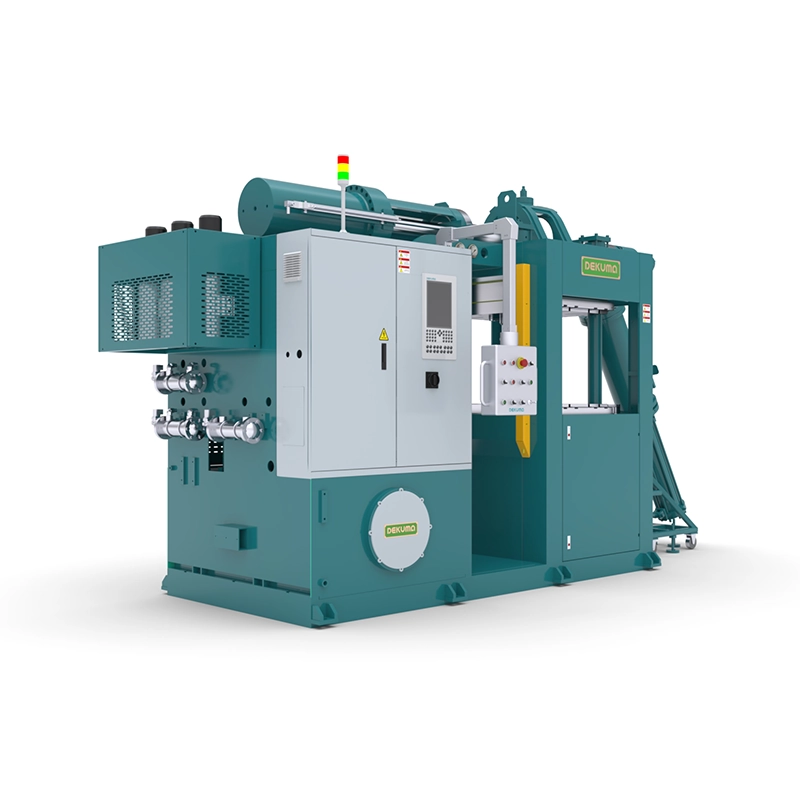
For manufacturers, the key question is not simply whether a machine can process silicone rubber. The focus should be whether the equipment can handle the specific mold structure, material behavior, and production requirements of insulation components. A suitable silicone rubber injection molding machine needs to support controlled material filling, stable molding conditions, and efficient operation throughout the production cycle.
Start Equipment Selection With Insulator Design Requirements
The structure of a silicone insulator directly affects equipment requirements. Unlike compact rubber components, insulators often include extended body sections and multiple shed designs that increase the difficulty of mold filling.
During production, silicone material must travel through complex cavity areas while maintaining uniform distribution. If the filling process is not properly controlled, issues such as incomplete molding, trapped air, or surface defects may occur.
Before choosing equipment, manufacturers should evaluate the relationship between the machine and the mold design. Important factors include mold installation space, accessibility during setup, injection capability, and the ability to maintain stable operation during repeated cycles.
A machine selected without considering the product structure may require additional adjustments during production. This is why the silicone rubber injection molding process should begin with an understanding of the component design rather than only focusing on equipment specifications.
Control Silicone Material Flow During Injection
Silicone rubber has specific processing characteristics that influence how it moves inside the mold cavity. Viscosity, temperature conditions, injection speed, and pressure control all affect material distribution during molding.
For silicone insulators, consistent filling is especially important because the shed structure and surface details must be formed accurately. Variations in material flow may affect product appearance and create differences between components produced under the same conditions.
A well-configured injection system allows manufacturers to adjust processing parameters according to different silicone formulations and mold designs. This flexibility is valuable for companies producing various insulation components with different dimensions or structural requirements.
The relationship between material behavior and machine control determines whether production can achieve repeatable results. The silicone rubber injection molding process depends on coordinated control of injection, molding, and curing stages rather than a single machine function.
Match Machine Structure With Mold Installation Needs
Machine layout is an important factor when producing silicone insulators because the molds used for these components can be large and complex. Efficient mold installation and adjustment can influence preparation time and overall production workflow.
The RA Series Rubber Injection Molding Machine is designed for rubber injection applications where precise molding control and practical operation are required. Its vertical injection molding structure provides convenient access during mold installation and adjustment, making it suitable for manufacturers working with specialized silicone insulation molds.
For companies evaluating a silicone rubber injection molding machine, machine structure should be considered together with mold design. The RA Series supports manufacturers in managing different production requirements by providing a configuration that can be matched with specific product structures and processing conditions.
Beyond physical layout, the connection between the injection unit, mold system, and operating parameters also affects production efficiency. A coordinated setup helps reduce unnecessary adjustments when manufacturers introduce different insulator models.
Evaluate Curing Conditions for Long-Term Product Performance
Injection is only one stage of silicone insulator production. After filling, curing conditions determine important properties such as elasticity, dimensional stability, and surface characteristics.
For electrical insulation applications, curing consistency is critical because the components are expected to maintain performance over long service periods. Temperature distribution, curing time, and pressure conditions need to remain controlled to reduce variations between finished products.
A complete equipment evaluation should include the entire molding cycle. Injection performance, mold compatibility, and curing management all contribute to the final quality of silicone insulation components.
Consider Future Production Changes Before Investment
Silicone insulator manufacturers may need to produce different product designs depending on voltage requirements, installation environments, and customer specifications. Equipment selected for one product type should also be evaluated for future production flexibility.
Factors such as mold replacement, parameter adjustment, and operation convenience can affect how efficiently manufacturers respond to new requirements. A production system that can adapt to different molds and processing conditions can provide greater value over its service life.
With experience in rubber injection molding applications, we consider equipment configuration according to component structure, silicone material characteristics, mold requirements, and production conditions. This approach helps connect machine selection with actual manufacturing needs instead of relying on a standard setup.
Select Equipment Based on Application Requirements
Silicone insulator manufacturing involves the interaction of product design, mold structure, material characteristics, and process control. Equipment selection should reflect these practical factors because each production environment has different requirements.
The RA Series Rubber Injection Molding Machine provides manufacturers with a solution for controlled rubber injection applications, supporting production where mold adaptability, injection performance, and process adjustment are important considerations.
When choosing a silicone rubber injection molding machine, manufacturers need to consider how well the equipment fits their specific products and production goals. With our experience in rubber injection molding technology, Dekuma focuses on connecting machine configuration with real application requirements. This helps manufacturers establish a molding process that supports reliable silicone insulation components. Dekuma continues to provide rubber molding solutions designed around practical manufacturing challenges.