
Rubber Injection Molding Selection Criteria for Insulators, Cable Accessories, Arresters, and Switchgear Seals
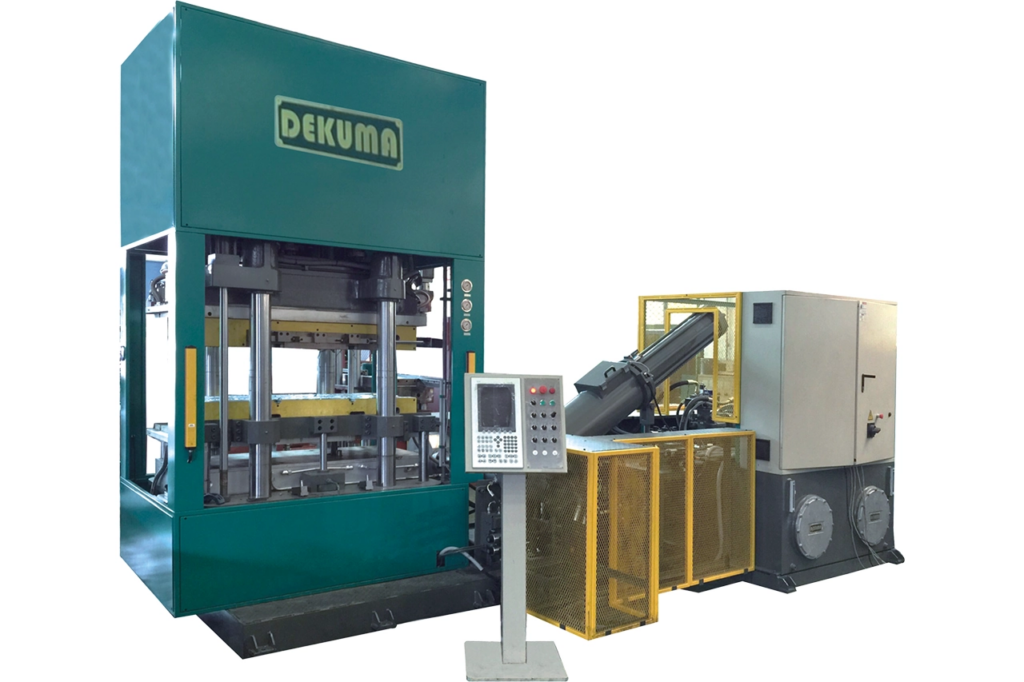
Producing rubber components for power systems requires strict control over insulation performance, sealing accuracy, and dimensional consistency. For manufacturers of insulators, cable accessories, arresters, and switchgear seals, small variations during molding may affect assembly quality and long-term product reliability. These components often operate in outdoor or high-voltage environments where they must withstand temperature changes, moisture, […]
Selection Criteria for Rubber Track Production for Agriculture, Construction, Defense, and Snow Vehicles
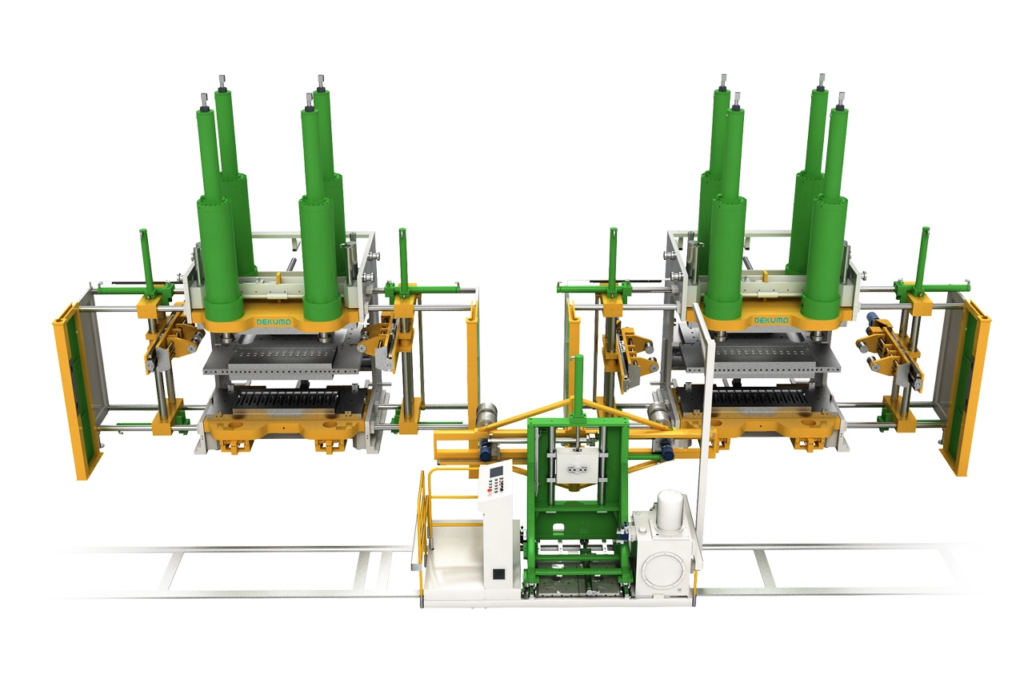
Producing rubber tracks for agricultural, construction, defense, and snow vehicles requires more than selecting equipment with sufficient molding capacity. Manufacturers need a production system that can handle different track structures, maintain consistent rubber distribution, and ensure stable bonding between rubber compounds and reinforcement materials. Rubber tracks operate under demanding conditions, including heavy loads, uneven terrain, […]
How to Evaluate Rubber Molding Press Manufacturers for Quality, Precision, and Technical Support

When sourcing rubber molding equipment, manufacturers need to evaluate more than machine specifications and purchase price. The real challenge is determining whether a supplier can provide stable equipment performance, accurate molding control, and continuous technical support after installation. For companies producing automotive rubber parts, electric power insulation components, engineering vehicle parts, and other industrial products, […]
Glass Molding Machine Selection Criteria for TPV Window Edges and Triangular Window Assemblies
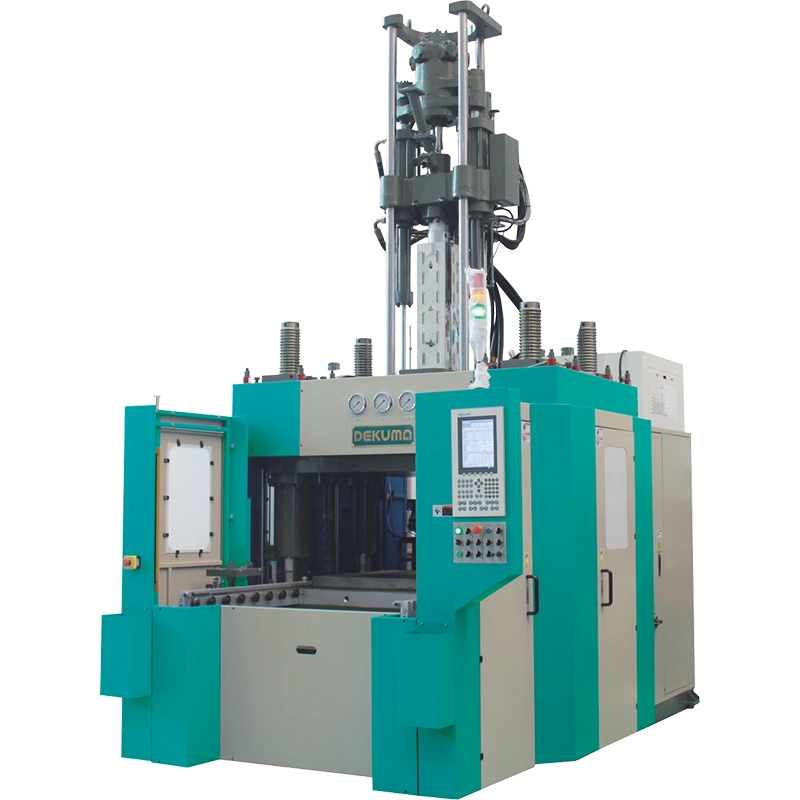
Automotive glass encapsulation requires accurate control of rubber flow, glass positioning, and molding pressure. For manufacturers producing TPV window edges and triangular window assemblies, the challenge is not only forming a rubber profile around the glass insert but also maintaining consistent dimensions and appearance during continuous production. Unlike simple rubber parts, encapsulated glass components combine […]
How to Select a Rubber Injection Molding Machine for HTV Silicone Insulators and Electrical Components
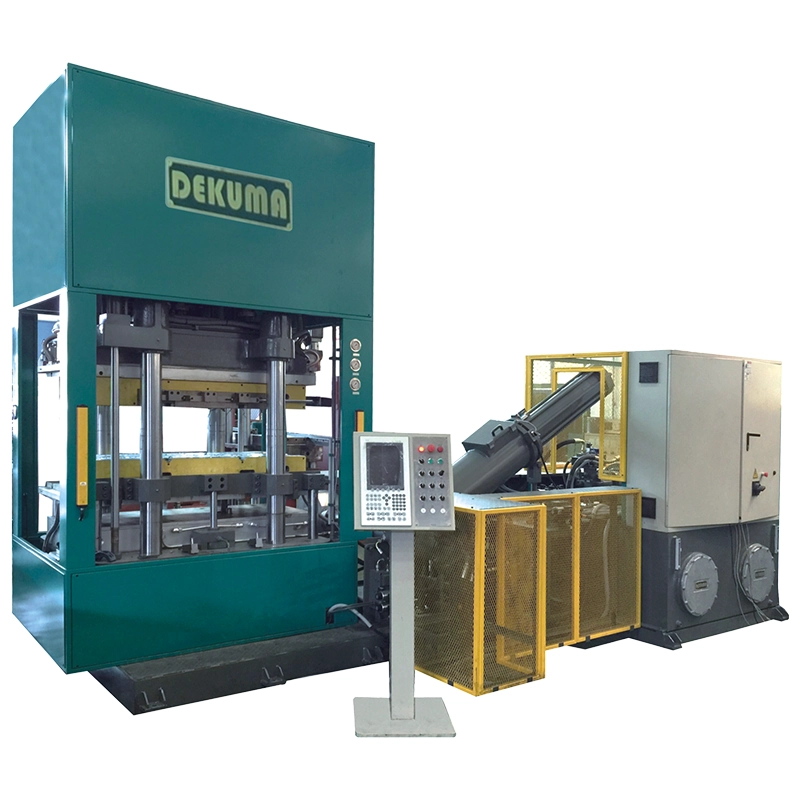
Producing reliable silicone insulation components requires accurate control of material behavior, mold design, and processing conditions. For manufacturers of insulators, bushings, arresters, and switchgear parts, even small variations during molding may influence product quality, including insulation performance, dimensional consistency, and service reliability. High-temperature vulcanized silicone rubber is widely used in electrical insulation applications because it provides […]
C-Frame Press: Selection Criteria for Producing Sealing-Strip Joints, Oil Seals, TPU Parts, and Insert-Molded Components
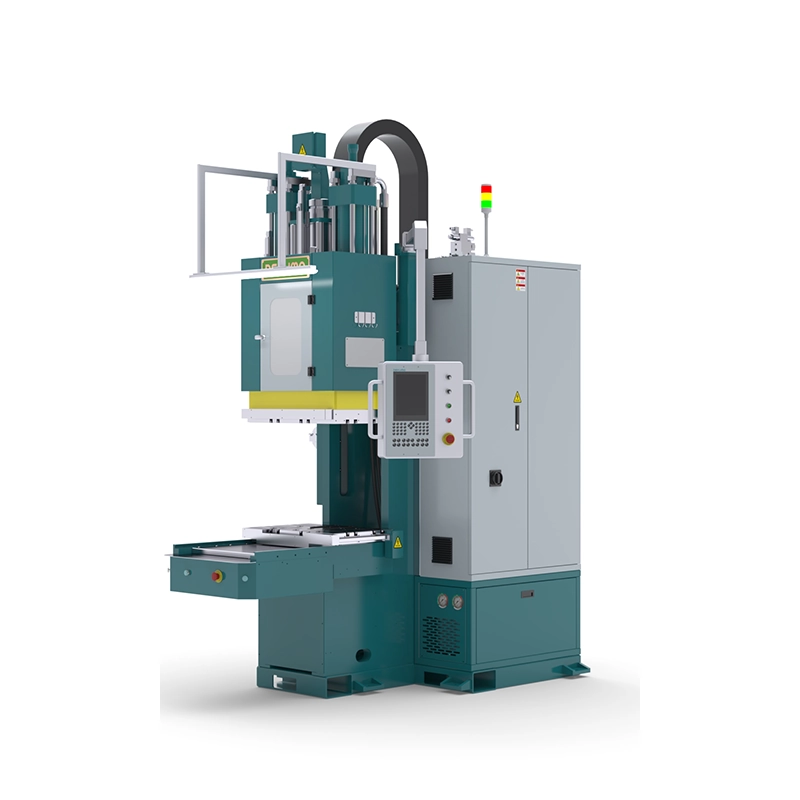
Sealing-strip joints, oil seals, TPU parts, and insert-molded components are different products, but their production processes often involve similar concerns: accurate mold positioning, controlled filling, and efficient operation around the tooling area. A sealing-strip joint needs precise control at the connection section because the molded profile directly affects assembly accuracy. Oil seals require consistent cavity […]
Hydraulic Injection Molding Machine Manufacturer: How to Evaluate Quality, Precision, and Technical Support
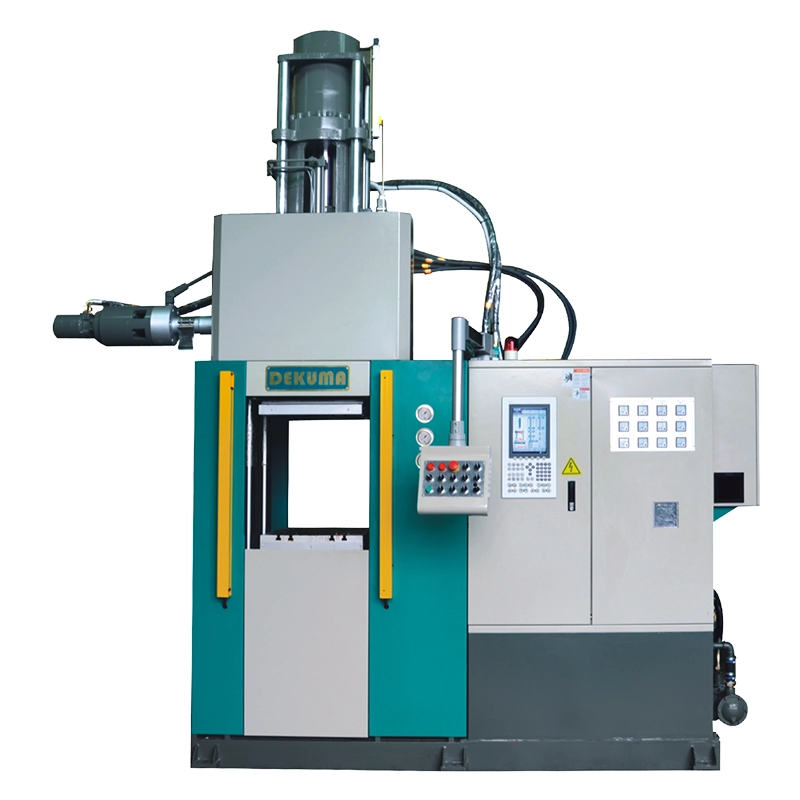
Selecting an injection molding machine requires more than comparing clamping force, injection capacity, or machine size. These specifications show what a machine can achieve under certain conditions, but they do not always reveal how it performs during continuous production. A machine may have sufficient force to close the mold but still struggle with unstable pressure […]
Silicone Rubber Injection Molding: Selection Criteria for Manufacturing Long-Rod Insulators, Hollow Insulators, Arresters, and Cable Accessories
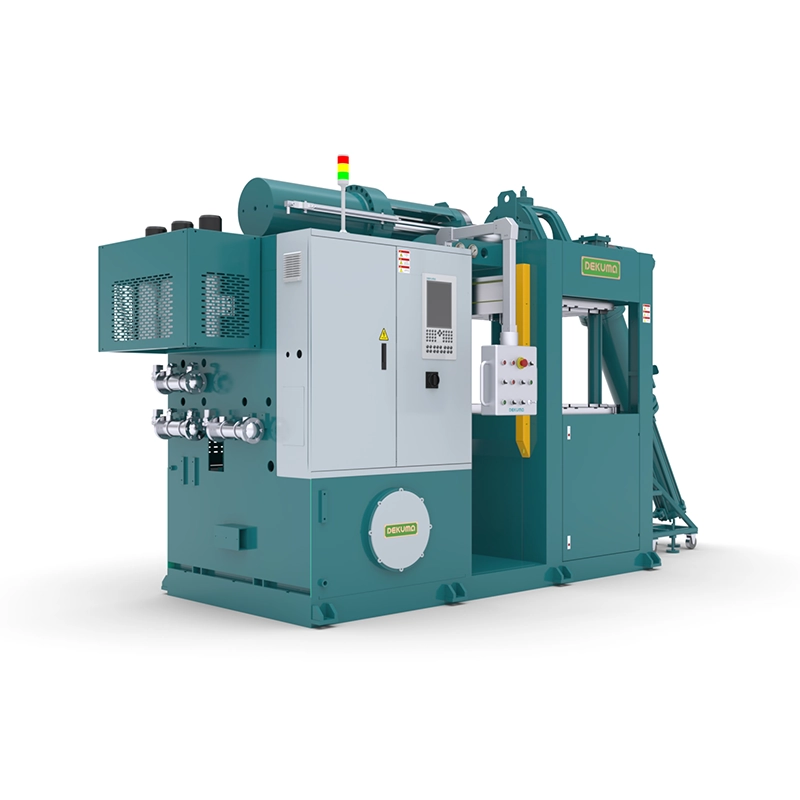
A machine that can produce a compact cable accessory may not be suitable for a long-rod insulator. The difference is not only the product size but also the required injection volume, mold layout, rubber flow distance, and curing conditions. For electrical insulation manufacturers, equipment selection needs to start from the part structure and production requirements. […]
Rubber Track Machines: Selection Criteria for Producing Tracks for Agriculture, Construction, Military Applications, and Snowmobiles
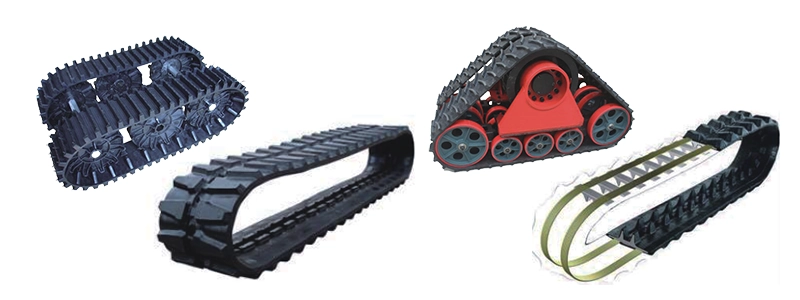
A 300 mm-wide agricultural track and a 900 mm-wide construction track create very different equipment requirements. Mold size, track length, clamping force, steel-cord tension, and vulcanization control all change with the product. The production volume also matters because manual feeding and demolding become increasingly difficult to manage as output rises. For manufacturers comparing a rubber […]