When comparing rubber injection molding machines, manufacturers often start with specifications such as clamping force, injection capacity, and mold size. However, these figures do not always reveal how the machine will perform after installation. In continuous rubber production, hydraulic operation during mold closing, pressure holding, and standby periods can have a direct impact on energy consumption and operating costs.
The challenge is finding equipment that provides enough clamping stability for rubber molding while avoiding unnecessary hydraulic output during each production cycle. This is why the selection of a hydraulic clamping injection molding machine requires a closer look at hydraulic system design, control methods, and actual production conditions.
Evaluate Production Conditions Before Choosing a Machine
The most suitable molding equipment depends on how the machine will be used every day. Production volume, cycle frequency, mold size, and operating time all influence the actual energy requirements of a rubber molding line.
A machine designed for short production runs may have different advantages compared with equipment operating continuously for multiple shifts. For high-volume manufacturing, unnecessary hydraulic output during standby or lower-load stages can gradually increase energy costs.
Manufacturers should review several practical factors before investment:
- How many cycles the machine completes each day;
- How frequently molds are opened and closed;
- Whether products require long curing periods;
- Whether production involves frequent changes between different molds.
These factors help determine whether a machine configuration matches the application. A hydraulic clamping injection molding machine should be selected based on actual production conditions rather than maximum specifications alone.
Compare Hydraulic System Performance, Not Only Machine Power
The hydraulic system directly affects both machine response and energy usage. In many rubber molding applications, the machine does not require the same hydraulic output during every stage of the cycle.
Traditional hydraulic systems may operate with fixed power levels, which can create energy loss when the required pressure or movement is lower. For manufacturers focused on reducing operating costs, the ability to adjust hydraulic performance according to demand becomes an important consideration.
Servo hydraulic technology provides a different method of power management. By controlling motor speed according to actual operating requirements, the system can reduce unnecessary energy consumption while maintaining the hydraulic force needed for molding.
A servo hydraulic injection molding machine is designed around this principle, allowing hydraulic output to better match different production stages. This can be valuable for rubber manufacturers that need both efficient operation and stable molding performance.
Consider Clamping Stability During Rubber Processing
Energy efficiency alone does not determine whether a molding machine is suitable for production. In rubber processing, stable mold locking is equally important because the mold must remain securely closed during injection and curing.
Changes in clamping performance can influence issues such as flash, dimensional variation, and product consistency. These problems may increase material waste or require additional adjustments, reducing the overall efficiency of the production process.
The relationship between hydraulic control and clamping force should therefore be considered together. A machine with responsive hydraulic management can maintain the required locking force while avoiding excessive energy use when full output is unnecessary.
For manufacturers comparing a servo hydraulic injection molding machine, the evaluation should include not only energy consumption but also how the system supports stable operation during repeated molding cycles.
Match RV-SE Series Features With Rubber Molding Requirements
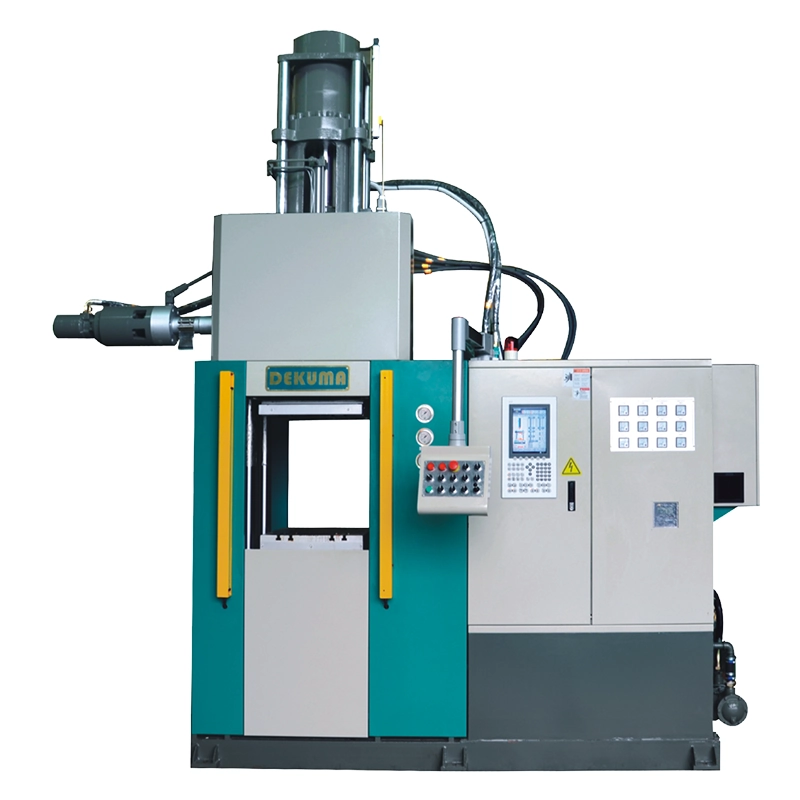
The RV-SE Series Rubber Injection Molding Machine is designed for rubber molding applications where hydraulic efficiency and production stability need to work together. Its servo hydraulic system helps adjust machine operation according to production demand, supporting more efficient energy management during continuous cycles.
For rubber manufacturers, the value of a hydraulic clamping injection molding machine is not limited to the amount of force it can generate. The machine also needs to provide stable mold locking, reliable operation, and suitable control during different production stages.
The RV-SE Series combines servo hydraulic control with a hydraulic clamping structure to support these requirements. This configuration is suitable for applications where manufacturers need to balance energy considerations with the process demands of rubber injection molding.
Review Long-Term Operating Costs Before Investment
The initial machine price is only one part of equipment investment. Over years of operation, energy consumption, maintenance requirements, production efficiency, and downtime can have a greater influence on total cost.
A machine that performs efficiently under real production conditions can help manufacturers reduce unnecessary operating expenses. However, energy savings should not come at the expense of molding stability or product quality.
When selecting a hydraulic clamping injection molding machine, manufacturers should compare how different systems perform under their own production schedules, including cycle frequency, mold usage, and required output.
The RV-SE Series Rubber Injection Molding Machine from Dekuma,we provide an equipment option for manufacturers seeking improved hydraulic efficiency together with reliable rubber molding performance. Through practical experience in rubber injection applications, Dekuma develops machine configurations based on real production challenges, helping manufacturers evaluate equipment choices from both operational and cost perspectives.