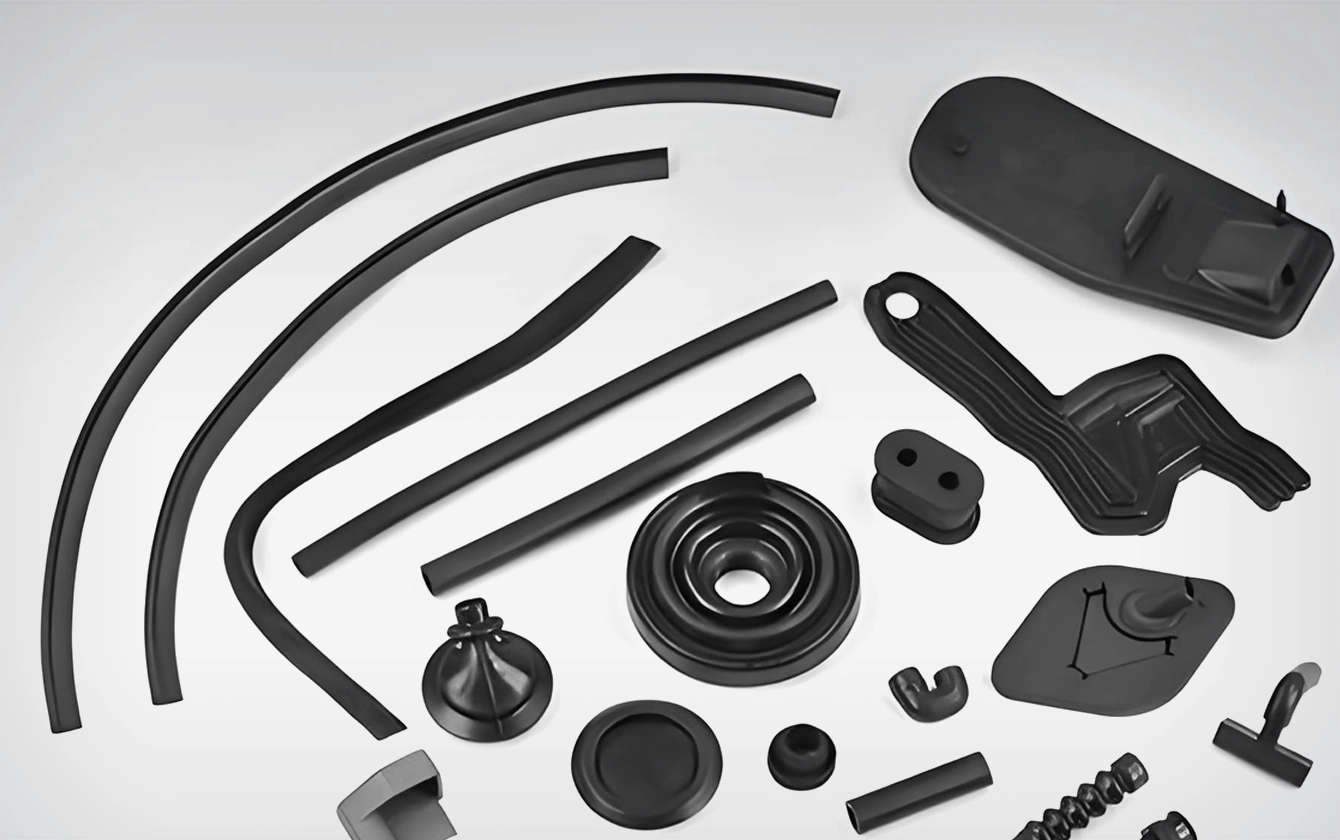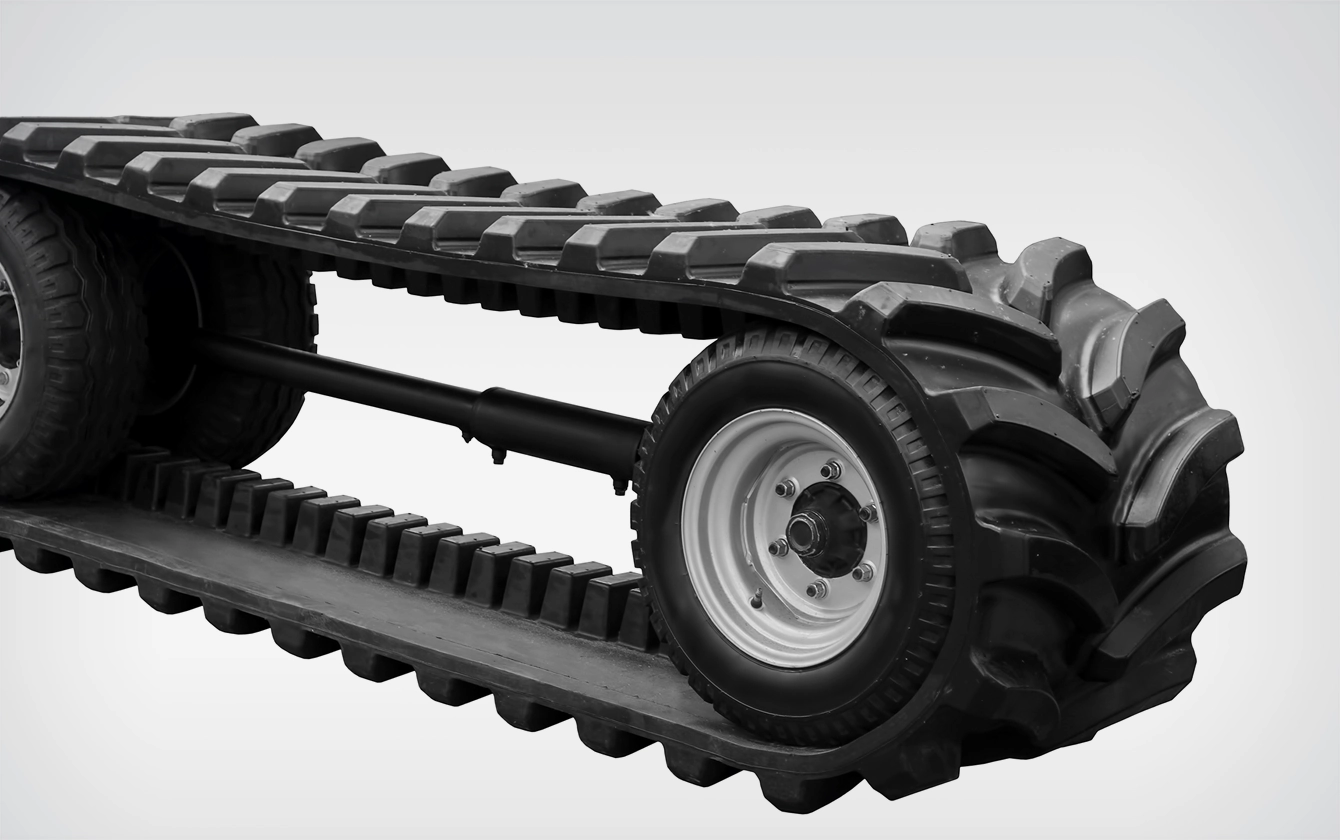
Silicone and EPDM insulation products place high demands on material preparation, large shots, clamping stability, mold access, temperature, and curing. Over time, progress will come from connecting these variables with product and quality context. Smarter silicone rubber injection must reduce preventable variation and waste without hiding the process from operators and engineers.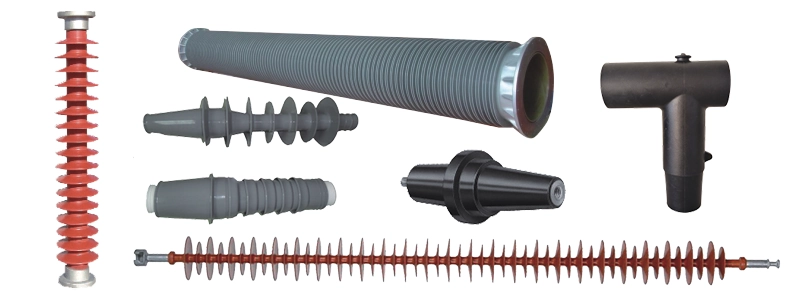
Traceable Material Preparation
The RA plasticizing and injection system uses an enhanced screw design to stabilize feeding, improve homogenization, and support degassing before injection. Next-generation records can connect material batch, storage, preparation, screw feeding, recipe revision, shot values, and inspection results.
This will help teams distinguish a compound or handling change from a machine-control issue when a defect or dimensional shift appears. Material-release rules can become part of the production route. The system may verify approved grade, batch, shelf life, storage history, and preparation status before enabling the selected recipe.
Any override will need to identify the responsible person and affected output. This prevents a material exception from being hidden by later pressure or temperature adjustments and protects the evidence needed for root-cause work. Traceability must include the limits of the data.
Sensor identity, calibration, unit, timestamp, sampling interval, and communication status need to remain visible. A stale temperature or position value must not appear current. For silicone rubber injection, smart analysis may prioritize likely causes, but final adjustments still require validated process limits and engineering review.
Connecting Closed-Loop Control with Quality Evidence
For clamping and injection strokes, non-contact linear transducers close the measurement loop; the published theoretical precision is 0.05%. They support mold-position, shot-size, and switching-point control. Over time, systems may compare stroke and pressure patterns with accepted production, yet theoretical sensor precision does not establish product accuracy.
Mold condition, material consistency, calibration, and measurement uncertainty remain part of the result. Operators set, store, adjust, and monitor critical parameters through an Austrian B&R platform with a 10.4-inch TFT display.
Next-generation interfaces can show the active product, mold, recipe, process state, limits, and required operator action more clearly. User permissions and revision records will need to prevent a troubleshooting change from becoming an undocumented production standard.
Quality-linked analysis can compare injection stroke, switching position, pressure, temperature, cure time, and inspection by product and mold. Correlation must guide investigation rather than prove cause. A mold-heating imbalance, blocked vent, inconsistent compound, or calibration shift may produce similar symptoms.
Controlled trials will need to isolate variables before the approved window is changed. Our work at Dekuma uses the RA Series as the current silicone rubber injection molding machine foundation for that development.
Counting Heat Loss and Rejected Capacity
Under high-pressure and high-temperature conditions, the double-layer thermal-insulation plates limit heat loss; the published energy-reduction figure is about 40%. Lower thermal stress can also support machine reliability. Future reports will need to compare energy per acceptable product, separating heating, injection, curing, waiting, fault, and maintenance states.
The baseline must include product and utilization because long or large insulation parts naturally carry different energy demand. Material loss must be divided among startup, purge, runner and flash, incomplete filling, trapped air, handling damage, and rejected insulation.
A silicone rubber injection molding machine cannot correct every loss through settings. Runner design, venting, mold heating, core support, material preparation, and inspection may be more important. Clear categories direct improvement toward the true constraint.
Next-generation mold monitoring may add zone or cavity evidence where the application justifies it. Measurements by location can reveal a thermal or filling problem hidden by an average.
Added instrumentation brings calibration, wiring, and maintenance demands, so permanent sensors will need to be selected from risk and benefit. The business case should include the inspection time and downtime required to keep those measurements trustworthy. In other cases, periodic mold qualification may remain the more dependable option.
Data-Supported Machine Selection
Published RA injection pressures generally range from about 1,120 to 1,480 bar by model. Across the published range, injection capacity starts at several thousand cubic centimeters and rises to 50,000 x 2 cc, while available clamping force reaches 24,000 kN.
Opening stroke, heating-plate spacing, platen dimensions, hydraulic power, and total installed power depend on insulator size and mold layout. A digital application matrix can check shot volume, clamping, mold envelope, material, product length, handling, and utilities before work is scheduled.
Future simulation may help identify access or capacity questions, but physical trials will remain necessary for new compounds and molds. We can match configurations to geometry, material, tooling, and output and support commissioning, training, and service.
Our future support model can use acceptance records as a shared baseline. When a customer reports drift, service teams can compare machine configuration, recipe revision, component history, alarms, and measured output with the original state.
Better traceability, quality-linked process data, specific waste accounting, and application-aware selection can improve production without turning the machine into an unexplained black box. Smarter functions are useful when they preserve safety, validated limits, and clear human responsibility.
Remote review may need to remain authorized and logged, and the machine must retain local safety and control if an external connection is unavailable. We at Dekuma see transparent, evidence-based control as the direction for silicone rubber injection.