The next generation of rubber-track production must treat material volume, reinforcement, vulcanization time, heavy handling, energy, and traceability as connected operating variables. These foundations show how rubber track solutions inc projects may become smarter while reducing avoidable material, labor, and energy loss.
Product Context Makes Data Useful
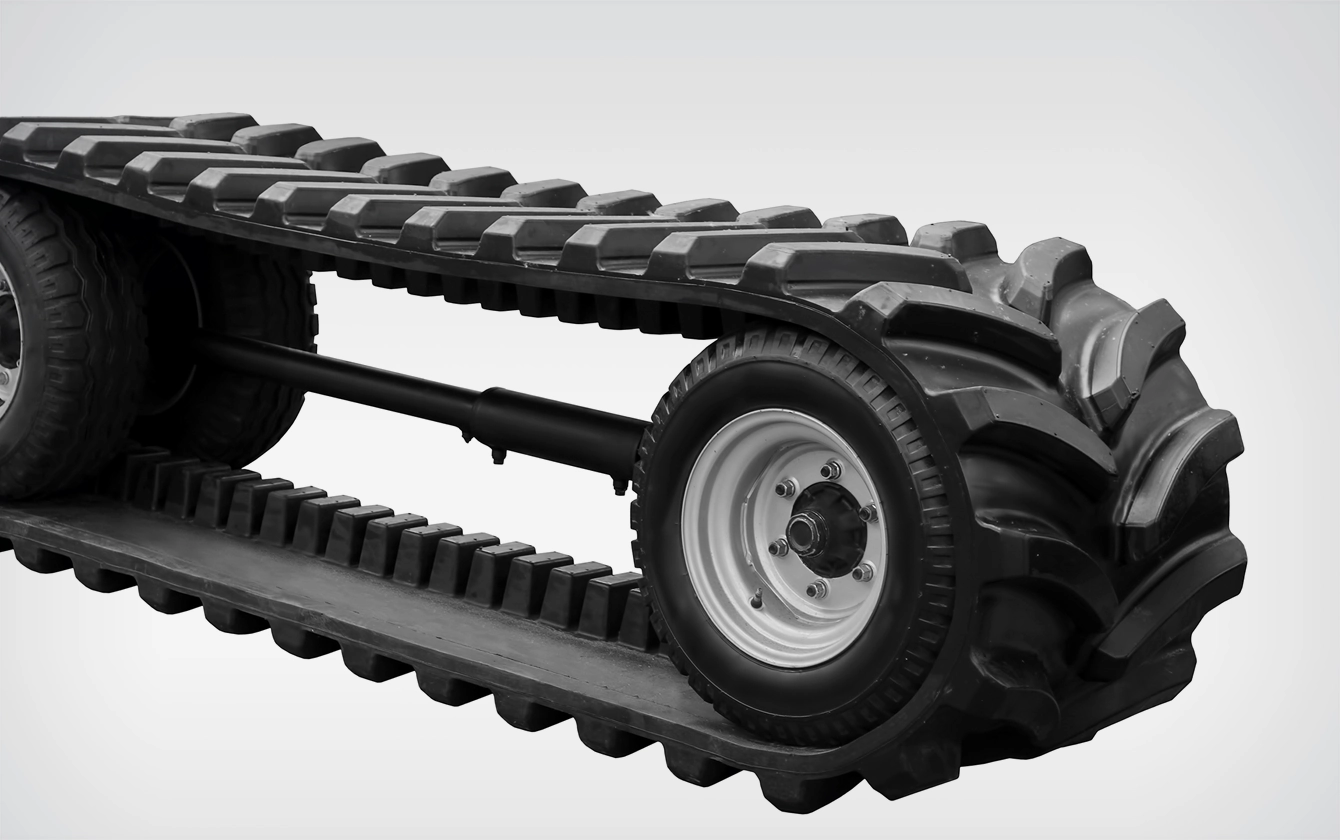
Track design determines which production data matters: duty class changes the required geometry, reinforcement arrangement, mass, tread form, and curing route. Natural rubber is a principal material, but each compound and cord system requires validation.
Over time, production records can connect product, material and reinforcement batches, mold, recipe, machine configuration, operating values, and inspection results. This context helps distinguish product mix from process drift. The iSee intelligent platform can monitor operating conditions and production parameters, while B&R controls manage machine functions.
Next-generation rubber track solutions inc analytics may prioritize unusual conditions, but settings affecting product quality should remain within approved limits and under engineering authority. Reinforcement data will become more important. Cord or steel-belt batch, dimensions, measured tension, placement, mold identity, and track geometry can be linked to the curing record.
In later implementations, sensors may detect developing tension or alignment problems earlier, but they require calibration and protection in the production environment. When a signal is unavailable, the system must not infer that reinforcement is acceptable.
Specific Categories for Waste Measurement
Track loss may arise from material preparation, reinforcement placement, loading, tension, curing, demolding, handling damage, or failed inspection. Energy loss may come from warming, curing, waiting, faults, or unbalanced operations.
Over time, reporting will need to separate these categories and relate them to accepted output. One total cannot reveal whether the next improvement belongs in material, tooling, control, automation, or maintenance. Controlled vulcanization and energy-saving functions during curing already provide a basis for better measurement.
The plant needs to state whether an energy comparison covers the main machine, heaters, handling, cooling, and auxiliaries. It will also need to include rejected tracks. A local energy reduction must not be described as a whole-process improvement if loss has shifted to another stage.
Capacity loss must be analyzed with the same care. Long curing may dominate the route, while preparation, loading, demolding, or inspection can restrict the next cycle. A digital timing model can compare additional molds, handling, or shift patterns against the real bottleneck.
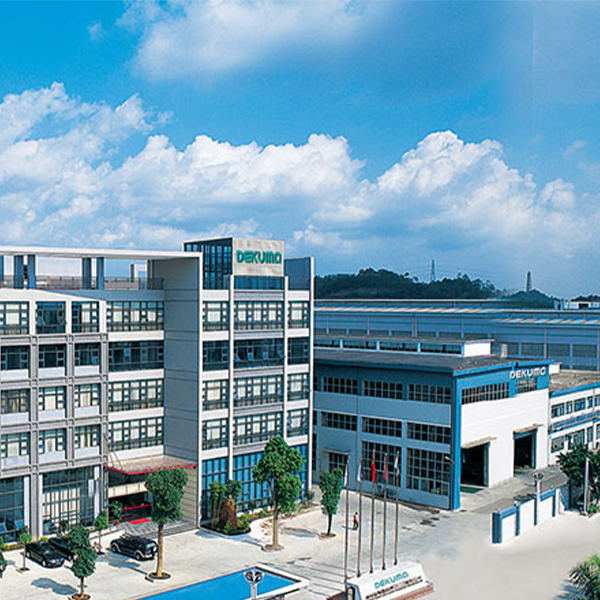
The model needs to include faults and changeovers, since uninterrupted automatic running rarely represents a complete production month. Our rubber track solutions already combine automatic feeding, molding, vulcanizing, handling, demolding, and B&R-based control at Dekuma.
A Staged Route to Automation
Automated handling reduces heavy manual work around loading, mold operation, take-out, and demolding. Future modular interfaces may let a factory begin with assisted handling and expand as volume grows. Each stage needs documented mechanical, utility, safety, and signal boundaries plus acceptance testing.
A future provision is not the same as a validated installed system. Standard interface descriptions can reduce later uncertainty by documenting mounting, utilities, signals, permissions, completion, timeouts, and fault states.
Expansion still needs risk assessment and regression testing because a new device can change guarding, cycle balance, maintenance access, and genealogy. Modular design lowers integration effort only when those dependencies remain visible and controlled. Safe recovery will remain essential.
Incomplete loading, failed reinforcement confirmation, interrupted take-out, sensor loss, utility failure, or a stopped track inside the mold require known responses. The system needs to identify affected output, place equipment in a safe state, and guide authorized recovery. Nominal automatic speed has limited value if minor faults create long or hazardous intervention.
Shared Baselines for Maintenance and Workforce Planning
Machine sizes can be matched to track width, length, mold, and clamping requirements. Next-generation application matrices can prevent scheduling of a product on incompatible equipment. Maintenance records can compare hydraulic response, heating, curing, tensioning, handling, energy, cycle time, and alarms with an accepted baseline.
Sustainability reports may eventually combine rubber and reinforcement yield, accepted output, energy, water or cooling demand, consumables, and planned service. The boundary must be stated and data must be comparable by product.
We expect useful reporting to identify specific losses for action rather than compress every effect into one score that operators and customers cannot verify. Improvement priorities will need to reflect both frequency and consequence.
A small recurring trim loss may justify a material-control project, while an uncommon reinforcement or curing fault can deserve earlier attention because it consumes an entire track and a long machine cycle. Product-level records make that distinction visible.
The resulting priorities can be reviewed against measurable yield and uptime results. Operators need clear state and recovery guidance; maintenance teams need test points, backups, and component history; engineers need recipe and quality relationships.
Smarter control will need to strengthen the relationship among material, reinforcement, mold, curing, handling, and inspection. Keeping these elements visible allows projects associated with rubber track solutions inc to reduce waste without making recovery or maintenance more complex.
We provide configuration, installation guidance, training, and technical assistance for different track types and volumes. Customer references in China and overseas add context, while project-specific validation remains necessary. Our future rubber track solutions direction at Dekuma combines specific loss accounting, staged automation, and explainable production evidence.