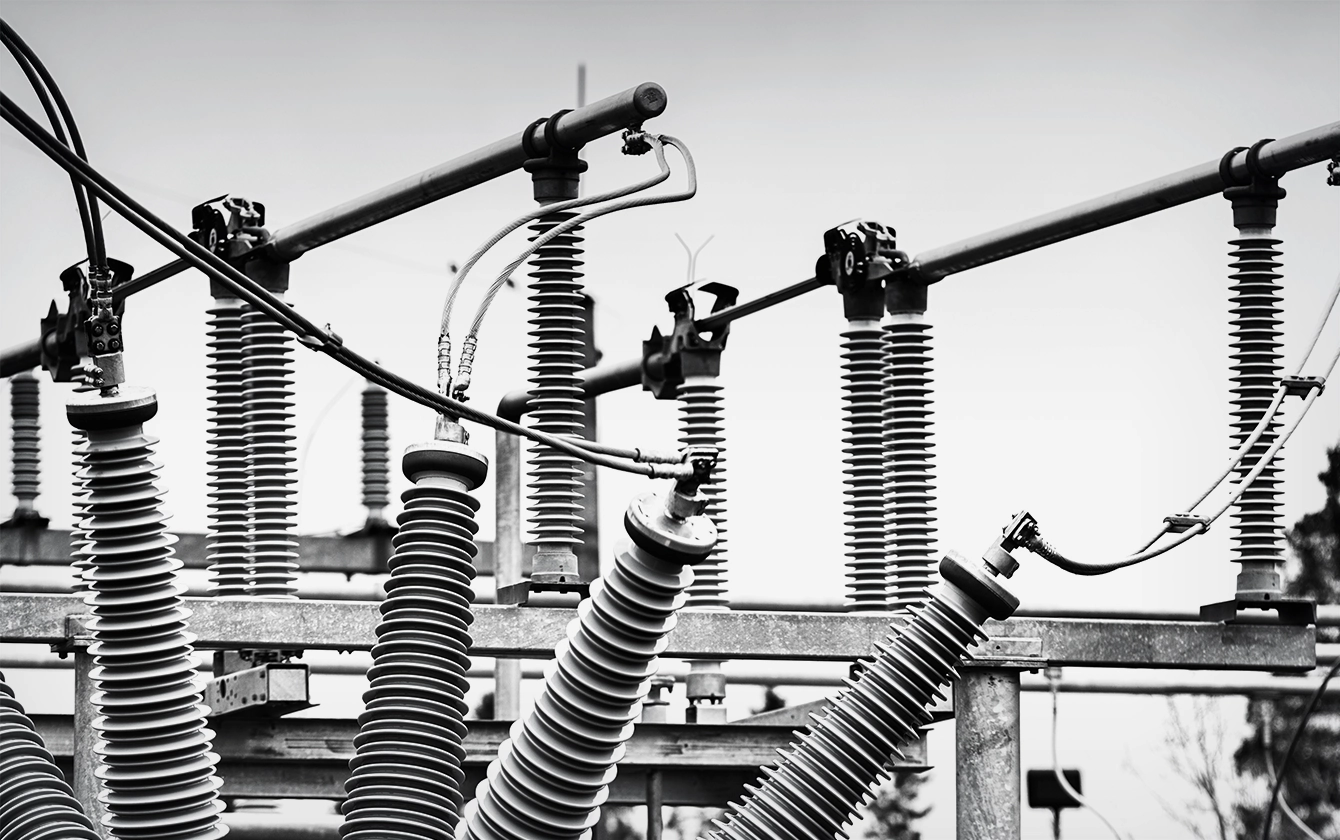
Large HTV silicone insulation products require high shot volumes, long molds, stable material preparation, controlled clamping, and safe access. Future development must make these demanding processes easier to verify and maintain. These functions indicate how the future insulator making machine can become smarter and less wasteful.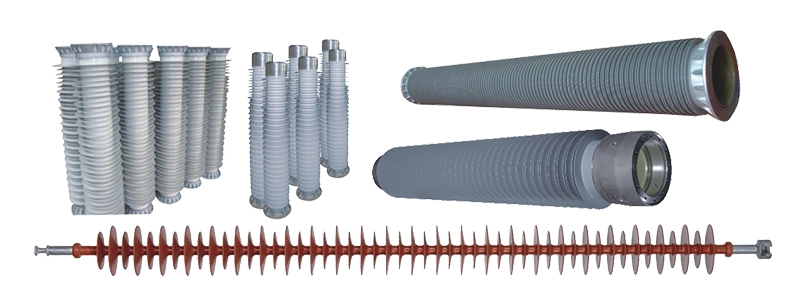
Data-Supported Handling for Large Molds
The top-opening structure reduces operating height and improves access to large molds. The block-type clamping unit centers mold weight and automatically locks when the opening limit is reached, protecting mechanical, hydraulic, and electrical components. Hydraulic blocks adjust mold height during mold changes.
Future systems can record mold identity, weight, height setting, locking state, and approved handling route before production begins. Smart scheduling can use this application data to prevent an incompatible product or mold from being assigned to the machine.
An insulator making machine still requires engineering review of lifting, core support, access, utilities, and safety. Digital checks should support that review, not create confidence from an incomplete model number or product label. Core and insert genealogy can become part of this handling record.
Identification, dimensions, surface condition, support points, and inspection status may need confirmation before the mold closes. Next-generation systems can prevent a known mismatch from entering the cycle and retain any authorized override. This is more useful than discovering after curing that the correct machine ran the wrong core or setup.
Linking Material and Injection Control with Quality
The RT plasticizing and injection systems are optimized for screw feeding, homogenization, and removal of trapped air. In later implementations, records can link material batch and preparation with recipe revision, injection values, clamping, temperature, cure time, alarms, and inspection.
This context helps teams distinguish compound, mold, machine, or handling influences when a defect appears. Material-release data can include grade, batch, shelf life, storage, preparation, and approval. Trapped air or feeding variation may resemble an injection-control problem, so the diagnostic view must keep material evidence beside machine traces.
Analysts can use correlations to prioritize trials, but the root cause may need to be confirmed before a validated recipe or component is changed. Critical parameters are managed through an Austrian B&R platform and its 10.4-inch TFT color display.
Future interfaces can present active product, mold, recipe, process state, limits, and required action clearly. Trend analysis may identify deviation from accepted cycles, but automatic changes need defined authority. An HTV silicone insulators injection machine may need to preserve the validation history behind every released recipe.
Capacity and Curing in Waste Accounting
Published RT560, RT1100A, RT1200B, and RT1500 configurations list 1,200 bar injection pressure. Injection volumes extend from about 13,000 cc to 40,000/50,000 cc, clamping forces range from 5,600 to 15,000 kN, and opening strokes range from 700 to 1,600 mm.
System pressure is 210 bar, while machine weight and hydraulic, heating, and total power increase with size. Next-generation selection tools can connect these parameters with product length, shot calculation, mold dimensions, and handling.
Oversizing can add capital and energy demand, while insufficient capacity can compromise access or process stability. Energy should be reported per acceptable insulation product and separated into warming, injection, curing, waiting, fault, and maintenance states rather than interpreted from installed power alone.
Material waste also deserves detailed categories. Startup and purge, runner or flash, incomplete filling, trapped-air defects, handling damage, and rejected electrical or dimensional tests have different causes. A future insulator making machine can help preserve the relevant cycle evidence, while the factory’s quality system determines acceptance.
Lower waste requires both sides of that relationship. Our RT HTV silicone insulator injection machine configuration at Dekuma includes top-opening access, block-type clamping, mold-height adjustment, and B&R control.
Traceable Baselines for Automation and Maintenance
Large cores, molds, and parts need controlled support, confirmation, guarding, and recovery. Future automation will need to identify missing cores, incorrect mold position, failed transfers, or interrupted cycles and isolate affected output.
The expected safe state, message, operator action, and retained record should be validated during commissioning, not invented after a production stop. Maintenance access must be considered during automation design.
Locking, mold-height blocks, hydraulic components, sensors, heating, material systems, and safety devices need inspection points and controlled isolation. Additional automation cannot obstruct the tasks required to keep the base machine reliable. Time for these inspections belongs in the capacity model and lifecycle cost.
We expect the most useful future systems to schedule this work from the condition and production context while leaving final maintenance decisions traceable to responsible personnel. Maintenance can compare hydraulic response, injection behavior, heating, mold-height devices, locking, sensors, cycle time, energy, and alarms with acceptance records.
Smarter control may need to help people see why a cycle changes and which action is justified. Connecting capacity, material, mold handling, energy, and maintenance makes lower waste compatible with product traceability and equipment reliability.
A common change record is needed to connect software releases and recipes with backups, component replacement, and calibration. We support configuration, installation, training, spare-parts planning, and ongoing technical assistance for HTV insulation projects. For the next insulator making machine, our priority at Dekuma is to combine robust large-format mechanics with transparent process evidence.