
Cold Runner Systems in Rubber Molding: Applications, Benefits, and Key Considerations
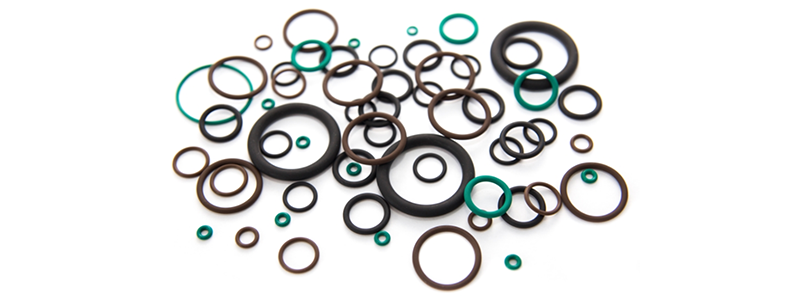
Runner design has a direct effect on material use, filling balance, cycle conditions, and mold complexity in rubber production. A cold runner keeps runner material below the main curing condition so that more of it can remain processable instead of becoming cured waste. A useful assessment connects a cold runner system with material use, equipment cost, […]
EPDM Rubber Injection Molding: Materials, Process Requirements, and Applications
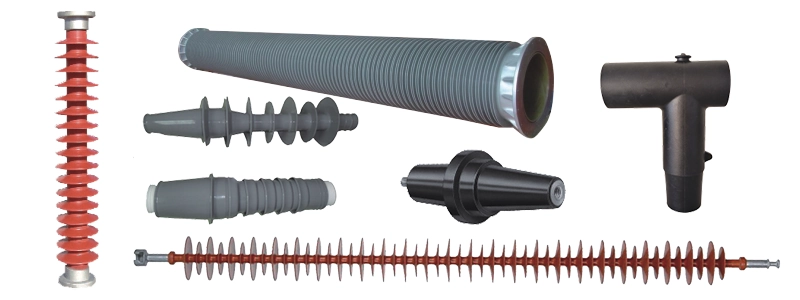
Material selection determines much of the molding process, but the machine must translate compound behavior into controlled feeding, injection, clamping, temperature, and curing. EPDM is widely chosen where weather, ozone, heat, or electrical-insulation performance matters. Application fit, cost drivers, and technical verification form the three practical tests for EPDM rubber injection molding. Where Is EPDM […]
Custom Rubber Injection Molding: What Buyers Should Know Before Production
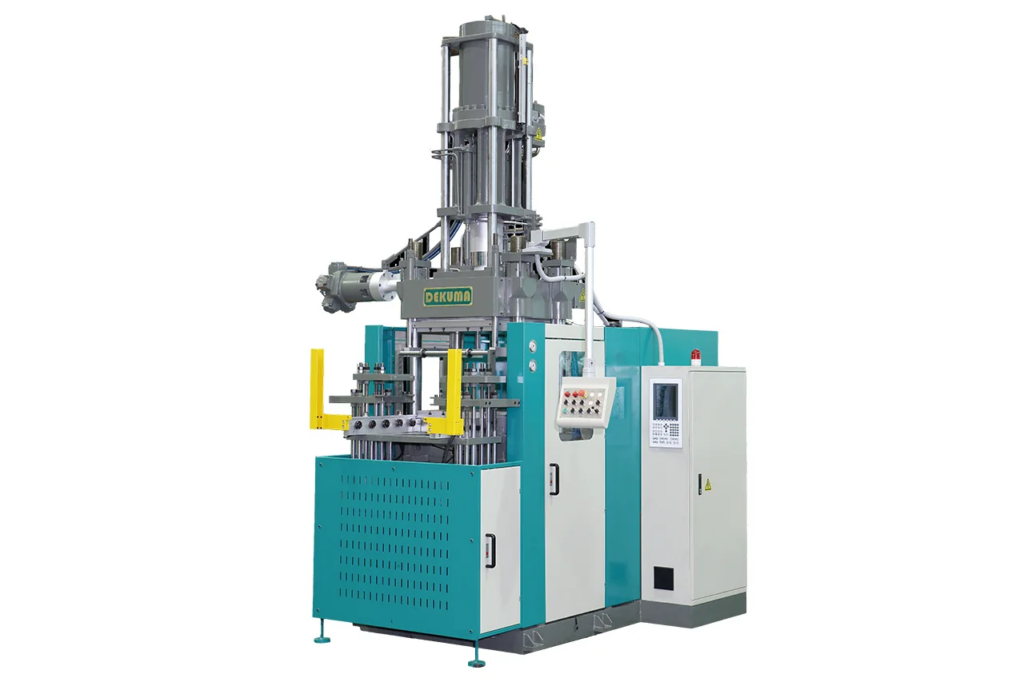
Custom equipment is justified when a standard press cannot meet an important product, material, mold, handling, or factory requirement. The word custom may need to describe a testable engineering response, not an undefined collection of options. The questions below help buyers define the scope, cost boundary, and acceptance criteria for custom injection molding. When Does […]
Rubber Injection Moulding Machines: Answers to Common Buyer Questions
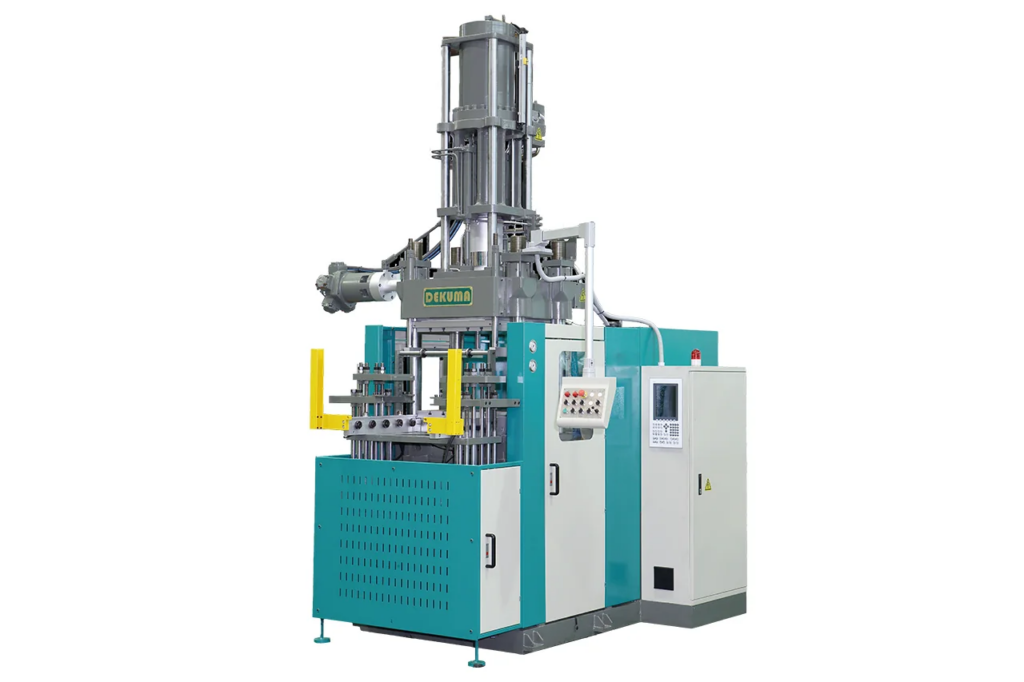
A rubber molding project raises connected questions about capacity, compound processing, tooling, automation, utilities, maintenance, and support. Answering only the purchase-price question can produce an unsuitable comparison. Cost, application fit, and lifecycle requirements provide the framework for evaluating a rubber injection moulding machine. What Determines the Cost of a Rubber Molding System? Cost depends on […]
Rubber Injection Machine Manufacturers: What to Compare Before Choosing a Supplier

Industrial buyers rarely obtain dependable value by comparing rubber presses on clamping force and price alone. The machine has to fit the compound, part, mold, output target, factory layout, and available skills. A useful comparison of rubber injection machine manufacturers should therefore examine how customization, automation, commissioning, and long-term support work together. Compare Customization through Engineering […]
Automotive Rubber Components: Integrating Material Control, Molding, and Automated Handling
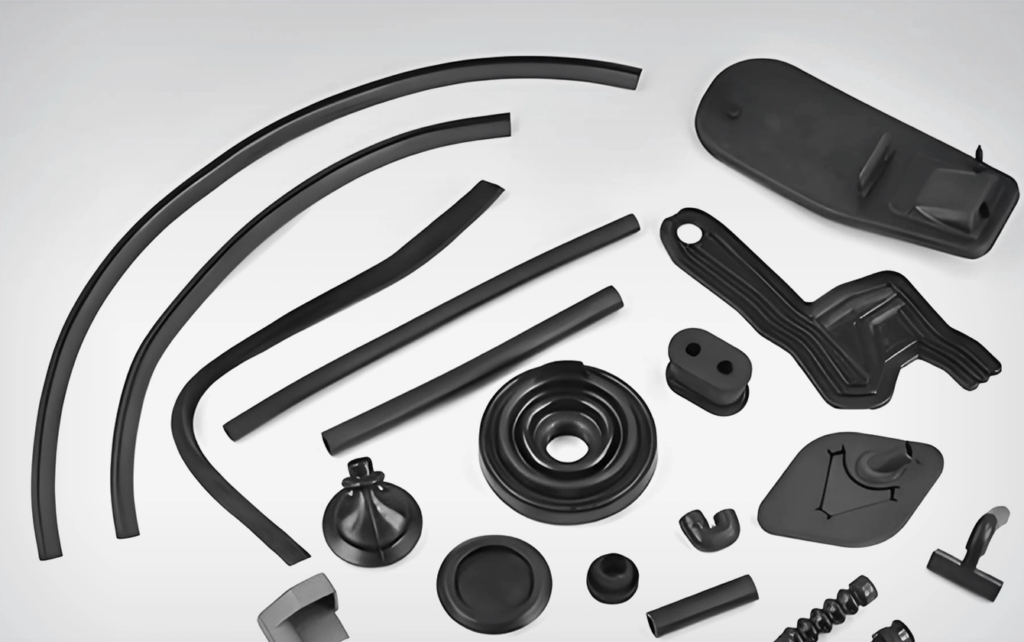
Automotive rubber factories may produce sealing strips, gaskets, anti-vibration parts, oil seals, O-rings, connectors, glass encapsulation, and TPU components within one operation. These products do not share a single material route or machine layout. MES and automation planning must connect every automotive rubber molded component to the right material, mold, platform, recipe, and quality plan. […]
Rubber Injection Molding for Power-Industry Insulation: Machine Selection and Production Data

Power-industry rubber products range from cable accessories and switchgear parts to long-rod and hollow-core insulators. Their differences in length, shot volume, mold layout, and compound behavior make one standard digital recipe impossible. Connecting injection molding rubber equipment to an MES begins with selecting the right machine architecture and defining which process records support quality, […]
How Rubber Tracks Are Made: From Reinforcement Preparation to Final Inspection
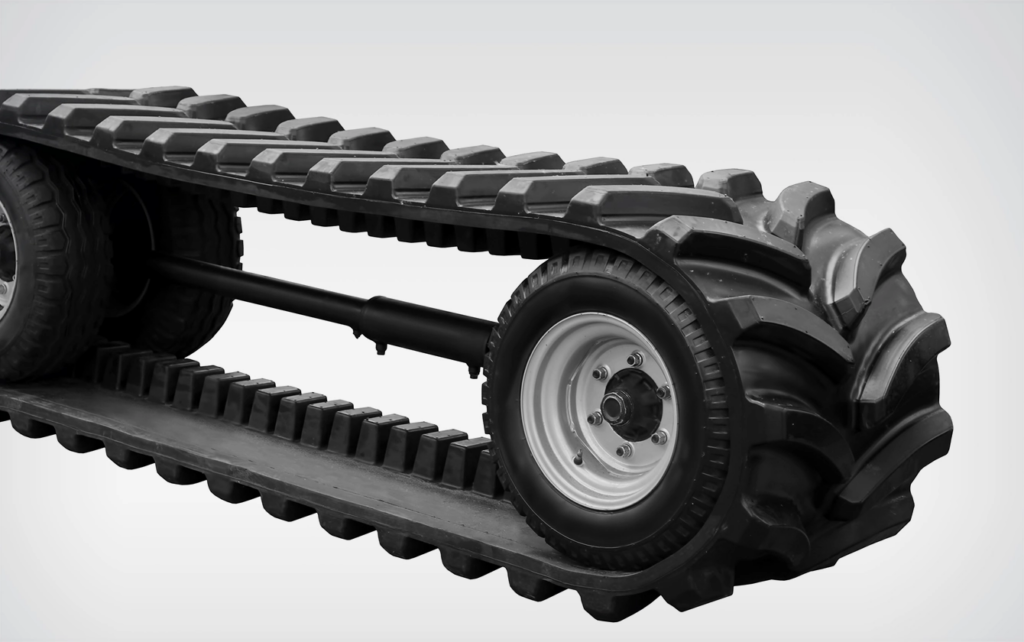
A rubber-track project joins material preparation, reinforcement placement, molding, long curing cycles, heavy handling, and final inspection. Connecting the line to production management is valuable only when these stages are represented accurately. For projects framed around rubber track solutions inc, planning begins with the track, process, and factory workflow before dashboards or automation devices are […]
Rubber Injection Molding Supplier Selection: A Practical Guide to Engineering, Testing, and Support

Purchasing a rubber injection molding machine is a long-term production decision rather than a comparison of catalog capacity. The selected supplier must understand the part, compound, mold, automation scope, commissioning path, and support expectations. This checklist explains how buyers can assess rubber-machinery suppliers on a consistent basis. Verify Corporate Scope and Engineering Responsibility The first […]