
Rubber Track Solutions: Production Requirements for Agricultural, Construction, and Other Vehicles
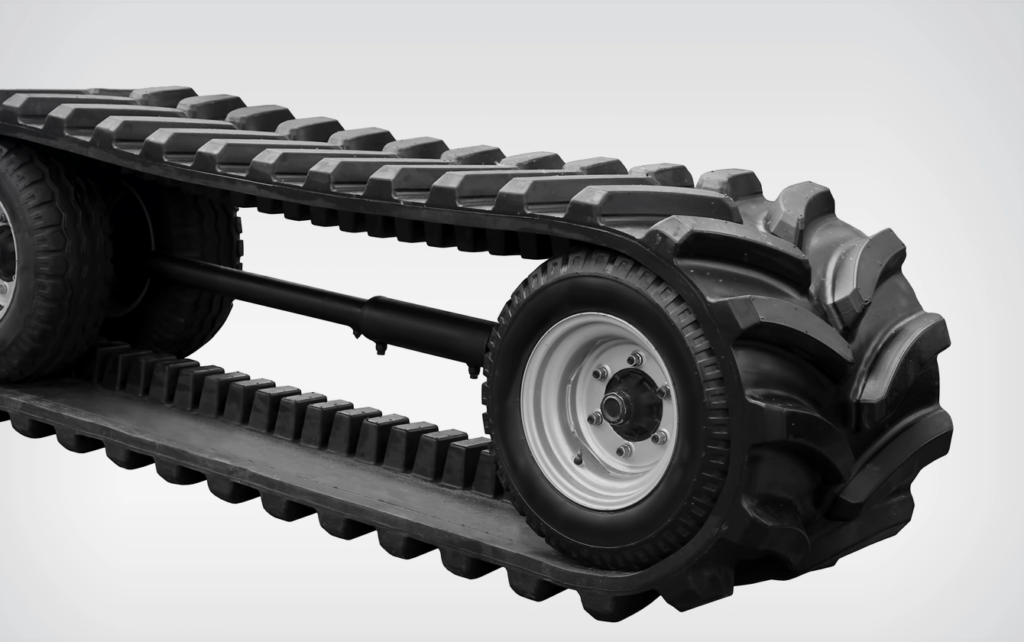
Long curing cycles and heavy parts make coordination among material, reinforcement, molds, handling, and inspection essential in rubber-track equipment. The appropriate configuration differs with the vehicle, track dimensions, production volume, and factory workflow. Cost, capacity, automation, and support offer four practical dimensions for evaluating rubber track solutions. Which Application Data Should Be Provided First? Track […]
Choosing a Liquid Silicone Rubber Injection Molding Company: Capabilities and Support to Compare

Liquid silicone rubber production demands coordinated dosing, mixing, injection, mold temperature, handling, and validation. Selecting a supplier therefore requires more than confirming that a machine can inject LSR. This comparison explains how buyers can assess a liquid silicone rubber injection molding company through customization, automation, and lifecycle service. Compare Customization by Process Responsibility A project […]
Glass Injection Moulding for Automotive Parts: Process and Equipment Considerations
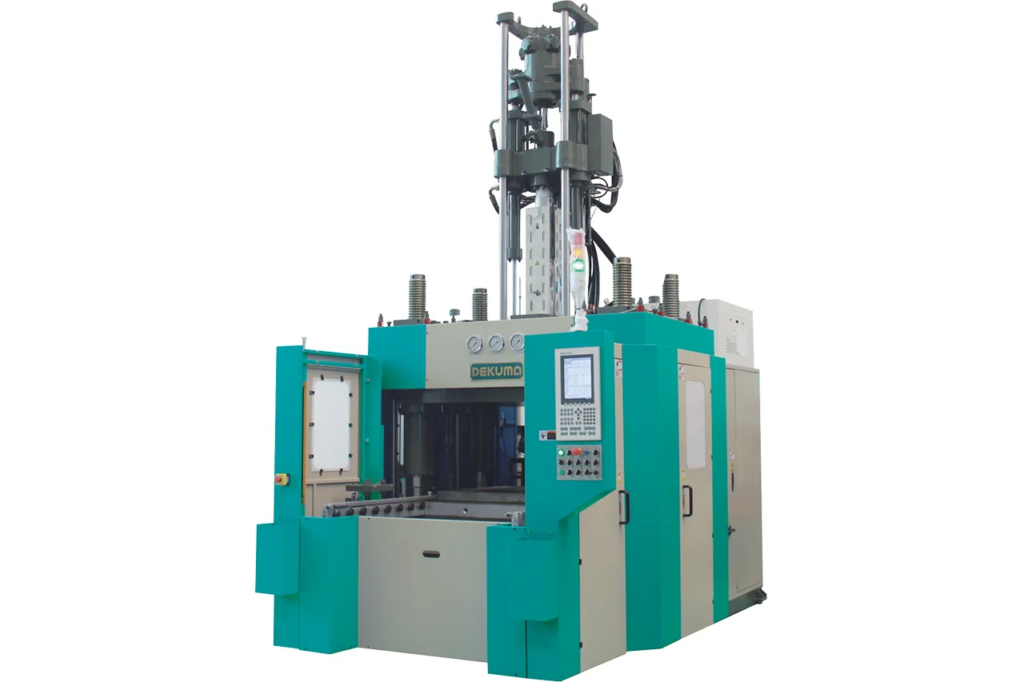
Accurate positioning of a large and fragile glass insert is the starting condition for injecting TPV around an automotive window edge. Machine capacity, handling, tooling, and process control must therefore be evaluated together. Cost, application scope, and qualification evidence are the main questions surrounding glass injection moulding. Which automotive glass applications fit this process? Automotive […]
How Are Automotive Sealing Strip Corner Joints Molded? Inside the Rubber Injection Molding Process
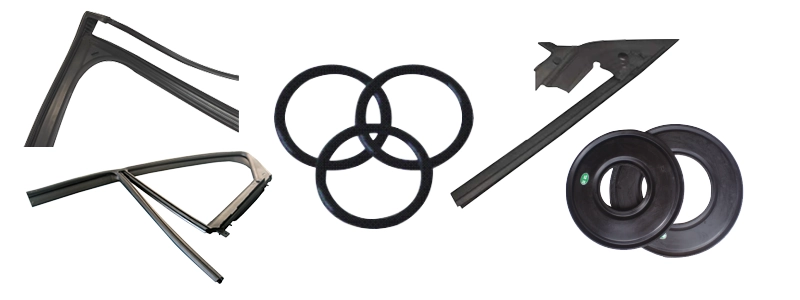
Automotive weatherstripping does far more than finish the edge of a door or window. It helps protect the cabin from water, dust, wind, heat transfer, and unwanted road noise. For vehicle manufacturers, a reliable sealing system is therefore closely connected to occupant comfort, durability, appearance, and NVH performance. However, long extruded rubber strips alone cannot […]
B&R Control Systems in Rubber Molding: Functions, Data, and Production Management
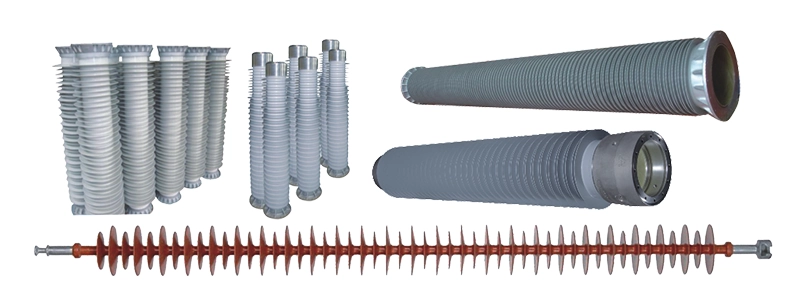
Machine controls coordinate recipes, movements, pressure, temperature, timing, alarms, and operator interaction. Their value lies in repeatable production and diagnosable behavior, not in the screen brand alone. Buyers need to examine control scope, validation, access, and support when a B&R platform is used with an HTV silicone insulator injection machine or other demanding equipment. What […]
C-Frame Power Press Machines: Applications, Configuration, and Selection Guide
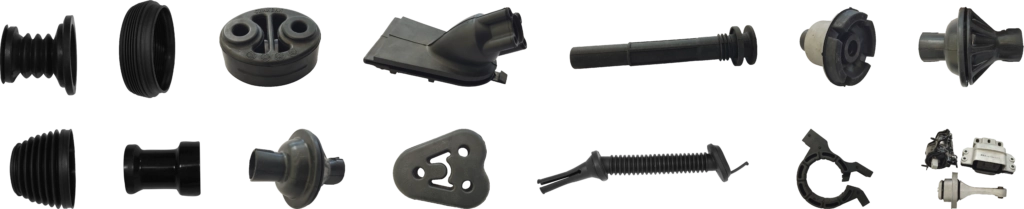
C-frame equipment provides three-sided mold access, making it useful where inserts, profiles, tooling, or automation need an open working area. That accessibility must still be combined with accurate dosing, suitable clamping, safe guarding, and repeatable handling. Applications, cost drivers, and qualification needs determine whether a c-frame power press machine fits a production plan. Which Products […]
Hydraulic Clamping in Rubber Injection Molding: How It Works and What to Consider
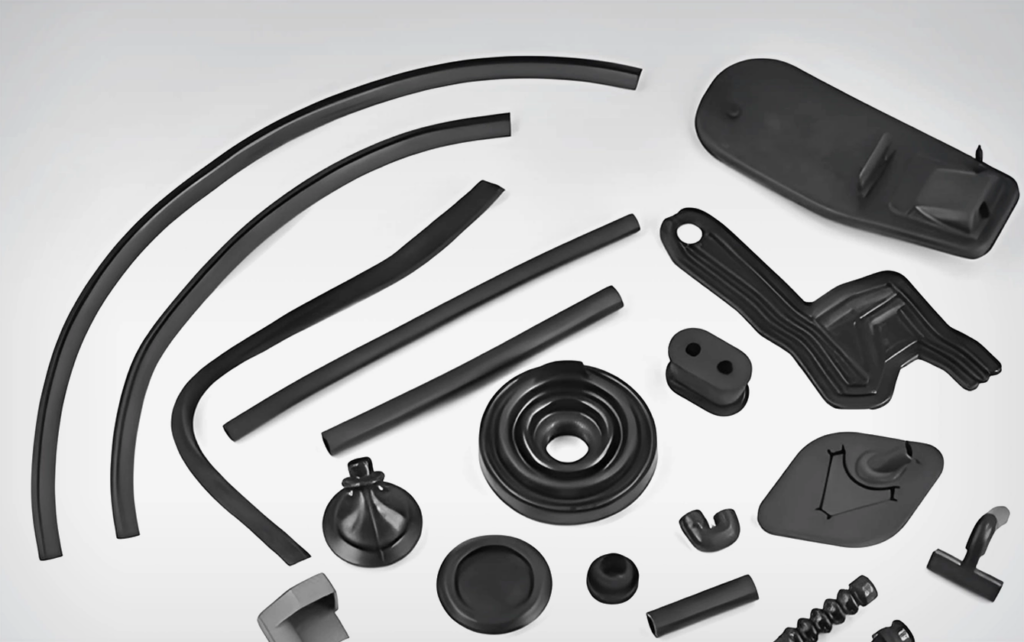
Hydraulic clamping remains valuable in rubber molding because it can deliver controlled force across injection, mold protection, curing, and opening stages. Its economics depend on how pressure and flow are produced during the real cycle. Assessment of a hydraulic clamping injection molding machine must connect application fit with energy evidence and lifecycle support. Where Does […]
Silicone Rubber Injection Molding: Process Steps and Production Considerations
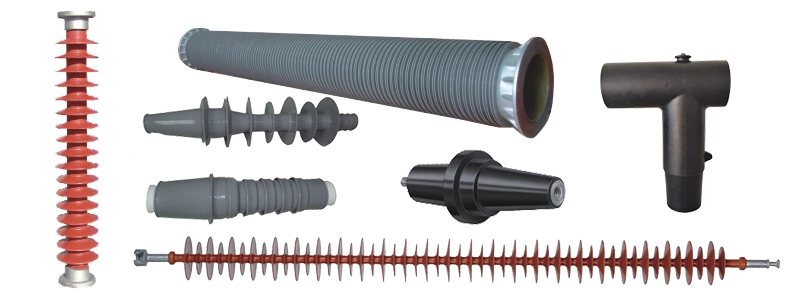
Silicone rubber injection for electrical insulation requires stable material preparation, accurate shot control, strong clamping, thermal management, and safe access to substantial molds. These requirements influence both equipment scope and operating economics. The main applications and qualification steps provide a practical route for assessing a silicone rubber injection molding process. Which Products and Materials Does […]
Rubber Track Manufacturing Process: Key Stages, Equipment, and Production Requirements
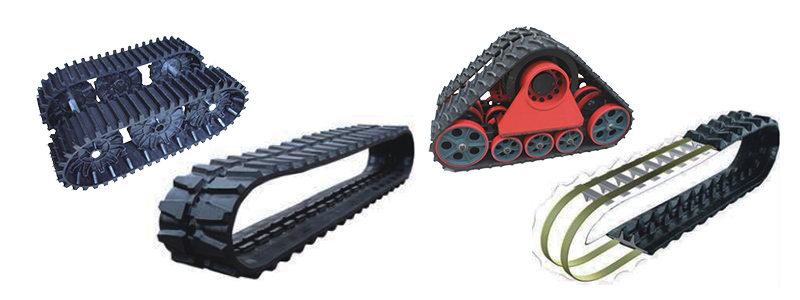
From compound preparation to final inspection, rubber-track production moves through reinforcement placement, molding, vulcanization, and heavy handling. Equipment cost cannot be assessed responsibly without considering how these stages interact. A reliable rubber track manufacturing process can be assessed through its applications, cost drivers, and technical requirements. Which Applications and Product Details Define the Line? Agricultural, […]