
Automotive Glass Encapsulation: Process Control, Traceability, and Large-Window Handling
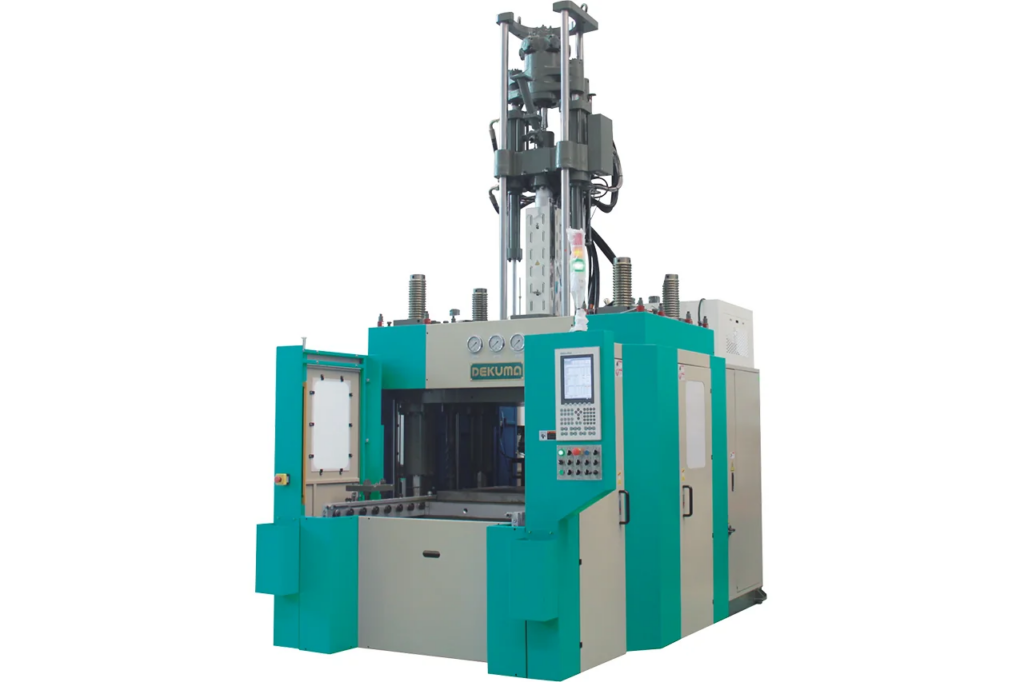
Automotive glass encapsulation brings a large, fragile insert into a molding cell that must control shot size, clamping, material condition, and handling with care. The digital layer must reflect those physical demands. A rubber injection molding machine for auto glass encapsulation may need to generate dependable records that help production teams coordinate recipes, glass identity, […]
HTV Silicone Insulator Manufacturing: Managing Large Molds, Material Preparation, and Curing
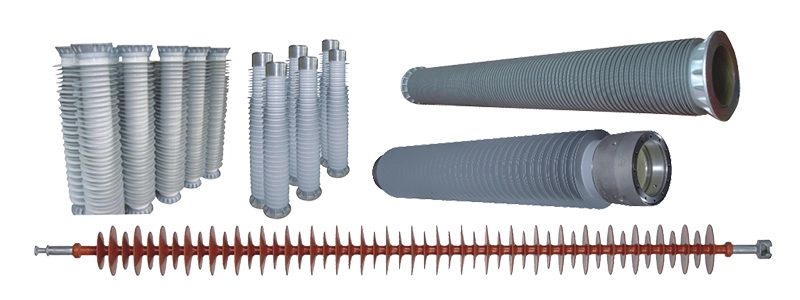
Electrical-insulation parts require more than high machine capacity. Long geometry, substantial shot volumes, heavy molds, material preparation, controlled curing, and safe handling must operate as one coordinated process. A production line built around an HTV silicone insulators injection machine can then supply dependable recipe, position, pressure, temperature, timing, and status data. Start with the Physical Demands […]
C-Frame Rubber Molding: Designing Accessible and Automated Production Cells
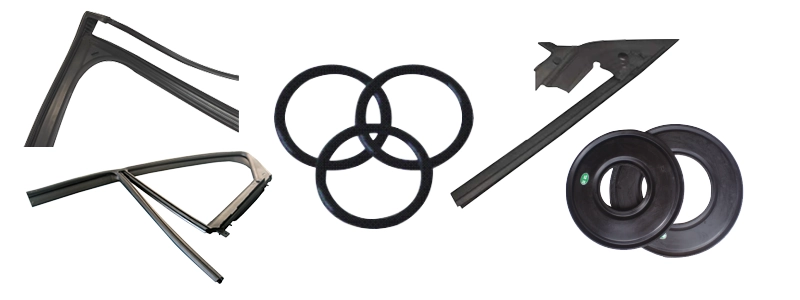
Open access, precise dosing, and controlled mold movement give C-frame equipment a distinctive role in automated rubber production. These machines are commonly considered for sealing-strip corners, oil seals, O-rings, gaskets, and TPU overmolding, where operators or handling devices must reach the mold efficiently. A C frame rubber injection molding machine should provide both a stable […]
Choosing a Hydraulic Injection Molding Machine: How to Evaluate Energy Efficiency and Total Cost
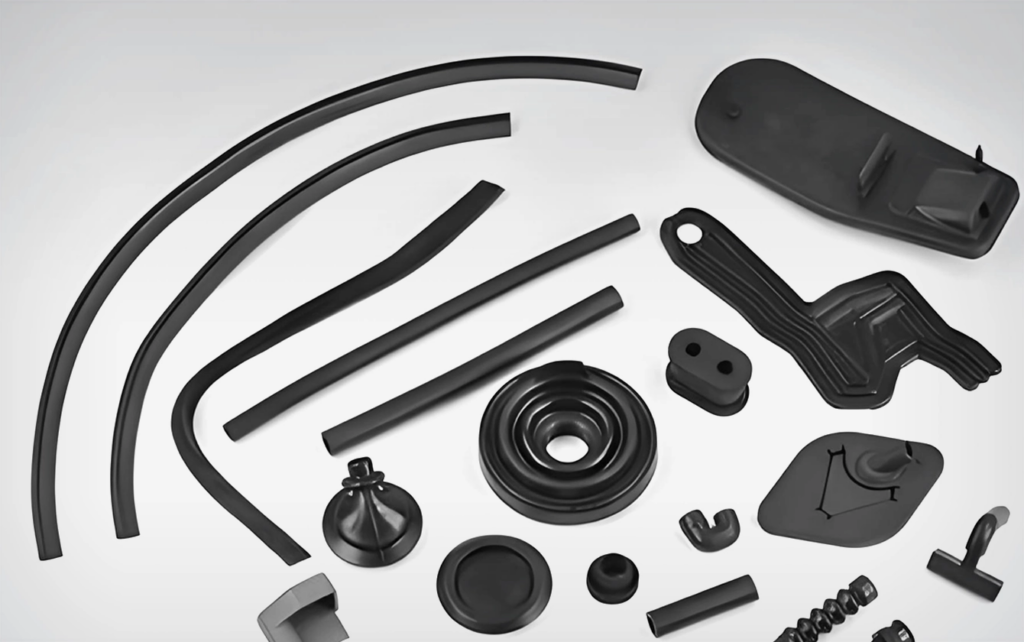
Energy efficiency in rubber molding cannot be judged from an installed-power figure alone. Pump behavior, cycle demand, heating load, idle time, cooling requirements, part quality, and machine utilization all influence actual consumption. The following checklist helps industrial buyers compare equipment proposals without separating energy claims from process capability, service, and lifecycle cost. Confirm That the […]
Silicone Rubber Injection Molding for Electrical Insulation: Process Control and Traceability
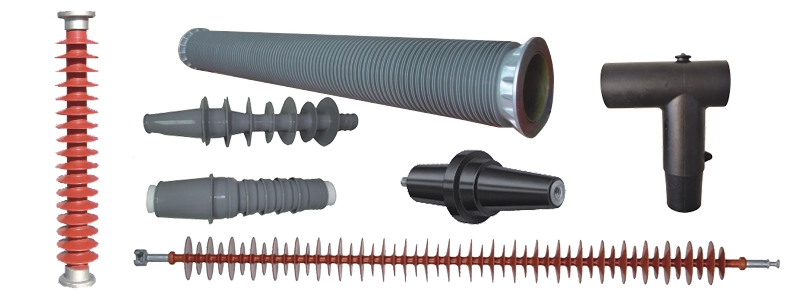
Digital production planning for electrical insulation must start with process stability. Long-rod and hollow-core insulators, surge arresters, cable accessories, and switchgear components place demanding requirements on material preparation, shot control, mold positioning, and curing. A connected silicone rubber injection molding machine should capture reliable process information and place it in the context of the product, […]
Rubber Track Manufacturing: Building a Connected and Automated Production Line
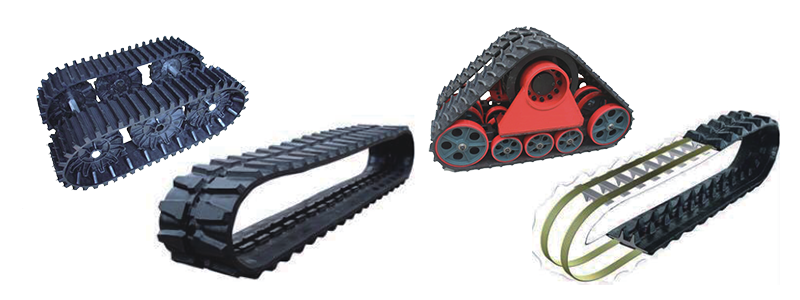
Connected manufacturing is most useful when it turns shop-floor signals into practical production decisions. In rubber-track production, long curing cycles, heavy materials, multiple track dimensions, and energy-intensive equipment make that connection especially valuable. A connected rubber track vulcanizing machine cannot merely display data; it should give production and maintenance teams a consistent view of recipes, […]