
Glass Injection Molding Machine: Applications, Process Requirements, and Equipment Selection
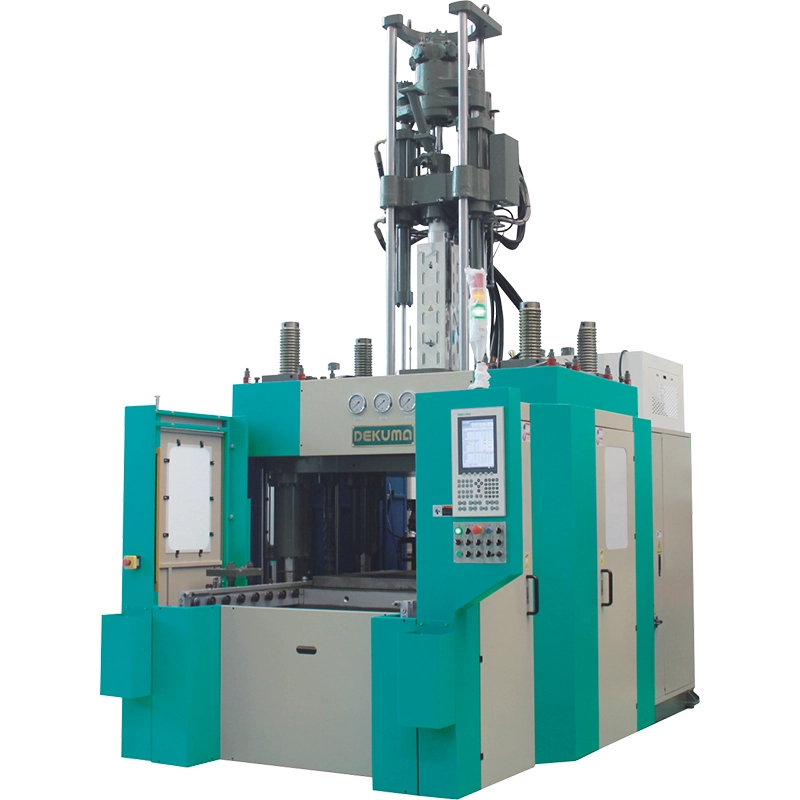
A triangular automotive window creates a difficult molding condition because the TPV sealing profile has to follow several changes in direction around the glass. The glass must remain correctly positioned while the material fills the edge cavity, and the mold must provide enough space for the complete component. When the sealing is formed directly onto […]
Rubber Injection Molding Machine: Applications, Process Requirements, and Equipment Selection
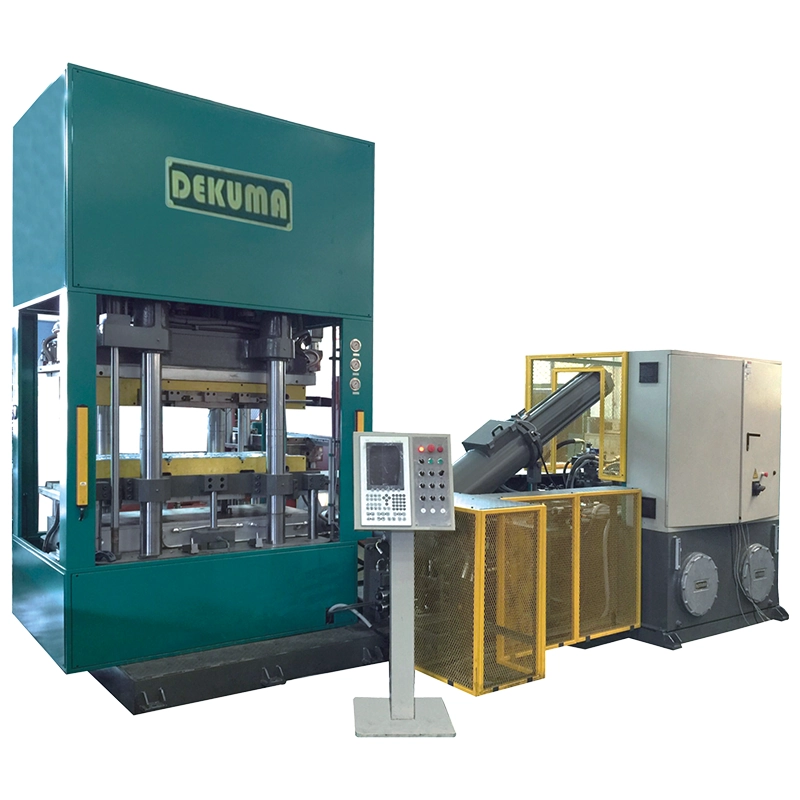
A long-rod insulator can require a mold opening stroke of 1,600 mm and a heating-plate spacing of 2,200 mm, while a hollow core insulator may require up to 50,000 cc of injection volume. These are not minor differences in machine selection. They determine the physical size, injection capacity, and clamping configuration required before production can […]
C-Frame Hydraulic Press: Applications, Process Requirements, and Equipment Selection
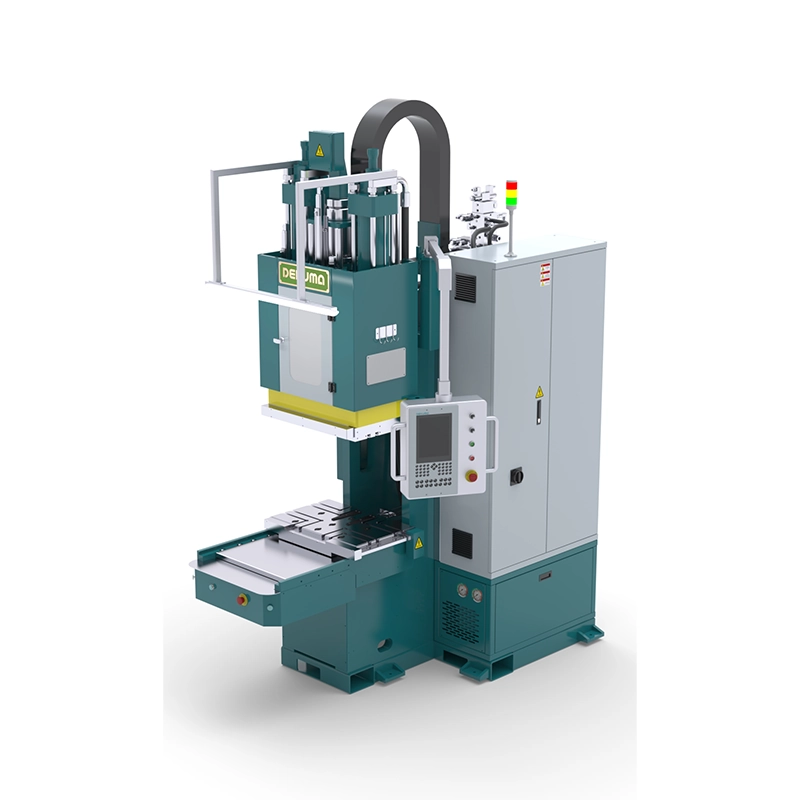
Long sealing profiles, rubber gaskets, oil seals, and TPU overmolded parts often require frequent mold handling during production. Operators may need to position inserts, place long profiles, remove cured parts, or change tooling between production runs. When access around the mold is restricted, these routine operations can become unnecessarily difficult. For this reason, machine-frame design […]
Hydraulic Injection Molding Machines: Applications, Process Requirements, and Equipment Selection
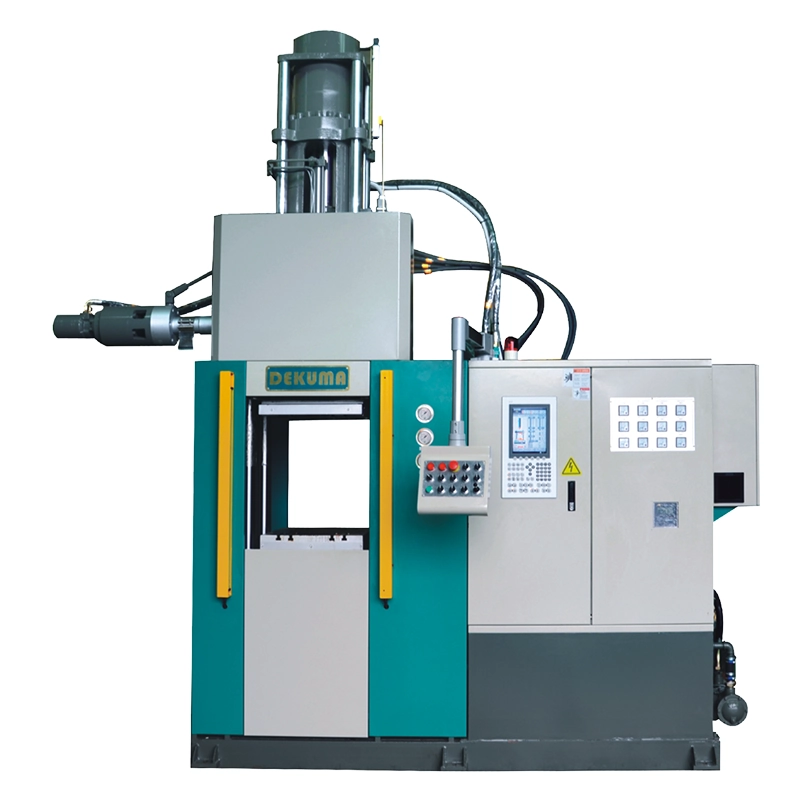
Automotive rubber molding often involves long sealing profiles, gaskets, and thermoplastic elastomer components that must be produced repeatedly under controlled pressure and temperature. For these applications, the hydraulic system directly affects injection response, clamping stability, and energy use. A machine that maintains pressure efficiently can be more valuable than one selected simply for its maximum […]
Silicone Injection Molding Machines: Applications, Process Requirements, and Equipment Selection
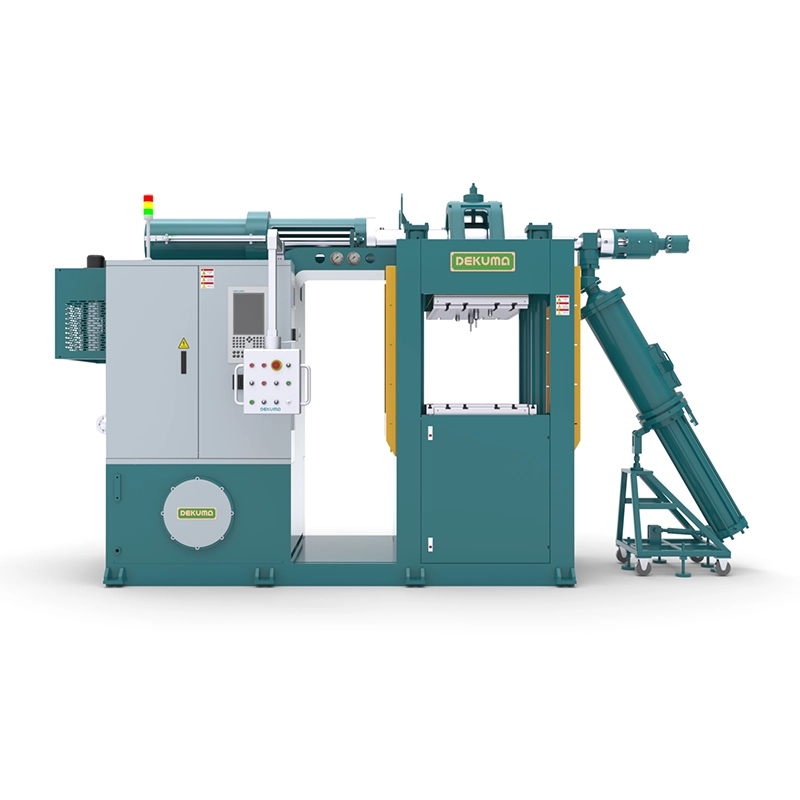
Long rod insulators and hollow core insulators require large quantities of silicone rubber to be injected into molds with substantial dimensions. The rubber must reach the required areas of the cavity without unstable feeding or excessive air entrapment, while the mold remains securely clamped during injection and curing. For these products, injection volume, plasticization, mold […]
Rubber Vulcanizing Press Machine: Applications, Process Requirements, and Equipment Selection
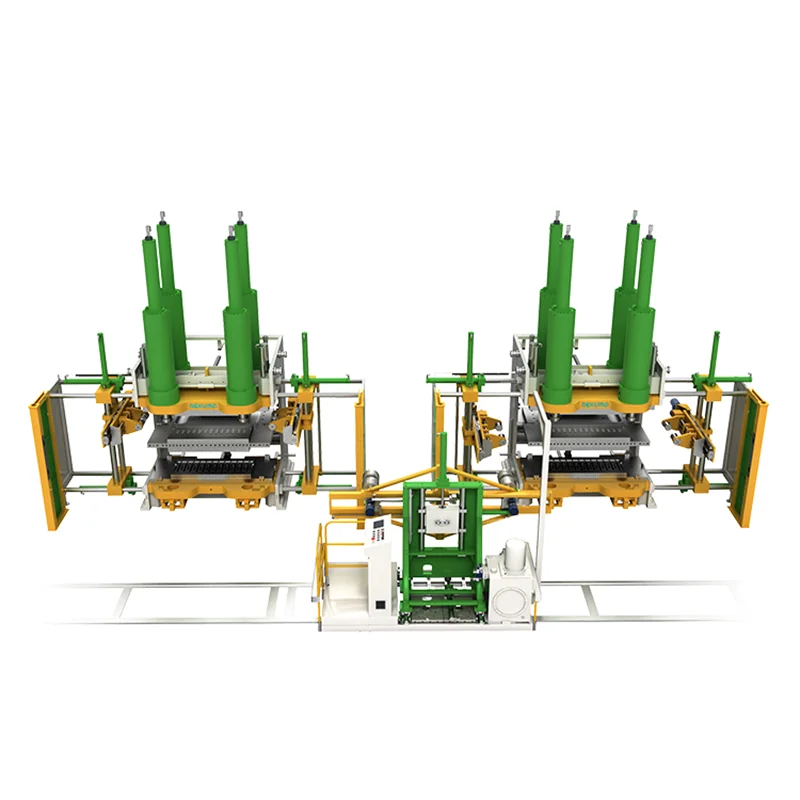
A rubber track vulcanizing press has to accommodate the entire track within the mold while maintaining pressure and temperature throughout curing. Track width, length, mold thickness, and heating-plate dimensions directly determine whether a press can handle the intended product. For manufacturers producing different track specifications, these parameters are therefore the starting point for equipment selection. […]
Cold Runner System Injection Molding: Applications, Process Requirements, and Equipment Selection
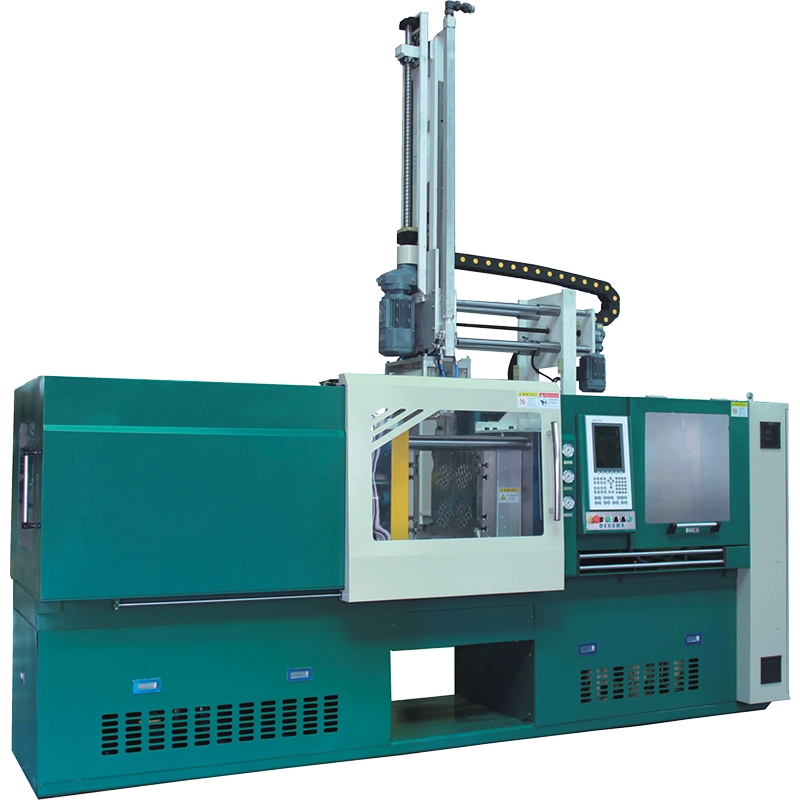
In multi-cavity sealing-ring production, the runner system determines how efficiently rubber compound reaches each cavity before vulcanization. A cold runner keeps the compound in the runner at a lower temperature while the mold remains heated for curing, helping separate material delivery from the vulcanization stage. For manufacturers producing large quantities of sealing rings, runner temperature, […]
Liquid Silicone Rubber Molding: Applications, Process Requirements, and Equipment Selection
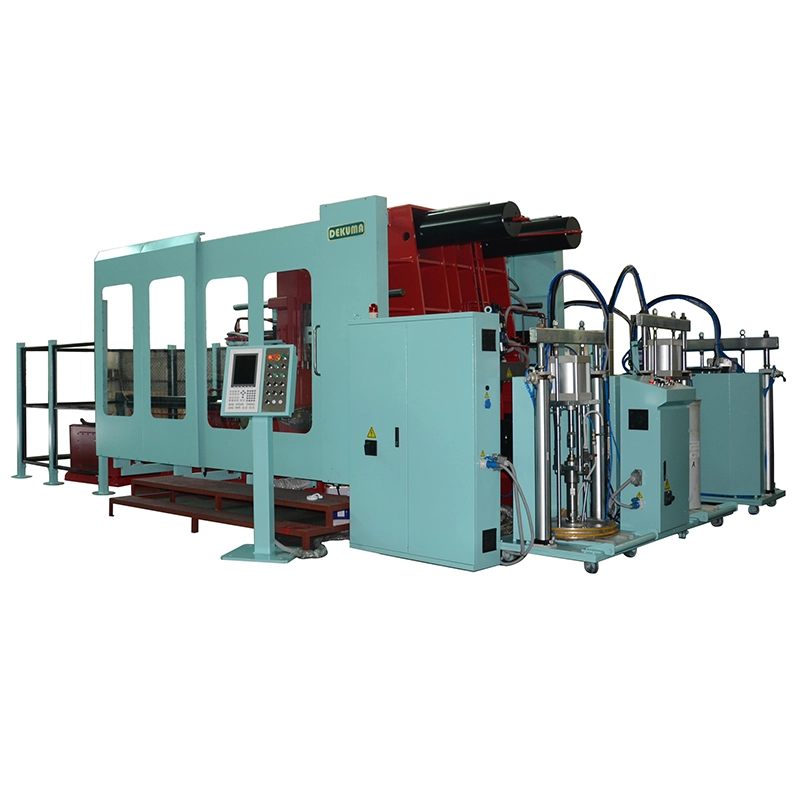
Liquid silicone rubber (LSR) is used when molded components need a combination of flexibility, temperature resistance, chemical stability, and reliable performance. Its liquid state also creates different processing requirements from solid rubber compounds. Precise metering, controlled mixing, injection, mold filling, and curing are therefore central to successful liquid silicone rubber molding, particularly for products with […]
Custom Injection Molding: Applications, Process Requirements, and Equipment Selection
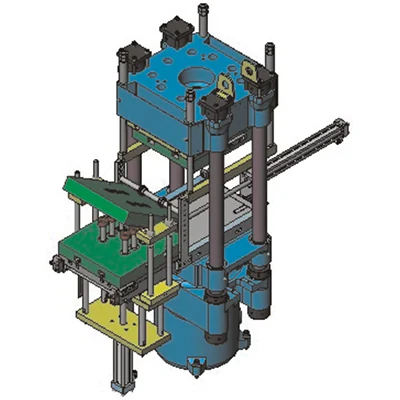
The equipment requirements for a rubber molding project are determined largely by the product being manufactured. Product dimensions, rubber compound, mold structure, required output, and automation level can all change the required injection system, clamping capacity, heating arrangement, and mold-handling configuration. For a factory planning a specialized production line, these parameters need to be defined […]