
In multi-cavity sealing-ring production, the runner system determines how efficiently rubber compound reaches each cavity before vulcanization. A cold runner keeps the compound in the runner at a lower temperature while the mold remains heated for curing, helping separate material delivery from the vulcanization stage. For manufacturers producing large quantities of sealing rings, runner temperature, flow balance, cavity layout, and injection pressure directly affect material waste and molding consistency.
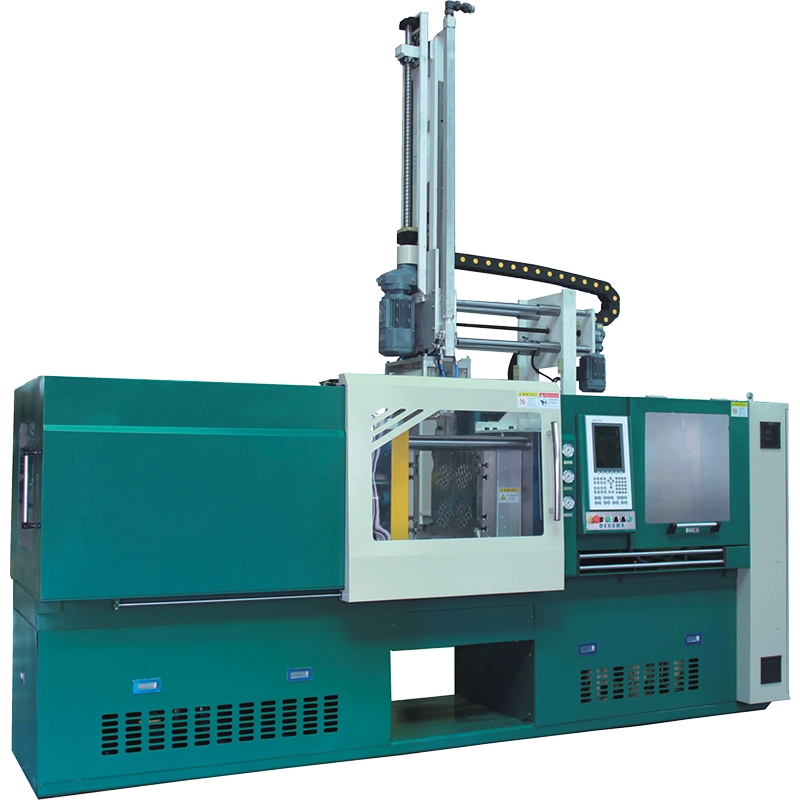
These requirements make cold runner system injection molding particularly relevant to rubber parts with repeated cavity layouts. The system should not be evaluated separately from the machine, however. Injection volume, clamping force, rubber compound, mold structure, and production cycle all need to match the intended application.
Applications for Cold Runner System Injection Molding
Cold runner systems are particularly relevant to rubber products produced through multi-cavity molds. Sealing rings are a typical example because manufacturers may need many identical parts from one molding cycle. A suitable runner system can distribute the compound to different cavities while keeping the material in the runner at a controlled temperature.
Sealing applications can be found in automotive systems, industrial equipment, hydraulic and pneumatic components, and other applications where reliable injection molded rubber parts are required. Depending on the operating environment, manufacturers may use natural rubber, nitrile rubber, fluoro rubber, or other suitable compounds.
Material selection influences the molding process. Nitrile rubber is commonly selected where oil resistance is important, while fluoro rubber can be considered for applications requiring resistance to demanding chemical and temperature conditions. The machine and mold should therefore be selected according to the compound as well as the finished product.
Our RH Series is specifically designed for sealing rings and other parts made from natural rubber, nitrile rubber, or fluoro rubber. The horizontal machine combines cold runner technology with an integrated injection unit and an ultra-high-pressure injection system, creating a configuration focused on sealing-ring production.
Process Requirements for a Cold Runner System
Temperature control is central to cold runner processing. The runner should keep the rubber sufficiently cool before the material reaches the heated mold, while the mold itself provides the conditions required for vulcanization. Poor temperature management can influence material flow, curing behavior, and finished-part consistency.
Flow balance is equally important in multi-cavity production. If different cavities receive material at noticeably different rates, variations in filling and curing can affect part dimensions or quality. Runner geometry, gate arrangement, injection speed, and pressure therefore need to be evaluated as one system.
Injection pressure also needs to match the product and mold. Sealing rings can have relatively small cross-sections, but the mold may contain numerous cavities or complex flow paths. Sufficient pressure helps fill the cavities completely and reduces the risk of short shots or incomplete edges.
The RH Series uses an ultra-high-pressure injection system with a listed injection pressure of 2,500 kg/cm² across the DKM-RH100, RH200, RH300, and RH450 models. Its injection volumes range from 180 to 1,600 cc depending on the model.
Equipment Selection for Rubber Sealing Products
Selecting equipment should begin with the finished product and mold. Product dimensions, compound type, cavity number, required output, mold dimensions, and expected cycle time help determine the required injection volume and clamping capacity.
For high-volume sealing-ring production, mold handling can also influence equipment selection. Frequent mold cleaning and product removal may affect labor requirements and production consistency. The RH Series includes automatic brushes for product pickup and mold cleaning. This configuration is intended to support production efficiency while helping reduce flash and defect rates and extend mold service life.
Material residence time is another consideration. Rubber remaining in the barrel for too long can face excessive vulcanization, which may affect processing stability. The RH Series uses a FIFO injection design to help prevent rubber from staying too long in the barrel and reduce the risk of over-vulcanization.
RH Series Configuration for Sealing Ring Production
The RH Series is a horizontal rubber injection molding platform developed specifically around sealing-ring production. Its integrated injection unit minimizes the injection path, while the cold runner technology is intended to reduce rubber waste and improve flow balance during injection. These features address several process requirements that are relevant to multi-cavity sealing applications.
The four listed models provide different production capacities. DKM-RH100 has an injection volume of 180 cc, DKM-RH200 provides 500 cc, DKM-RH300 provides 800 cc, and DKM-RH450 provides 1,600 cc. All four models list an injection pressure of 2,500 kg/cm², allowing manufacturers to select capacity according to product and mold requirements.
At Dekuma, the equipment configuration is considered together with the material, mold, and intended production process. The RH Series also incorporates a servo-driven hydraulic pump system, FIFO injection, automatic brushes, and integrated injection, rather than treating the cold runner as an isolated component.
How to Evaluate Cold Runner Equipment
When evaluating cold runner system injection molding equipment, manufacturers should first match the machine with the mold, rubber compound, cavity number, product size, and required output. Injection volume and clamping capacity should then be checked against the mold and production cycle, while runner temperature and flow balance should be considered for consistent cavity filling.
For injection molded rubber parts, production efficiency also depends on material waste, mold handling, and cleaning requirements. Our RH Series is developed specifically for sealing-ring production, combining cold runner technology with integrated injection and automated mold-cleaning functions.
At Dekuma, these factors are considered together when determining an equipment configuration, so the selected machine reflects the actual sealing-ring production process rather than a single specification.