
A triangular automotive window creates a difficult molding condition because the TPV sealing profile has to follow several changes in direction around the glass. The glass must remain correctly positioned while the material fills the edge cavity, and the mold must provide enough space for the complete component. When the sealing is formed directly onto the glass, injection accuracy and mold stability become closely connected to the final profile.
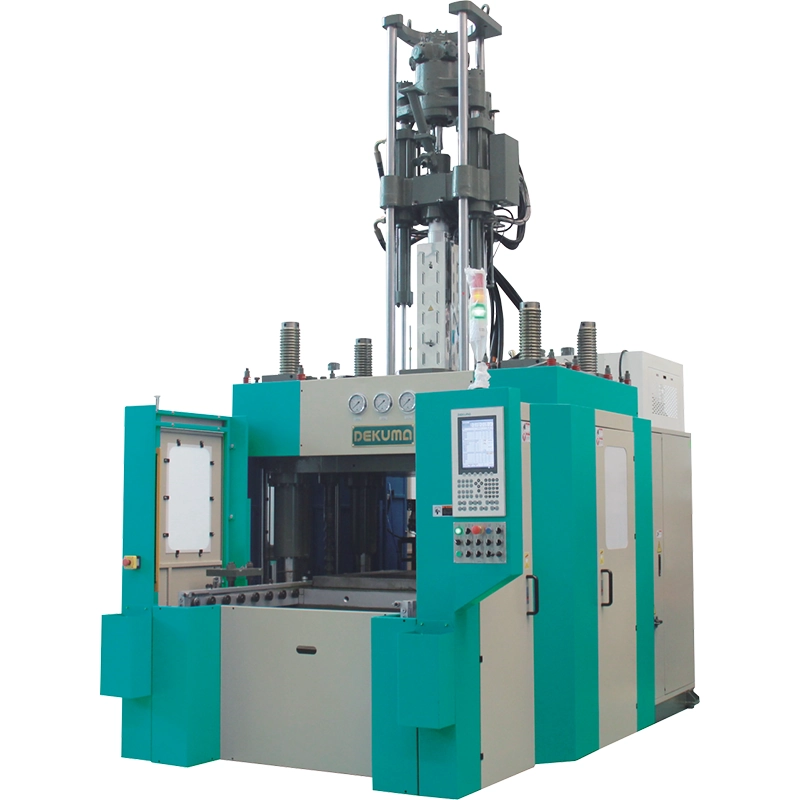
This one-piece approach also changes the production sequence. Instead of molding a TPV sealing strip separately and attaching it to the glass, the glass is placed into the mold and encapsulated during injection. The process is particularly relevant to triangular windows and large automotive windows that require integrated TPV edge sealing.
One-Piece TPV Encapsulation for Automotive Glass
Direct encapsulation brings glass positioning, material injection, and sealing-profile formation into one molding operation. This eliminates the separate attachment stage used when a sealing strip is produced independently. For manufacturers evaluating a glass injection molding machine, the mold must therefore accommodate the glass itself rather than only the rubber profile.
TPV is the main material specified for this application. The equipment can also process TPE, flexible modified PVC, and other injection-moldable raw materials. Material selection still needs to correspond with the required sealing performance and processing conditions, but the machine does not have to be limited to a single compound.
Triangular windows are specifically relevant because their geometry can contain multiple sections that need to be encapsulated consistently. The mold design and injection path therefore need to be considered together rather than treating the sealing profile as a simple continuous strip.
Injection System for Changing Glass Geometry
The injection system has to deliver the required material volume consistently as the sealing cavity changes along the glass. An unsuitable injection setup can create differences in profile formation between different sections of the same component.
At Dekuma, our machine uses a patented injection structure together with a servo motor pump and hydraulic control system to support repeat injection accuracy. The combination is intended to keep material delivery consistent during production instead of relying solely on injection pressure.
The FIFO vertical injection unit addresses another production issue: material remaining in the injection chamber during a changeover. The design allows that material to be replaced quickly, which is useful when different materials or component specifications are scheduled on the same production line.
For a rubber injection molding machine for auto glass encapsulation, this matters because the injection system has to accommodate both the selected material and the changing geometry of the glass sealing profile.
Clamping Structure Around the Glass and Mold
Once the glass is positioned inside the mold, mechanical stability becomes part of the encapsulation process. Movement during mold closing or injection can alter the position of the sealing cavity relative to the glass edge.
Our machine uses a fixed lower platen, movable upper platen, and four-column clamping structure. The arrangement distributes the clamping force across the mold while maintaining a defined working position. A low working platform also leaves the molding area more accessible when operators load glass or work with tooling.
The mold sliding system provides another practical feature for tooling handling. This is relevant when large or complex molds need to be moved for setup, adjustment, or maintenance. The machine therefore considers not only the injection stage but also how the tooling is handled around the production cycle.
Choosing the Right Configuration for the Tooling
The DKM-RV250B and DKM-RV400B are not simply two machine sizes for the same job. Their different clamping capacities and platen dimensions affect the type of tooling that can be accommodated. For a mold designed around a large automotive window, the available platen area and required clamping force need to be checked together. For smaller tooling, excessive machine capacity may not provide a practical advantage.
The mold-opening requirements also deserve attention. The glass and tooling must have enough space for loading, injection, and part removal without interfering with the machine structure. This is particularly important for triangular windows, where the mold layout may extend beyond a simple rectangular sealing profile.
At Dekuma, we therefore look at the mold drawing, glass dimensions, sealing layout, and material requirements before deciding between the two configurations. The machine is selected around the actual encapsulation tooling, not simply according to the nominal size of the automotive glass.
What the Equipment Selection Should Cover
A glass injection molding machine for automotive encapsulation should be checked against the complete molding setup. The glass dimensions determine the required mold envelope, while the sealing profile affects the injection path and material volume. Mold thickness and opening requirements then determine whether the tooling can operate within the available machine space.
For manufacturers comparing a rubber injection molding machine for auto glass encapsulation, the DKM-RV250B and DKM-RV400B provide two configurations for different clamping and tooling requirements. The final choice should come from the actual glass, mold, material, and production cycle. That keeps the equipment decision tied to the component being produced rather than to a generic machine category.