
Selecting an injection molding machine requires more than comparing clamping force, injection capacity, or machine size. These specifications show what a machine can achieve under certain conditions, but they do not always reveal how it performs during continuous production.
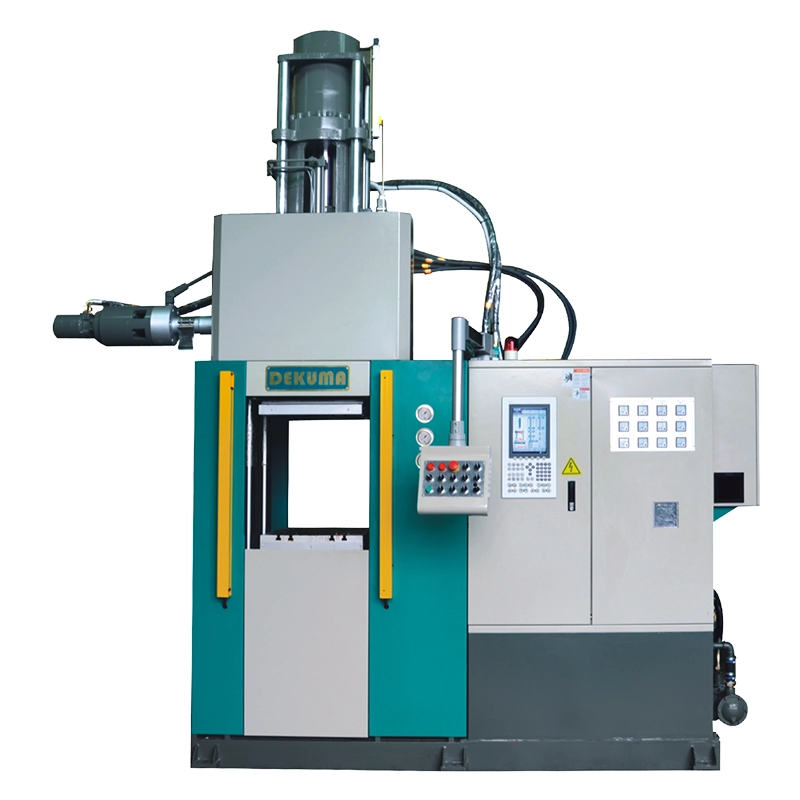
A machine may have sufficient force to close the mold but still struggle with unstable pressure response, inconsistent injection movement, or frequent parameter adjustments. In long-term production, these differences can affect part dimensions, weight, and surface quality even when the mold and material remain unchanged.
For this reason, evaluating a hydraulic injection molding machine manufacturer should focus on the complete molding process, including hydraulic response, control accuracy, energy management, machine configuration, and technical support.
Hydraulic System Response Affects Molding Stability
The hydraulic system controls essential machine actions, including injection, pressure holding, clamping, and mold opening. These movements need to work together because changes in pressure and flow can influence how the material fills the cavity.
Traditional hydraulic systems may maintain pump output even when the machine does not require maximum power. This operating method can increase unnecessary energy consumption and reduce the flexibility of hydraulic response during different molding stages.
The RV-SE Series applies servo hydraulic technology to adjust motor output according to actual pressure and flow requirements. Instead of maintaining a fixed hydraulic output throughout the cycle, the system changes its operation according to the current production demand.
For manufacturers comparing a servo hydraulic injection molding machine, the evaluation should include both energy performance and process control. The advantage of servo hydraulic technology comes from its ability to match power output with molding requirements while maintaining stable injection and clamping movements.
Precision Depends on Repeatable Machine Control
In injection molding production, precision is reflected in repeated cycles. The machine needs to maintain consistent injection position, pressure response, and clamping movement every time the mold closes.
Small variations in hydraulic response or parameter execution may accumulate during extended production runs. These changes can influence part weight, dimensions, and appearance, especially when products require tighter quality control.
The RV-SE Series is designed to improve control accuracy through a servo hydraulic system and optimized hydraulic response. Stable pressure and flow regulation help maintain consistent molding conditions after process parameters are established.
When selecting a servo hydraulic injection molding machine, manufacturers should examine how accurately the equipment repeats the same process rather than focusing only on maximum injection speed or clamping force.
Machine Configuration Should Match Actual Production Conditions
Injection molding equipment needs to match the relationship between the machine, mold, and material. Mold size, part structure, material behavior, and production cycle all influence the required configuration.
A machine with excessive capacity may increase investment and operating costs, while insufficient capacity may limit production flexibility. The injection unit, clamping system, and hydraulic performance should correspond with the actual manufacturing requirements.
The RV-SE Series provides configuration options based on different production conditions. Selection can be adjusted according to mold dimensions, injection requirements, cycle targets, and automation needs.
This approach avoids choosing equipment only by tonnage. Instead, the machine configuration is evaluated according to whether it can maintain stable processing conditions for the intended application.
Energy Performance During Complete Molding Cycles
Energy consumption should be considered during actual machine operation rather than through motor power ratings alone. Different stages of injection molding require different levels of hydraulic output.
During injection and pressure holding, the system requires higher response and control accuracy. During lower-demand stages, such as certain cooling or standby periods, maintaining maximum output may consume unnecessary energy.
The servo hydraulic system used in the RV-SE Series adjusts motor operation according to changing process requirements. This allows hydraulic power to follow the actual demand of each molding stage.
For companies evaluating a servo hydraulic injection molding machine, energy efficiency needs to be considered together with production stability. Reduced power consumption only creates practical value when the machine can continue producing consistent parts without frequent process correction.
Technical Support Starts With Correct Machine Selection
Machine performance depends heavily on whether the initial configuration matches the production requirements. Factors such as mold design, material characteristics, cycle time, and automation level need to be considered before equipment installation.
After installation, technical adjustments may involve injection parameters, hydraulic settings, and cycle optimization. These adjustments influence whether the machine can achieve the expected production conditions.
At Dekuma, equipment configuration is determined according to the customer’s molding requirements, including mold structure, material characteristics, and production targets. This process helps avoid applying a standard machine setup to applications with different production challenges.
Technical support also remains important when manufacturers introduce new molds or materials. Proper adjustment during production changes can reduce unnecessary testing and shorten the time needed to reach stable operation.
Evaluating a Hydraulic Injection Molding Supplier
Choosing a supplier requires more than reviewing a machine catalogue. A capable hydraulic injection molding machine manufacturer should demonstrate technical knowledge in machine structure, hydraulic control, and practical molding applications.
Important evaluation points include:
- Whether the hydraulic system maintains stable pressure and flow during repeated cycles
- Whether injection and clamping movements can be controlled accurately
- Whether the machine configuration matches the intended molds and materials
- Whether technical support covers installation, adjustment, and future production changes
At Dekuma, the RV-SE Series combines servo hydraulic technology, process control, and configurable machine options to support different injection molding requirements. The equipment design focuses on maintaining controlled movement, stable processing conditions, and efficient energy use during production.
Selecting a hydraulic injection molding machine manufacturer should ultimately depend on how well the equipment matches the manufacturing process. A suitable machine is not defined only by its specifications but by its ability to maintain repeatable operation, accurate control, and reliable support throughout daily production.