
O-Ring Vulcanizing Machine: Selection Criteria for Producing Sealing Rings, O-Rings, and Precision Seals
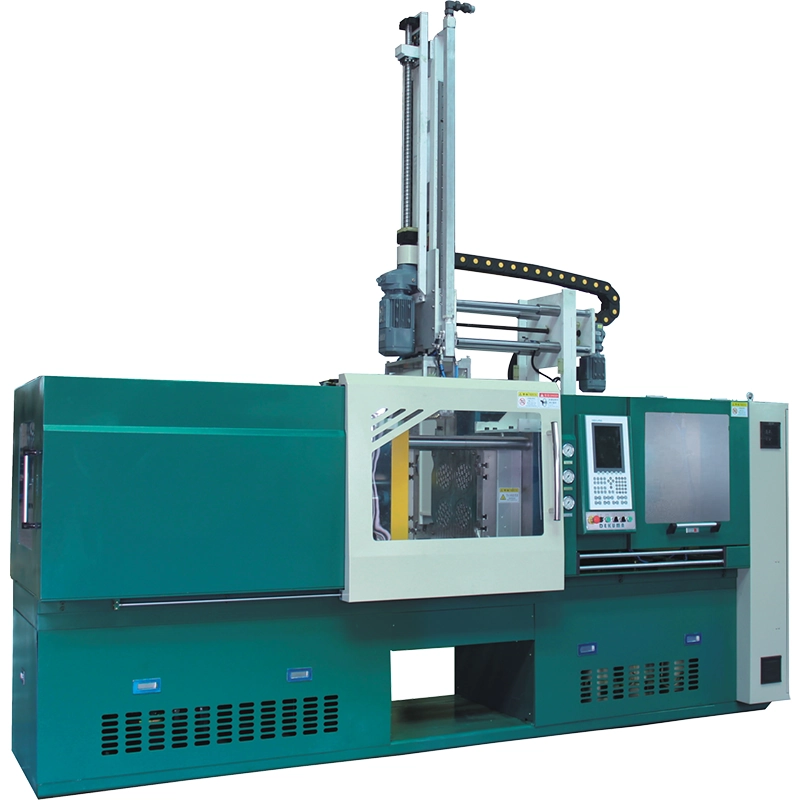
O-rings leave little room for inconsistency. A short shot can break the sealing profile, trapped air can create defects inside the ring, and excess flash can affect assembly or sealing performance. At production scale, even mold residue matters because repeated contamination can increase defect rates and interrupt the cycle. These problems make injection control, material […]
Rubber Injection Molding: Selection Criteria for Producing Silicone, EPDM, NBR, TPE, and TPV Parts
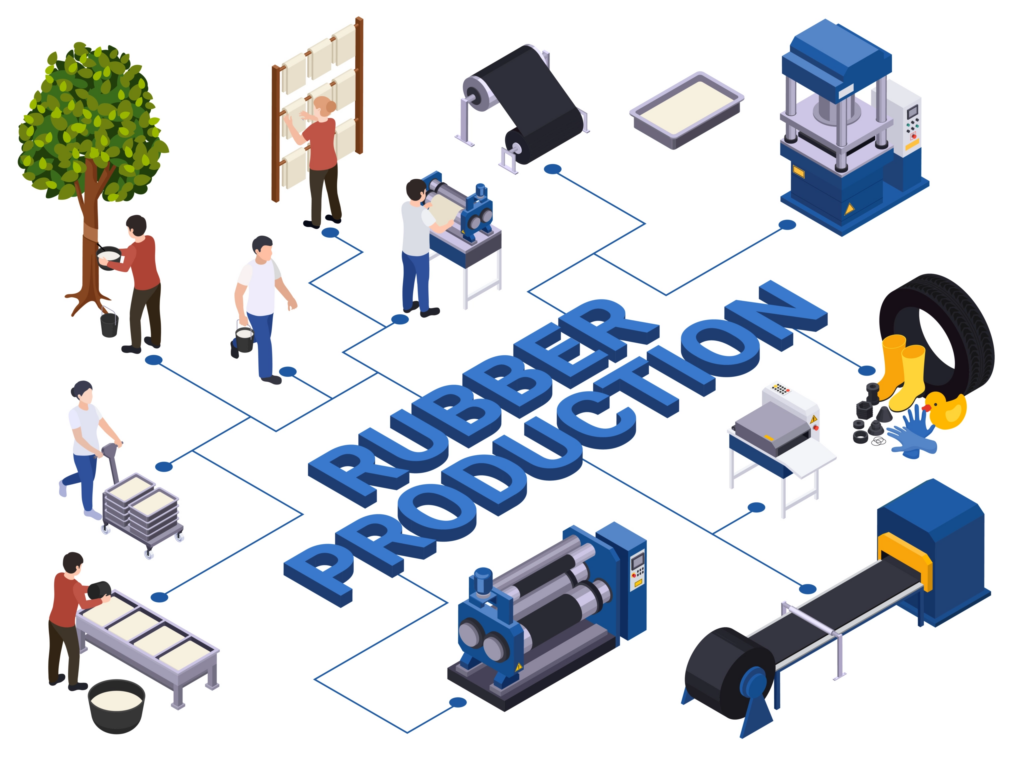
EPDM and TPV may both be used for automotive sealing components, but they do not place the same demands on the molding process. EPDM is a thermosetting rubber that requires controlled vulcanization, while TPV is processed as a thermoplastic elastomer and depends more heavily on melt temperature and cooling. Silicone introduces another requirement because liquid […]
Custom Rubber Molding: Selection Criteria for Producing Specialized and Complex Rubber Parts
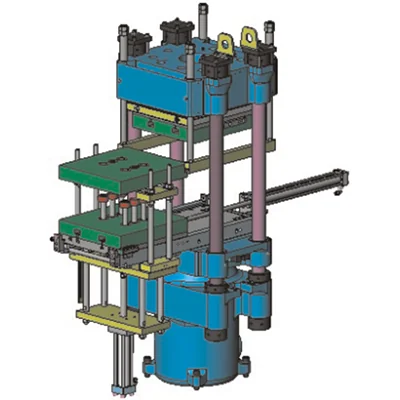
A standard rubber molding machine can have enough injection capacity for a specialized part and still be unsuitable for the actual production process. The limitation may come from the tooling: a heavy mold may need dedicated support, an insert may require controlled positioning, or a deep cavity may need a particular ejection arrangement. These details […]
Rubber Molding Machine: Selection Criteria for Producing Seals, Gaskets, Dampers, and Connectors
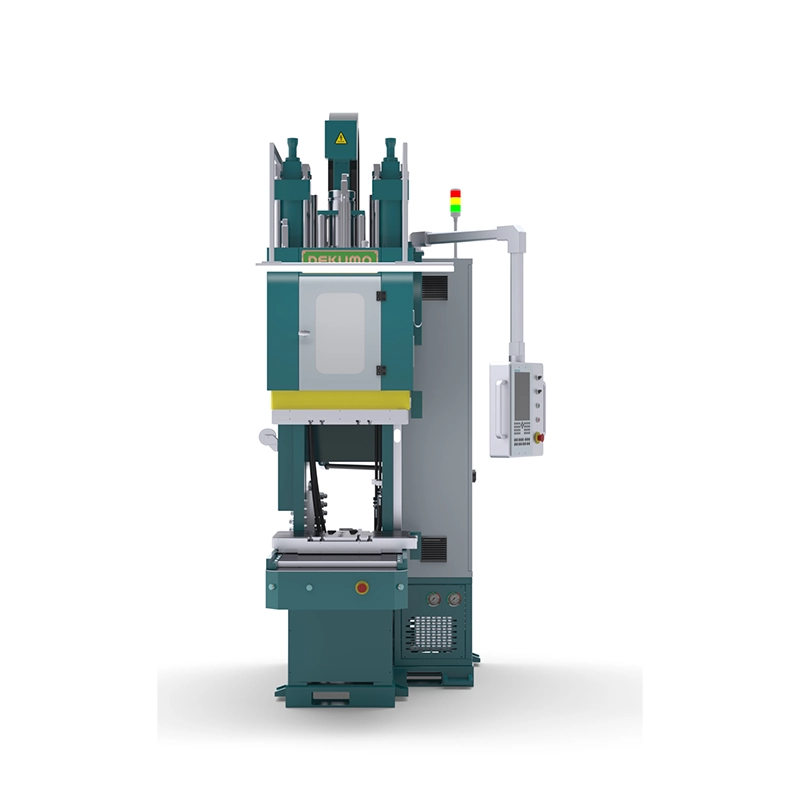
A small O-ring, a long sealing profile, a rubber damper, and an insert-molded connector can all belong to the same rubber component family, yet the machine conditions behind them can be quite different. Cavity size, material volume, mold structure, insert position, and filling behavior all influence the equipment configuration. Choosing a rubber injection molding machine by […]
Rubber Machine Manufacturer: How to Evaluate Quality, Precision, and Technical Support
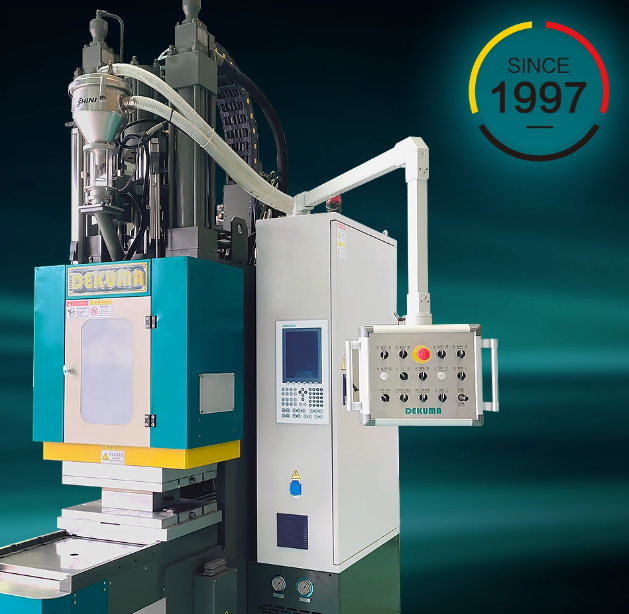
Two rubber injection molding machines can show similar figures for injection pressure, clamping force, or injection volume and still perform differently after they enter production. The difference often lies in less visible factors: how the core systems are designed, how accurately movement is monitored, how consistently components are manufactured, and how quickly technical problems can […]
Automotive Injection Molding Companies: Manufacturing Capabilities and Application Experience
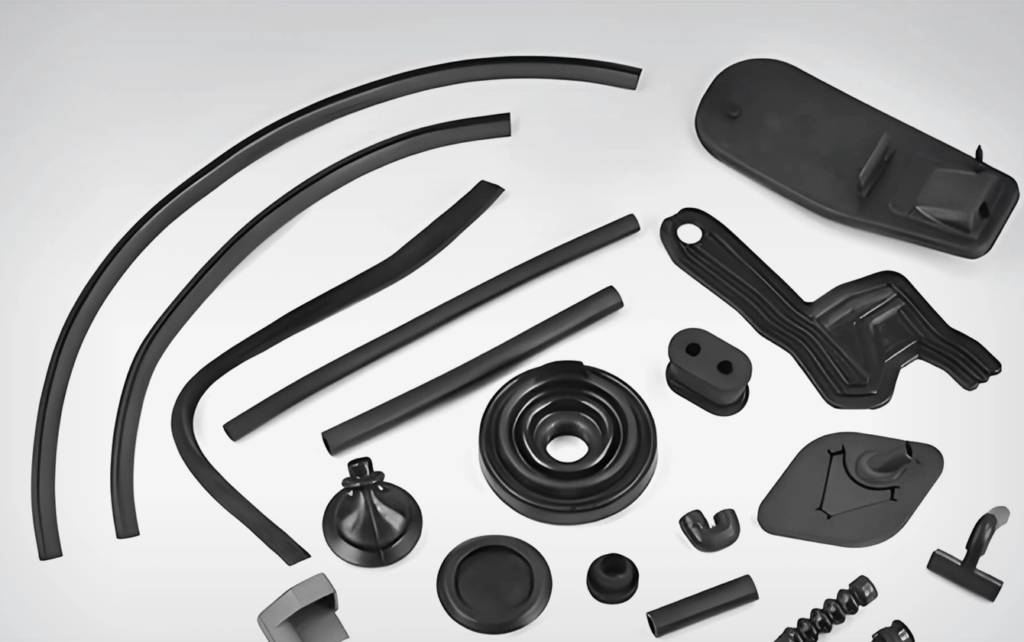
An automotive window seal, skeleton oil seal, and large TPV glass-edge component may all be classified as rubber parts, but their molding requirements can be very different. Their materials, geometries, mold structures, and injection volumes can vary considerably. A production setup that works well for one component may therefore require a different configuration for another. […]
Injection Molded Rubber: Applications, Process Requirements, and Equipment Selection
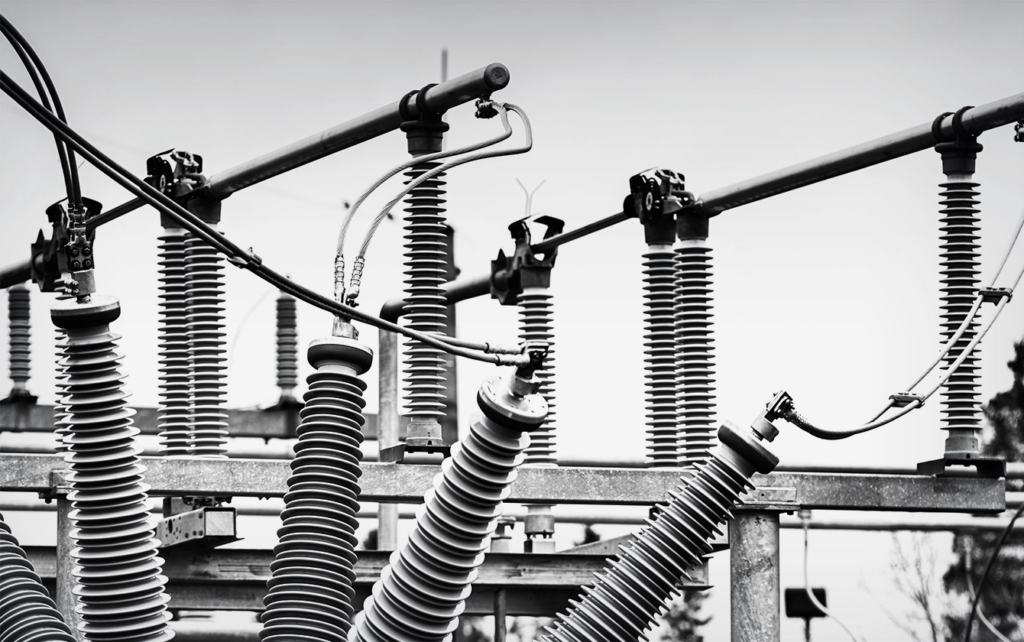
A silicone insulator may have a long flow path, a complex shed structure, and a substantial molding volume. During injection, the rubber compound must fill these sections while the mold maintains the geometry required for electrical insulation. The challenge becomes greater when the component is large or includes complex interfaces. These conditions make injection molded […]
Rubber Track Solutions: Applications, Process Requirements, and Equipment Selection
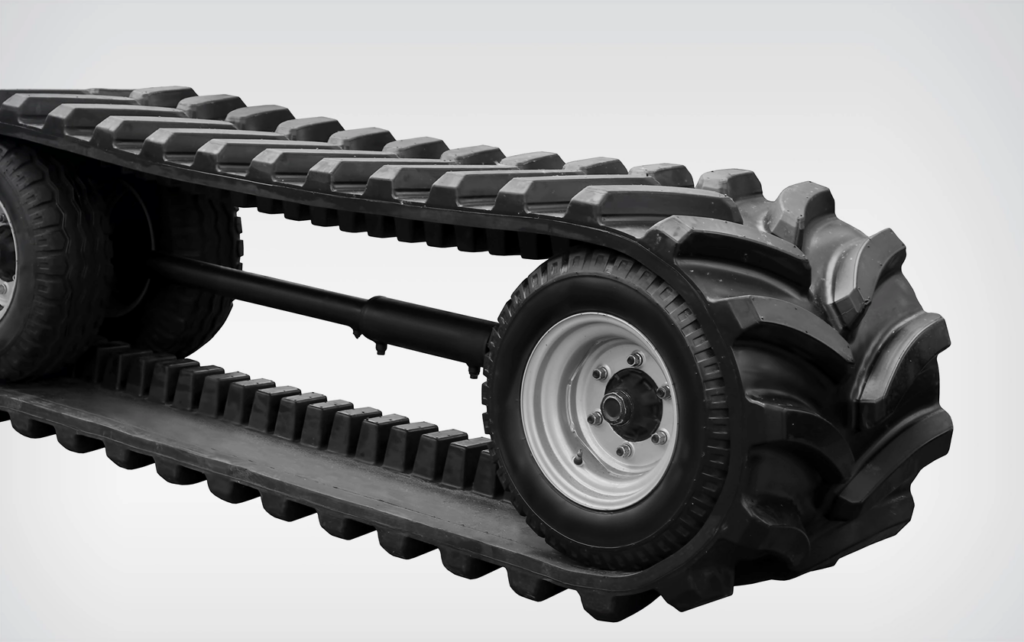
A rubber track has to be molded around a defined reinforcement structure while maintaining its tread geometry and overall dimensions. The challenge becomes more demanding as track size increases because the mold must accommodate the complete structure, and the rubber needs to fill the cavity around the embedded components before vulcanization. For this reason, track […]
Injection Molding Machine Manufacturers: Manufacturing Capabilities and Application Experience
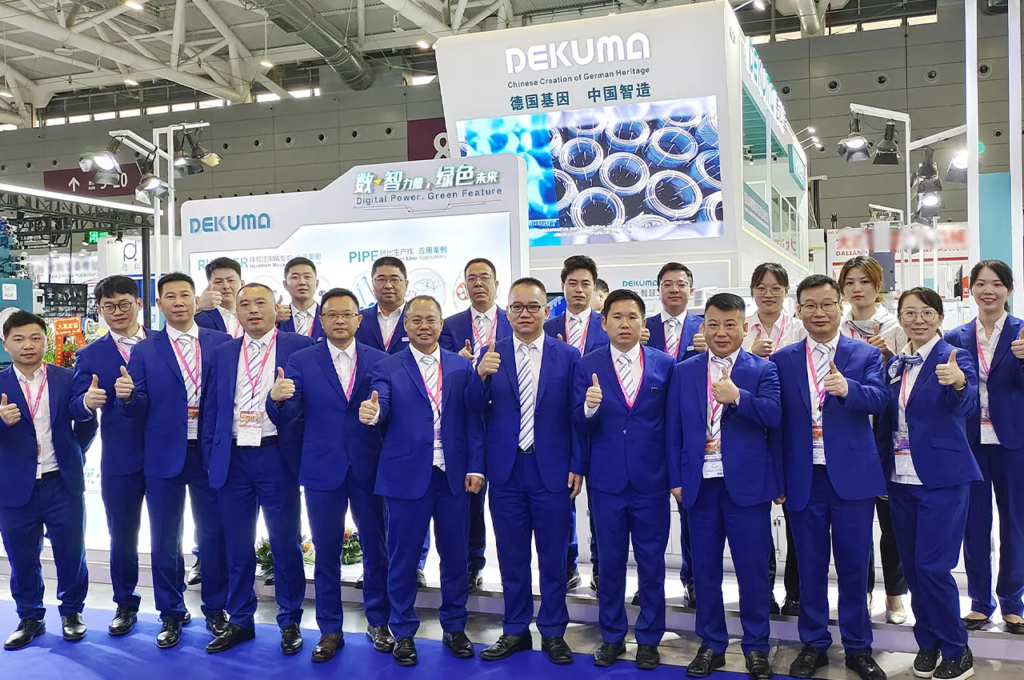
A rubber molding project can encounter problems before the machine is even installed if the equipment supplier does not understand the relationship between the material, mold, product geometry, and production cycle. A machine configured for an automotive seal may not suit an HTV silicone insulator or a rubber track. The difference is not simply machine […]