
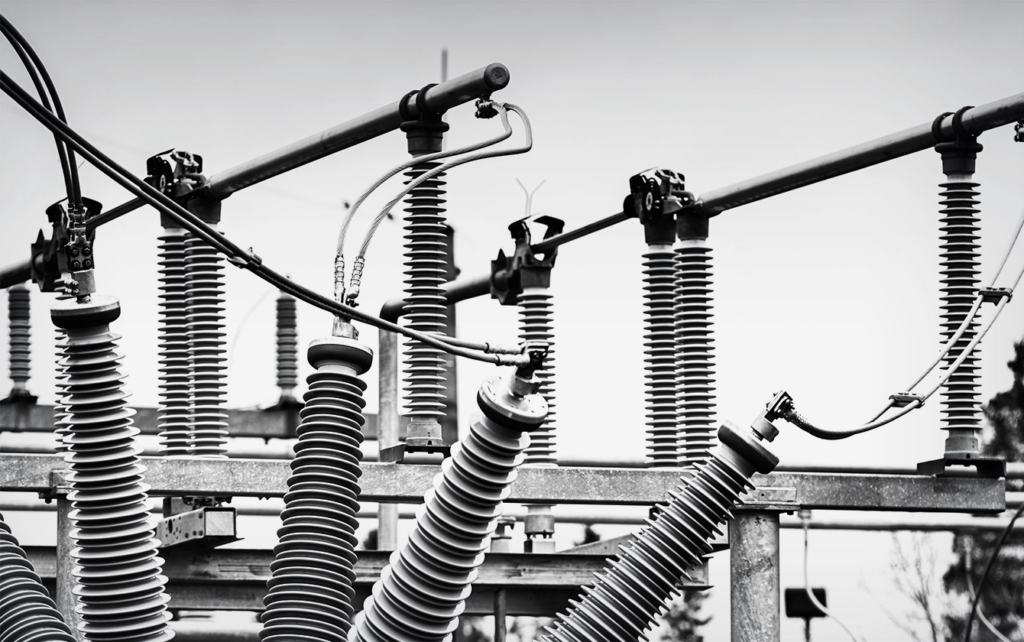
A silicone insulator may have a long flow path, a complex shed structure, and a substantial molding volume. During injection, the rubber compound must fill these sections while the mold maintains the geometry required for electrical insulation. The challenge becomes greater when the component is large or includes complex interfaces. These conditions make injection molded rubber a process that depends on material behavior, tooling, injection capacity, and vulcanization control.
For power-industry manufacturers, equipment selection should therefore start with the component being produced. The rubber compound, product dimensions, mold structure, injection volume, clamping requirements, and curing conditions all need to correspond to the intended application. Looking at these factors together also helps determine whether one machine configuration can support several product specifications.
Power-Industry Rubber Parts Have Different Molding Requirements
Electrical rubber components are not limited to one product structure. Long-rod insulators, hollow-core insulators, cable accessories, and surge arresters can require different mold arrangements and processing conditions.
A long-rod insulator, for example, may involve a long molding path and repeated shed geometry. A hollow-core insulator introduces a different mold structure, while cable accessories can contain smaller but more complex sealing or connection areas. These differences affect how the rubber enters and fills the cavity.
The application also determines the required balance between dimensional accuracy and material processing. The finished component needs to maintain its designed geometry after curing because changes in the molded surface or interfaces can affect how it fits into the electrical assembly. For insulators with repeated sheds, consistent cavity filling is particularly important because the rubber must reach each section of the mold without creating unwanted variations.
Material and Mold Determine the Process
Silicone rubber and EPDM are both used in power-industry applications, but they do not behave identically during processing. Their feeding, injection, temperature, and vulcanization requirements can differ, so the machine configuration needs to correspond to the selected compound.
Mold design is equally important. Cavity geometry, gate arrangement, venting, and the location of complex features all influence material flow. For large insulating components, the rubber may need to travel through a substantial cavity before reaching the final sections of the mold.
The mold also determines how the machine needs to accommodate the tooling. Mold dimensions affect the available working space, while its opening requirements influence installation and part removal. These details should be confirmed before the equipment configuration is finalized.
Injection and vulcanization are closely connected as well. The material must fill the cavity properly first, while the subsequent curing process needs to establish consistent conditions throughout the molded component. Equipment selection should account for both stages rather than evaluating injection capacity in isolation.
Large Components Change the Machine Requirements
The physical size of an electrical rubber component directly affects the machine configuration. A large insulator can require substantial injection volume and mold space, while the machine opening must provide enough clearance for installation and removal of the tooling.
Clamping capability is another consideration. During injection, the mold must remain securely closed under the process pressure. If the tooling is large or the molded structure is complex, the machine needs to accommodate the mold dimensions and required clamping conditions without restricting the intended production process.
For rubber injection molding for power industry applications, these parameters should be checked against the actual product drawing and tooling before the machine is selected. Nominal machine capacity alone cannot show whether a particular configuration is suitable for a large electrical component.
Production volume should also be considered. A manufacturer producing one large insulator specification may prioritize a configuration optimized for that mold, while a manufacturer producing several electrical rubber components may need greater flexibility in mold installation and process adjustment.
Equipment for Power-Industry Applications
Our power-industry equipment portfolio covers applications including long-rod insulators, hollow-core insulators, cable accessories, and surge arresters. These products do not all require the same machine configuration, which is why the material and product structure remain central to equipment selection.
At Dekuma, the RA Series is used for silicone rubber and EPDM applications, while the RT Series is designed for large-format HTV silicone molding. This distinction is relevant when manufacturers compare equipment for different electrical rubber products because material and product dimensions can lead to different processing requirements.
For a large HTV silicone component, for example, the available injection volume and mold space need to correspond to the actual tooling. A smaller electrical rubber component may place more emphasis on mold configuration and process flexibility. In both cases, the machine should be evaluated together with the mold rather than selected independently of it.
From Insulator Design to Machine Configuration
For manufacturers using injection molded rubber in electrical applications, the machine configuration can be derived from the product requirements in a clear sequence. The component determines the mold; the mold establishes the required working space and material volume; the material determines the relevant injection and curing conditions; and these factors together define the machine requirements.
This approach is particularly useful when a manufacturer plans to produce more than one type of electrical rubber component. A configuration suitable for one insulator may not provide the same working envelope or injection capacity required by another product. The largest mold, highest material volume, and most demanding curing requirement should therefore be considered when the production range is defined.
At Dekuma, these production parameters provide the basis for assessing the appropriate equipment configuration. For rubber injection molding for power industry, the practical review should focus on the actual component, mold, material, injection volume, clamping requirements, and curing process. This creates a direct connection between the electrical product being manufactured and the machine selected for it, while leaving room for the production line to accommodate the intended range of power-industry rubber components.