
Automotive Molded Rubber Parts: Adapting Molding Technology to Different Components
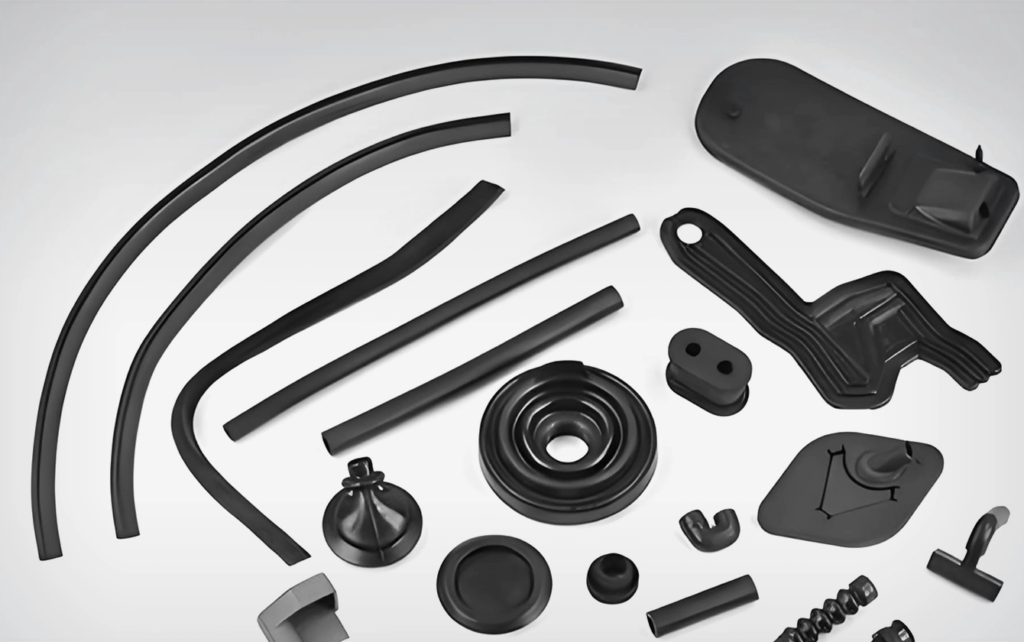
Automotive rubber manufacturing covers seals, gaskets, glazing edges, corner joints, anti-vibration parts, oil seals, O-rings, connectors, TPU products, and other precision components. Their compounds, molds, and handling routes differ substantially. Future automotive molded rubber parts will depend on smarter control that reduces loss without hiding process responsibility. Product and Material Data for Cell Selection General […]
Injection-Molded Rubber for Power Applications: Matching Machines to Insulation Products

Differences between cable accessories and long or hollow composite insulators create wide variations in shot size, mold access, clamping, temperature, and curing for power-industry rubber products. Looking ahead, injection mold rubber production will become smarter by linking that physical process with better quality and waste evidence. Structured Application Data for Machine Selection For insulation products […]
Rubber Track Solutions: Using Production Data to Improve Quality and Resource Efficiency
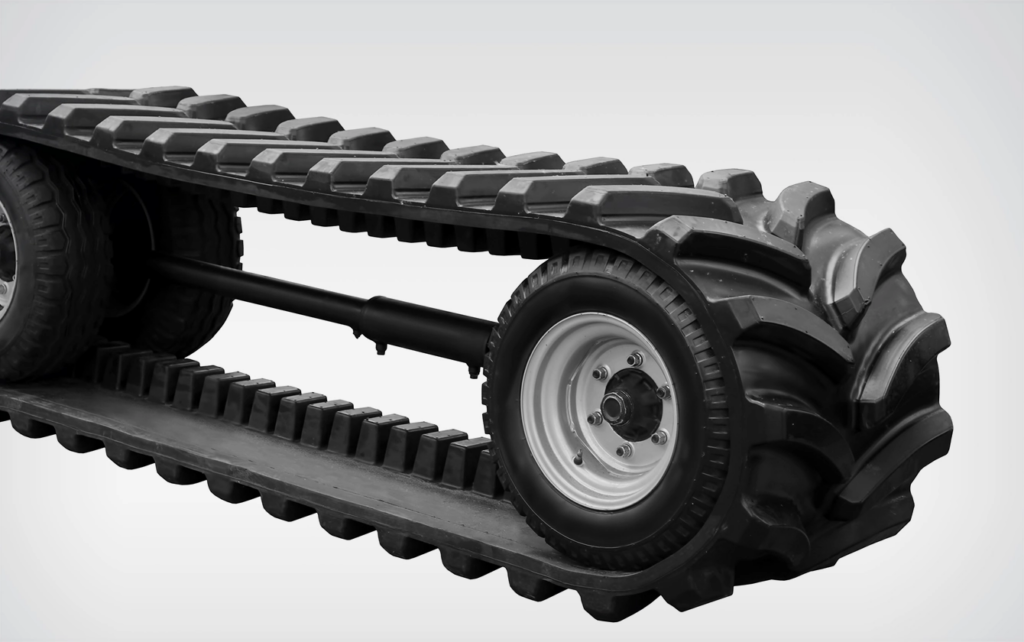
The next generation of rubber-track production must treat material volume, reinforcement, vulcanization time, heavy handling, energy, and traceability as connected operating variables. These foundations show how rubber track solutions inc projects may become smarter while reducing avoidable material, labor, and energy loss. Product Context Makes Data Useful Track design determines which production data matters: duty […]
Rubber Injection Molding Company: Questions to Ask Before Starting a Rubber Molding Project: Rubber Injection Molding Companies

The right supplier questions can prevent a rubber molding project from starting with incompatible assumptions about the product, compound, mold, capacity, automation, or support. This framework shows how buyers can evaluate a rubber injection molding company before the machine specification, commercial scope, and acceptance plan are fixed. Who Owns the Engineering Decisions? Buyers need to […]
Glass Molding Machine Price: Comparing Capacity, Automation, and Lifecycle Cost in Automotive Glass Encapsulation
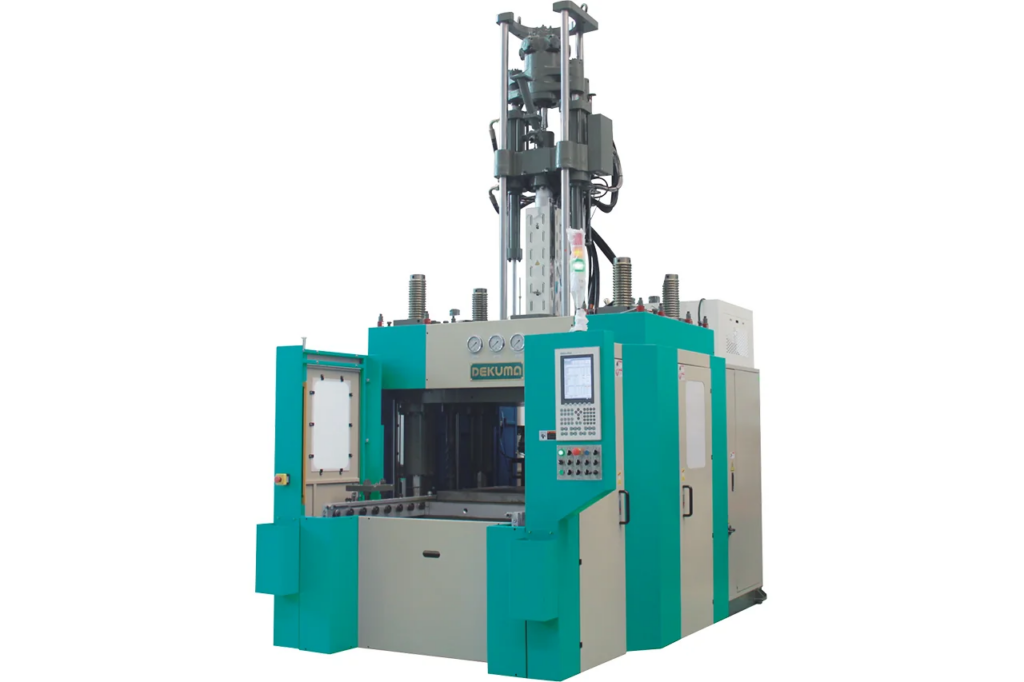
No responsible equipment quotation can reduce automotive glass encapsulation to one fixed price. Window size, mold envelope, shot control, handling, automation, utilities, validation, and support all shape the project. A useful glass molding machine price comparison must therefore connect capacity and scope with lifecycle production cost. Capacity Must Follow the Glass and Mold Large automotive […]
Insulator Manufacturing Equipment: Handling Large Molds and High-Volume Silicone Shots
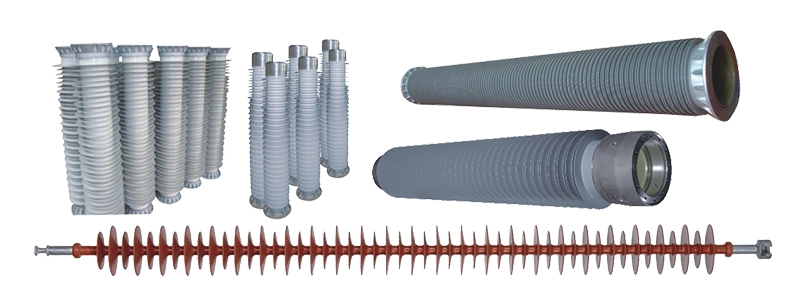
Large HTV silicone insulation products require high shot volumes, long molds, stable material preparation, controlled clamping, and safe access. Future development must make these demanding processes easier to verify and maintain. These functions indicate how the future insulator making machine can become smarter and less wasteful. Data-Supported Handling for Large Molds The top-opening structure reduces […]
C-Frame Rubber Injection Molding: Flexible Automation for Different Part Designs
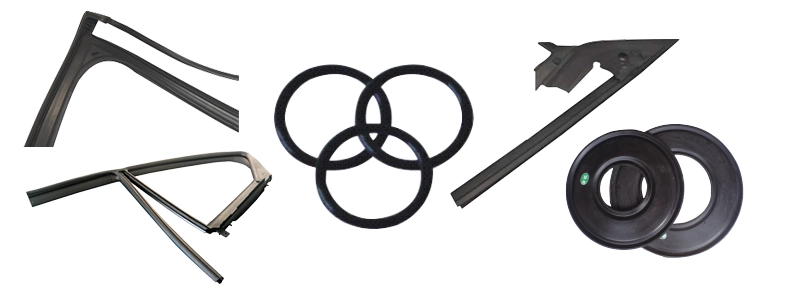
C-frame machines bring tooling, operators, and automation close to the mold through three-sided access. Future improvements must use that openness without compromising guarding, dosing accuracy, or maintainability. This creates a practical basis for a smarter C frame rubber injection moulding machine. Adaptable Automation through Open Access The RC Series is used for automotive sealing-strip corners, […]
Hydraulic Rubber Molding: How Servo Systems Can Improve Energy Management
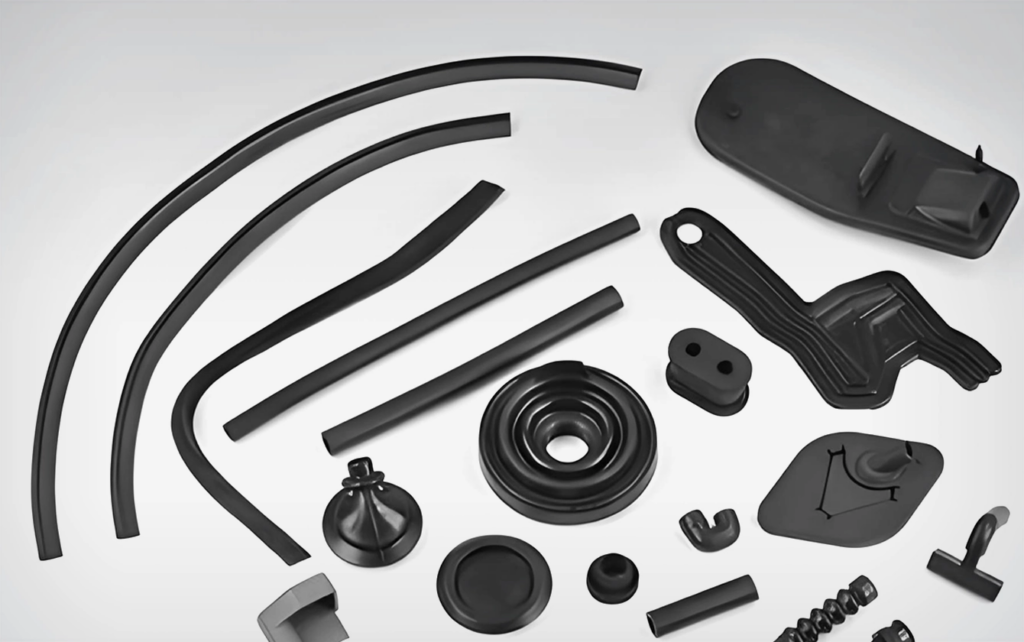
Servo hydraulics already allow rubber molding equipment to match pump output more closely to the pressure and flow required during each cycle stage. The next development is to connect that control with product quality, energy, maintenance, and scheduling evidence. A future hydraulic press machine for rubber moulding should lower waste without sacrificing response, repeatability, […]
How Silicone Rubber Injection Are Evolving
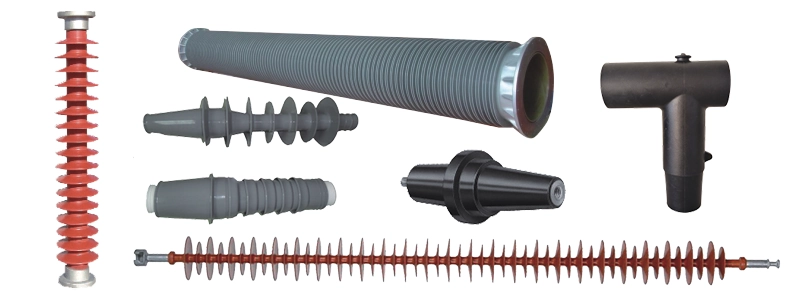
Silicone and EPDM insulation products place high demands on material preparation, large shots, clamping stability, mold access, temperature, and curing. Over time, progress will come from connecting these variables with product and quality context. Smarter silicone rubber injection must reduce preventable variation and waste without hiding the process from operators and engineers. Traceable Material Preparation […]