Connected manufacturing is most useful when it turns shop-floor signals into practical production decisions. In rubber-track production, long curing cycles, heavy materials, multiple track dimensions, and energy-intensive equipment make that connection especially valuable.
A connected rubber track vulcanizing machine cannot merely display data; it should give production and maintenance teams a consistent view of recipes, machine conditions, resource use, and exceptions.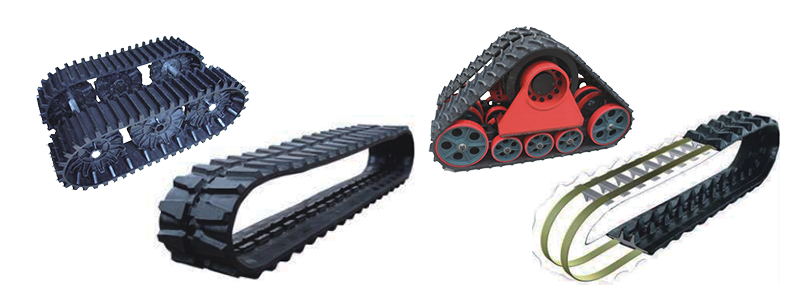
Define the Production Data before Connecting the Line
An MES project should begin with decisions, not dashboards. Production teams first need to identify which records support scheduling, quality control, maintenance, and traceability.
For a rubber track machine, useful records may include the selected recipe, mold identification, material batch, curing time, temperature, pressure, clamping force, alarms, energy consumption, and operator actions. Clear definitions prevent the same tag from being interpreted differently by production, quality, and engineering personnel.
The production route also determines the required level of detail. Agricultural, construction, military, and snowmobile tracks can differ in width, usable length, reinforcement layout, and handling needs. Our published DKM-RC200 through DKM-RC900 models cover clamping forces from 200 to 900 tons, while their platen and track-size ranges vary.
MES master data will therefore need to connect each product specification to the correct machine, mold, recipe, and inspection plan rather than treating every track as a variation of one generic cycle. Data frequency should follow the purpose of each signal.
A cycle result or recipe number may require one event record, whereas pressure and temperature trends may need time-series samples. Excessive sampling increases storage and network demand without necessarily improving decisions.
During design, the plant will need to establish tag names, engineering units, timestamps, retention periods, and rules for missing or invalid readings. This preparation makes later analysis consistent across machines and shifts. Our approach at Dekuma treats digital planning as part of the complete molding process.
Build Smart Control around a Repeatable Curing Process
Connectivity cannot correct an unstable molding process. Before data is sent upward, material loading, mold closing, cord tension, pressure retention, temperature control, cure timing, and demolding must follow a dependable sequence.
Our rubber track vulcanizing machine combines a precision mold-clamping unit with a constant-tension steel-cord system for seamless, load-bearing tracks. The one-piece construction avoids conventional joints, but the process still depends on correct preparation, reinforcement positioning, and curing conditions.
The customized B&R control platform provides the operating layer for parameter setting, temperature regulation, machine response, and storage of multiple production recipes. Recipe control is important because it limits avoidable variation between shifts and product changes.
Authorization levels, revision records, and controlled downloads can help protect an approved process window. When a parameter is changed, the event must be visible to the people responsible for product quality instead of remaining only on the local machine screen.
Automate Handling Where It Removes Measurable Constraints
Automation planning may need to follow the physical movement of materials and finished parts. Our line can support automatic rubber loading, demolding, and material retrieval, reducing manual handling requirements by up to 50% compared with traditional machines.
That figure is a potential reduction under an appropriate production arrangement, not a universal labor guarantee. Actual results depend on product mix, cycle balance, auxiliary equipment, staffing methods, and the extent of automation selected for the project.
A rubber track machine also needs safe recovery paths. Heavy components and hot molds make access, guarding, interlocks, and controlled maintenance positions essential. The automated sequence should detect incomplete loading, abnormal movement, or a failed handoff before the next step begins.
Manual and maintenance modes must allow trained personnel to recover the cell without bypassing critical protections. These details often have a greater effect on sustained availability than nominal robot speed.
Turn Connected Signals into Operating Discipline
Our work at Dekuma uses the iSee4.0 intelligent management cloud platform to connect machine information for remote supervision of energy use, temperature, pressure, clamping force, time, status, and maintenance needs. This visibility supports faster investigation, but a useful alarm still requires an owner, a response rule, and an escalation path.
Plants must distinguish immediate process deviations from maintenance trends so that operators are not overwhelmed by notifications that carry no defined action. Implementation is usually safer in stages. A plant can first establish read-only collection and confirm that machine and MES records align.
It can then add recipe verification, order context, quality holds, or approved remote functions according to risk. Cybersecurity responsibilities, user access, backup procedures, and change control must be agreed before external connectivity is enabled.
This phased approach gives the team evidence that each interface works before it becomes essential to production. Long vulcanization cycles create a specific energy opportunity. Our intelligent curing-shutdown function retains pressure while stopping the main motor, reducing unnecessary power use without abandoning the required curing conditions.
MES reporting can compare energy by recipe, track size, shift, or production order, helping teams separate normal load differences from avoidable consumption. The result is a better basis for improvement than a single plant-wide energy total.
A sound automation plan is therefore a controlled production system: reliable machine sequences create trustworthy data, connected records support timely action, and disciplined teams preserve the gains after commissioning.
We design modular equipment so the mechanical configuration, handling scope, and data interfaces can be adapted to track dimensions and production scale. Installation guidance, operator training, customized configurations, and ongoing technical assistance help connect the project specification with daily use.