
Electrical-insulation parts require more than high machine capacity. Long geometry, substantial shot volumes, heavy molds, material preparation, controlled curing, and safe handling must operate as one coordinated process. A production line built around an HTV silicone insulators injection machine can then supply dependable recipe, position, pressure, temperature, timing, and status data.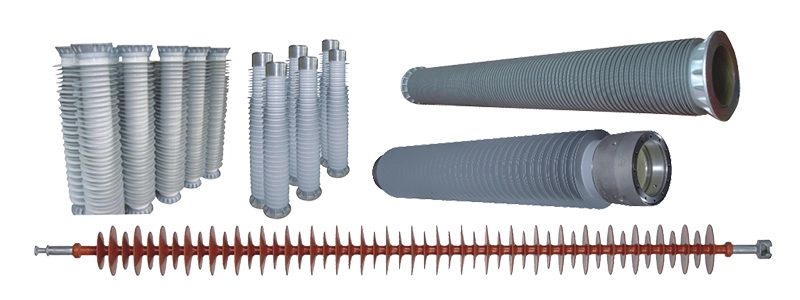
Start with the Physical Demands of HTV Insulation
High temperature vulcanized silicone rubber is used for long-rod insulators, hollow-core bushings, surge arresters, cable accessories, and switchgear components. These products can require large shots and long mold layouts, while the finished insulation structure depends on controlled material condition and mold processing.
MES planning must therefore begin with product identity, material batch, core or insert records, mold configuration, and the approved process route. The RT Series uses a top-opening mold structure to reduce operating height and improve access to large molds.
Its block-type clamping unit keeps mold weight centered for stability and automatically locks when the mold reaches its opening limit. This protects mechanical, hydraulic, and electrical components during access. The machine layout is part of the automation plan because mold loading, insert handling, demolding, inspection, and maintenance all depend on safe, predictable positions.
Project data may need to capture those physical constraints before scheduling rules are written. Core length, mold weight, lifting method, platen arrangement, access envelope, and required utilities can determine whether a planned product is suitable for a particular machine.
When these fields are linked to the product and tooling records, the MES can support engineering review and reduce the chance of releasing an order that cannot be handled safely in the assigned cell.
Connect Material Preparation with Shot Control
Our plasticizing and injection systems are optimized to improve screw feeding, material homogenization, and removal of trapped air. For high temperature vulcanized silicone rubber, these preparation conditions influence the consistency of the material delivered to the mold.
A useful production record will need to connect material identification and preparation with injection values and final quality results instead of recording only cycle start and finish times. Published RT560, RT1100A, RT1200B, and RT1500 configurations use 1,200 bar injection pressure.
Injection volumes extend from about 13,000 cc to 40,000/50,000 cc, and clamping forces range from 5,600 to 15,000 kN. Mold-opening strokes range from 700 mm to as much as 1,600 mm.
These figures describe different models; selection must still account for product geometry, mold layout, heating-plate dimensions, handling clearance, and production target. Our design work at Dekuma adapts the RT Series to these conditions.
Control Recipes and Equipment States Systematically
The Austrian B&R control system uses a 10.4-inch TFT color touch screen. It stores and monitors molding parameters, while controlled injection and clamping functions provide repeatable machine data for production supervision.
For an HTV silicone insulator injection machine, recipe management will need to include authorization, revision history, product association, and verification of downloaded values. This prevents an undocumented trial setting from remaining in use after the original troubleshooting task is finished.
MES integration must assign clear ownership to each system. Local controls must retain safety functions, interlocks, motion sequences, and time-critical regulation. The MES can issue work-order context, receive status and process records, manage genealogy, and hold quality decisions.
Defined timestamps and identifiers allow pressure, temperature, position, alarms, and operator actions to be traced to the relevant part or batch rather than reviewed as disconnected trends.
The sampling strategy must reflect how the values will be used. A recipe identifier or completed-cycle result may be stored once per event, while temperature and pressure may require trend samples at defined intervals.
Communication quality flags are essential so that a stale value is not interpreted as a stable process. Plants should also document data retention, backups, access rights, and the response to an interface failure before connected records become part of product release.
Design Automation around Safe Mold and Part Handling
Hydraulic blocks adjust mold height during changes, making thickness adjustment faster and more accurate. This mechanical support can reduce setup difficulty, but automation still needs confirmation points for mold position, locking state, insert placement, and part removal.
Large components require special attention to lifting, temporary support, access control, and recovery after an interrupted sequence. The safest normal cycle is incomplete if maintenance personnel cannot reach a stopped component without creating a new hazard.
Energy and capacity must also be evaluated by model and recipe. System pressure is listed at 210 bar, while machine weight, hydraulic power, heating power, and total power rise with machine size.
Selecting unnecessary capacity can increase capital and utility requirements, yet an undersized machine may restrict mold handling or process stability. Data should be normalized by acceptable output so that engineering teams can compare real production efficiency rather than total consumption alone. Commissioning needs representative production conditions.
A trial needs to confirm the approved material, mold, injection sequence, curing settings, access functions, safety interlocks, and required quality checks. The team can then compare control-screen values with MES records and deliberately introduce selected abnormal states to verify alarms and recovery procedures.
Training should cover both ordinary recipe selection and the decisions required when data, material, or machine status does not match the work order. We match RT configurations to the shot volume, product length, mold access, and control needs of solid-silicone insulation production.
Our project support at Dekuma also covers installation, commissioning, training, and technical coordination for the selected project scope. Joint planning of machine architecture, recipe governance, material records, and automation interfaces turns connected production into a disciplined method for protecting repeatability and traceability over time.