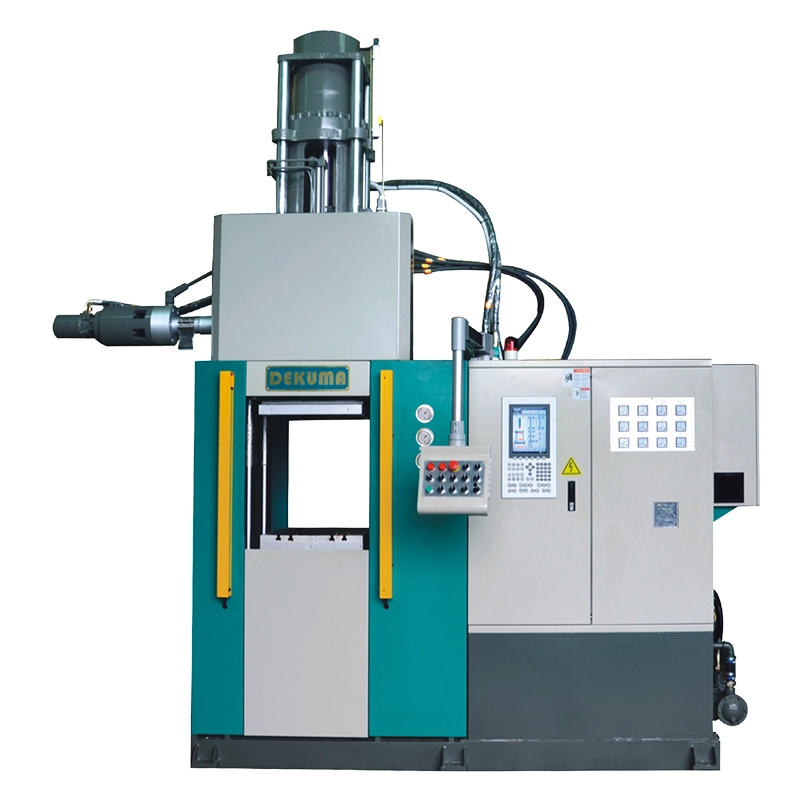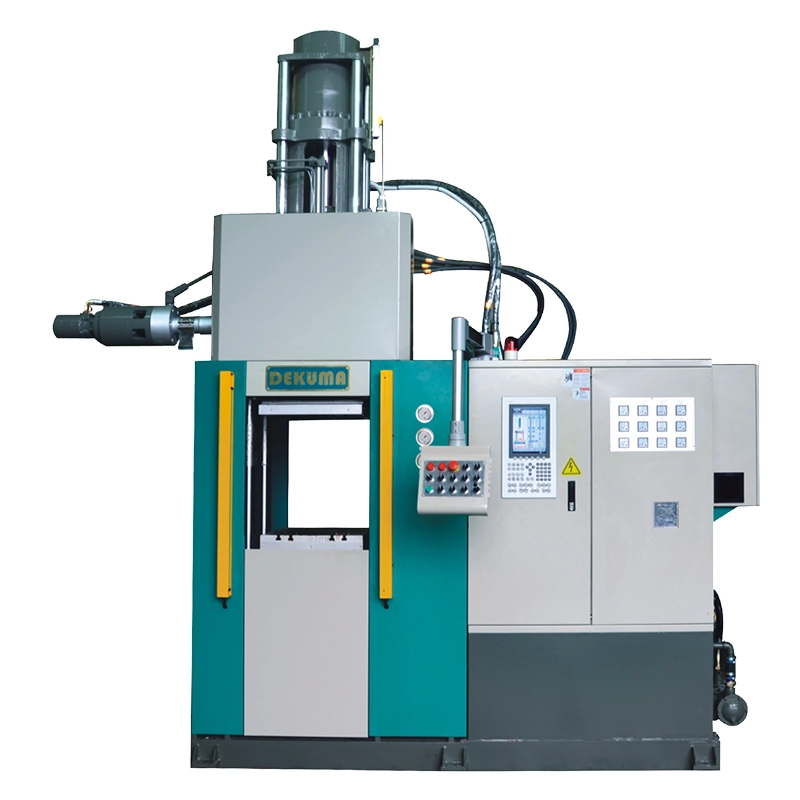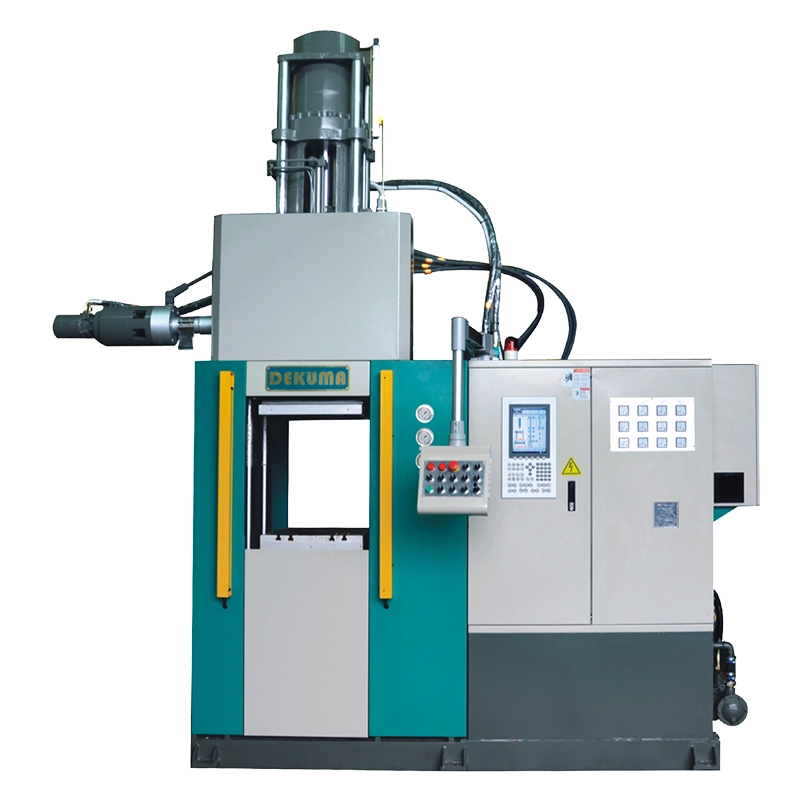
Different types of rubber seals play a central role in keeping mechanical systems efficient and secure. They form tight barriers that prevent fluid leakage, keeping pressure stable and contaminants away from critical components. To ensure excellent sealing performance, you need reliable, high-precision rubber injection molding machines.
As an industry-leading rubber injection molding machine manufacturer, in this article Dekuma will cover different types of rubber seals, together with the material used in their production and what kind of rubber injection molding machine can produce these seals.
Common Types of Rubber Seals
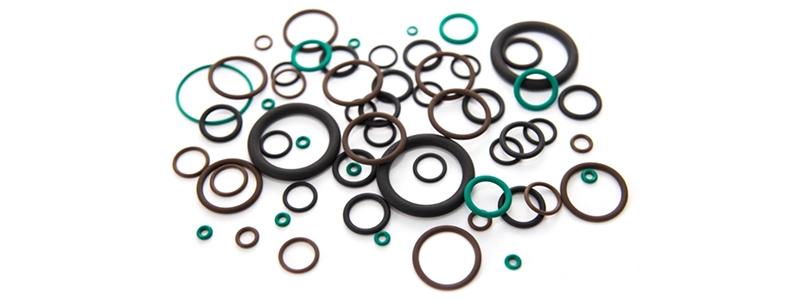
There are multiple types of rubber seals, such as:
1. O-Rings
O-rings are one of the most widely used seals in mechanical systems, used to prevent fluid or gas leakage in both static and moving parts. Their simple circular shape provides strong and reliable sealing under pressure.
2. X-Rings (Quad Rings)
X-Rings, also known as quad rings, feature a four-lobed design that offers better lubrication retention and lower friction. They perform well in dynamic applications such as hydraulic systems and rotating machinery.
3. Flat Gaskets & Molded Seals
Flat gaskets and molded seals are commonly used to seal flat surfaces, especially in flanged connections. Flat gaskets, made of rubber, are placed between two surfaces and compressed to prevent leaks. Meanwhile, molded seals are custom-designed for specific applications, providing a more secure and tighter seal for complex shapes.
4. Oil Seals / Shaft Seals
Oil seals, or shaft seals, are used to retain lubricants and block contaminants around rotating shafts. They are essential in engines, gearboxes, and pumps, helping extend the lifespan of moving components.
5. Lip Seals
Lip seals have flexible edges that maintain contact with rotating shafts, offering high sealing efficiency in high-speed or high-pressure systems. They are widely used in hydraulic and pneumatic applications for dependable performance.
Rubber Seal Materials and Properties
The effectiveness of a rubber seal depends largely on the material it is made from. Each type of rubber offers specific benefits that make it suitable for certain conditions and applications. Let’s have a look at different rubber seal materials and their properties:
1. Nitrile Rubber (NBR)
Nitrile rubber (NBR) is a highly versatile elastomer valued for its outstanding resistance to oils, fuels, and lubricants. It maintains reliable performance across a wide temperature range, making it ideal for environments frequently exposed to hydrocarbons.
Due to its toughness and ability to resist wear, NBR is often used in automotive and industrial sealing applications, particularly for O-rings, gaskets, and car rubber seals that must withstand oil exposure and constant movement.
2. Fluorocarbon (FKM/Viton)
Fluorocarbon rubber, mostly known by the brand name Viton, is extremely resistant to high temperatures, chemicals, and harsh environments. This material maintains its properties even at elevated temperatures, making it ideal for seals in industries such as aerospace, automotive, and chemical processing. Fluorocarbon is particularly effective against fuels, acids, and other aggressive chemicals, offering excellent durability in extreme conditions.
3. Ethylene Propylene Diene Monomer (EPDM)
EPDM offers superior resistance to weathering, ozone, and UV radiation. It maintains flexibility in low-temperature environments and resists water, steam, and certain acids. Due to these properties, EPDM is widely used in applications frequently exposed to outdoor conditions, including automotive weather stripping, roofing seals, and plumbing. It also provides excellent electrical insulation performance.
4. Silicone
Silicone rubber is valued for its exceptional high- and low-temperature stability. It can perform in extreme conditions, withstanding temperatures from -50°C to 250°C. Because of its safety and stability, silicone is widely used in industries such as food processing, healthcare, and pharmaceuticals.
5. Neoprene (CR)
Neoprene, also known as chloroprene rubber (CR), is known for its versatility and resistance to weathering, oils, and fuels. It has moderate resistance to heat and aging, making it suitable for general-purpose sealing applications.
Neoprene is often used in the automotive, construction, and refrigeration industries due to its balanced properties, including resistance to environmental factors like ozone and UV radiation.
6. Polyurethane
Polyurethane is valued for its exceptional resistance to abrasion and tear, making it highly durable and perfect for high-stress sealing applications.
With high tensile strength, it resists wear and environmental degradation. Polyurethane seals are commonly used in industries like mining, construction, and heavy machinery, where they endure constant movement and friction.
While it also offers good resistance to oils and fuels, it is more sensitive to UV and ozone exposure compared to materials like NBR and EPDM.
Dekuma’s Rubber Injection Molding Machine
Dekuma is recognized for producing durable, high-precision rubber injection molding machines trusted in numerous industries. For instance, our RV Series is compatible with multiple materials, including natural rubber (NR), NBR, ethylene propylene diene monomer rubber (EPDM), and isoprene rubber. They are widely employed for the production of different types of rubber seals for the automobile and electric industries.
Their key features include:
- Dual-seal clamping cylinder for leak-free operation.
- ±0.05% precision electronic ruler for accurate stroke control.
- Energy-saving design with double-layer insulation for stable temperature and lower power use. Energy consumption for insulation plates is reduced by 40%.
- Hydraulic components from leading global brands ensure consistent pressure and reliability.
- Smart iSee monitoring platform for real-time tracking and production analysis.
- Quick mold changes and easy maintenance for minimal downtime.
With high precision and compatibility with diverse seal materials, Dekuma’s reliable RV series rubber injection molding machines help seal manufacturers achieve superior production efficiency, reduced defect rates, and enhanced product consistency.
Wrapping Up
We discovered the different types of rubber seals—from O-rings and X-rings to oil and lip seals—each designed to ensure reliable performance in mechanical systems. For producing high-quality rubber seals with precision and consistency, Dekuma’s RV Series rubber injection molding machines deliver exceptional accuracy, efficiency, and versatility across multiple materials.
In addition to the RV series, we also have other solutions, including RH series machines for sealing rings and complete production lines for rubber tracks. If you are interested, contact Dekuma today to learn more about our strengths and expertise!