Liquid Silicone Rubber (LSR) is a durable and flexible material known for its resistance to heat, chemicals, and harsh environments. The LSR injection molding process converts this material into durable, high-precision products.
It involves injecting the material into molds under controlled heat and pressure, allowing rapid curing and minimal waste. Common applications include automotive seals, medical instruments, kitchenware, and electronic components.
In this article, Dekuma offers a detailed and easy-to-understand guide to this production process, designed to clear up any doubts you might have.
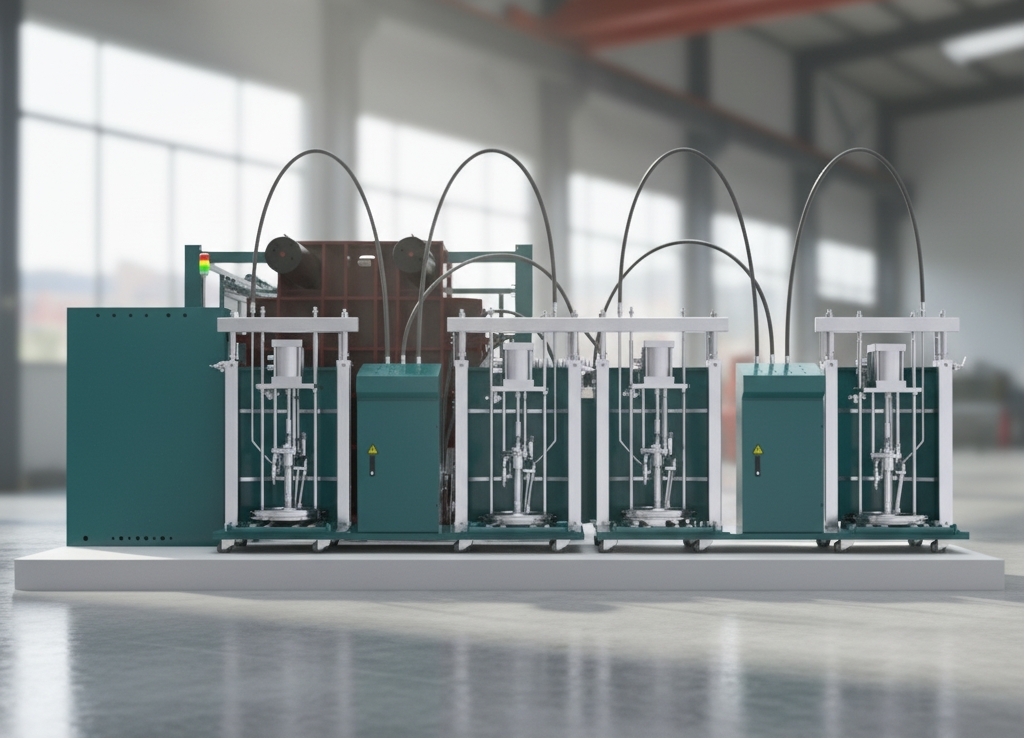
(Dekuma’s liquid silicone rubber injection molding machine)
Step-by-Step LSR Injection Molding Process
Here is a step-by-step LSR injection molding process:
1. Material Preparation and Metering
The injection molding of liquid silicone rubber begins with precise preparation and controlled LSR metering. The process is a two-component system, which combines two kinds of materials in an exact ratio. Material A consists of the platinum catalyst, and material B consists of the base silicone polymer.
Automated metering and mixing systems are used to measure, feed, and blend these components accurately before injection. Maintaining the correct ratio is essential because even a minor deviation can affect the curing rate, part strength, and overall consistency of the finished product.
2. Injection and Filling
After the material has been properly prepared, it is injected into the mold cavity under controlled pressure. The liquid silicone flows smoothly through the runner system and fills the entire cavity. This stage demands precise control of pressure, temperature, and injection speed to prevent defects such as air entrapment, voids, or incomplete filling.
3. Curing (Vulcanization)
After injection, the mold is heated to trigger the curing process, also known as vulcanization. At this stage of the LSR injection molding process, the liquid silicone undergoes a chemical cross-linking reaction that transforms it into a solid and elastic material.
The controlled application of heat allows the polymer chains to bond, giving the molded part its essential properties, such as flexibility, tensile strength, and resistance to heat and deformation. The time and temperature must be carefully controlled to ensure the silicone reaches the desired hardness and mechanical performance.
4. Demolding and Post-Curing (Optional)
After curing, the solid silicone part is removed from the mold with care to prevent surface damage or deformation. In some cases, a post-curing step is performed to enhance material properties.
This involves heating the molded part at a higher temperature to improve its thermal stability, mechanical strength, and durability. Post-curing is especially beneficial for parts used in demanding environments such as medical devices and automotive components.
Main Advantages and Applications of LSR
1. LSR Injection Molding’s Benefits
l Durability and Flexibility
One of the standout advantages of LSR is its exceptional durability. It can withstand wear and tear while maintaining flexibility, which makes it ideal for use in parts that need to endure repeated stress or movement.
l Temperature and Chemical Resistance
LSR is highly resistant to temperature extremes, maintaining its performance in temperature ranges of -60°C to 200°C. This makes it suitable for industries where parts are exposed to fluctuating or extreme temperatures. Additionally, LSR’s resistance to chemicals, oils, and solvents ensures its durability in environments where other materials might degrade or fail.
l Biocompatibility
LSR is non-toxic and safe for use in medical applications that require direct or prolonged contact with the human body. The material can be easily sterilized, making it a reliable option for products used in healthcare, where safety and cleanliness are non-negotiable.
2. Applications of LSR Injection Molding
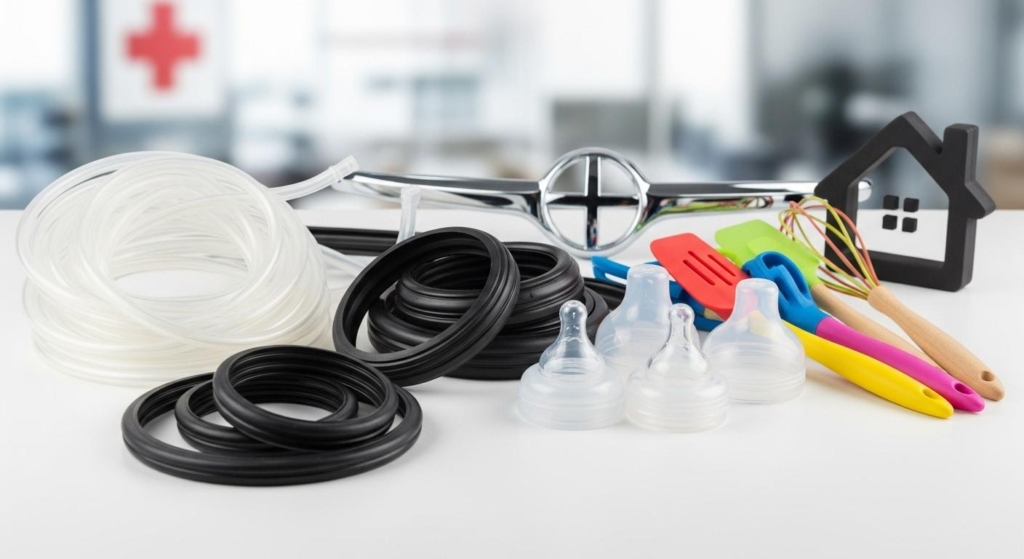
(LSR is extensively used in a wide range of industries.)
l Medical
LSR plays a crucial role in the medical industry, where its biocompatibility and ability to withstand sterilization processes make it ideal for devices like seals, gaskets, and tubing. It is also used in medical devices that require high precision and durability, such as catheters, respiratory masks, and surgical instruments.
l Automotive
In the automotive sector, LSR is used for parts that must endure extreme conditions, such as under-the-hood components and seals. Its temperature and chemical resistance also make it perfect for gaskets, seals, and flexible hoses that need to perform in high-temperature environments.
l Consumer
LSR is also widely used in consumer products, from kitchenware to personal care items. Its flexibility, strength, and ease of molding allow manufacturers to create products like baby bottle nipples, kitchen utensils, and waterproof wearables.
Dekuma LSR Injection Molding Machine
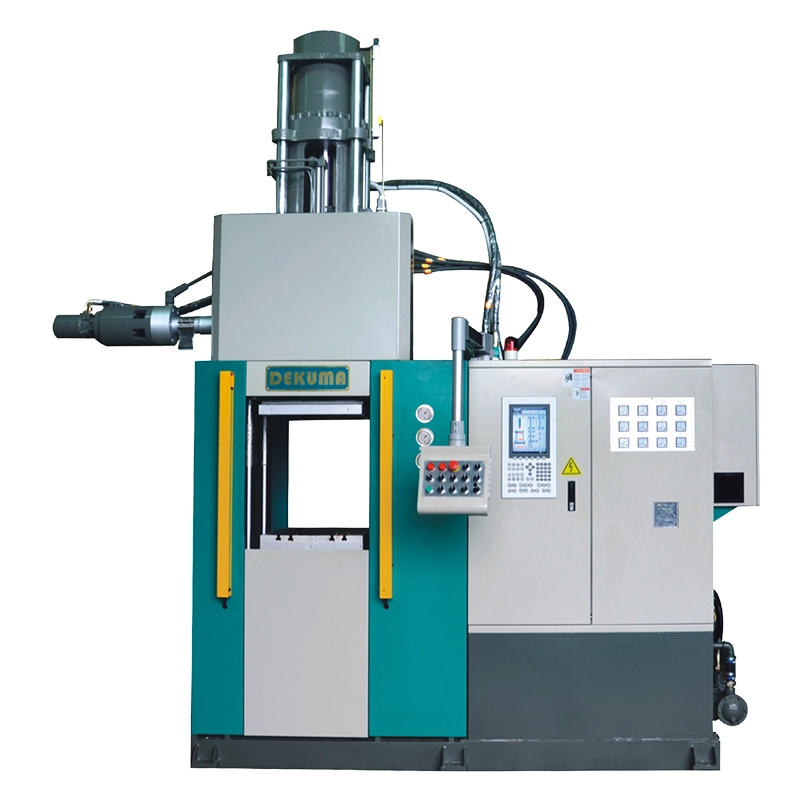
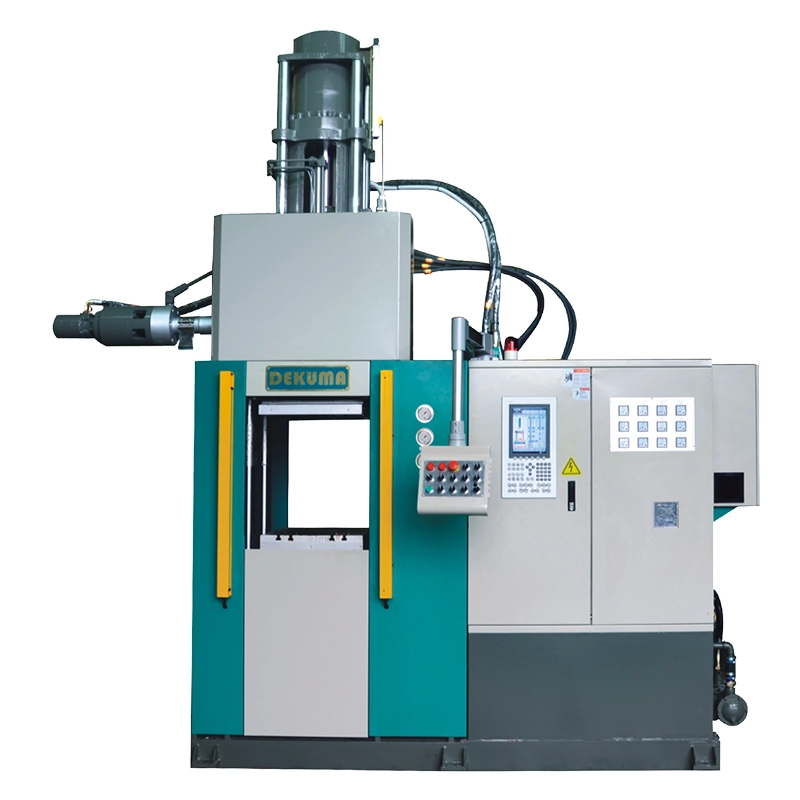
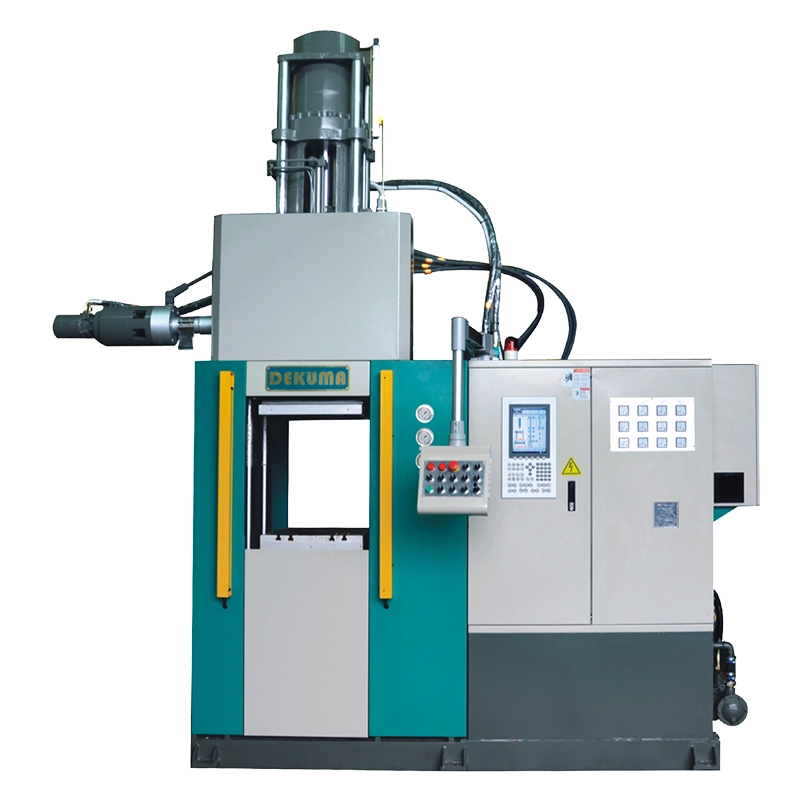
Dekuma is a leading rubber injection molding machine manufacturer. Our LSR injection molding machines are used in industries including electronics, energy, baby care, kitchenware, and sports. Their high precision help to elevate stability and productivity, and they come with features such as:
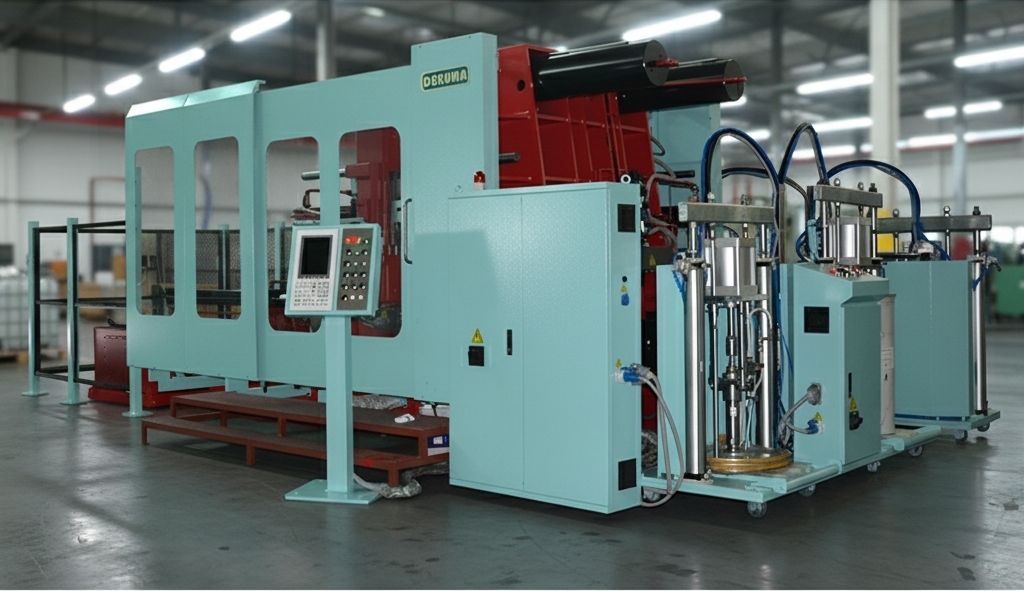
(Dekuma LSR injection molding machine)
- Smart Control System: Utilizes S98 B&R control system. Paired with a 10.4-inch color touchscreen for smooth and intuitive operation.
- Accurate Dosing: Patented synchronized dosing system guarantees precise material ratios for uniform product quality.
- Consistent Mixing: High-precision static mixer ensures even blending of LSR’s two components.
- Durability and Efficiency: Built with robust components for stable, long-term performance and low maintenance.
- Versatile Applications: Suitable for electronics, baby care, energy, food-grade goods, kitchenware, and sports products.
- Customization Options: Available in multiple configurations and turnkey systems tailored to specific production requirements.
Conclusion
Liquid silicone rubber injection molding provides an efficient and reliable method for producing precise, high-quality components across various industries. For advanced molding solutions, Dekuma offers state-of-the-art LSR injection molding machines built for precision, stability, and long-term performance. This is the reason why global manufacturing industries continue to trust us time and again.
Dekuma also manufactures multiple series of rubber injection molding machines, suitable for producing various rubber products. If you’re looking for reliable rubber injection molding machines, Dekuma is here to support your production needs—contact us today for details!