
Precision rubber molding requires more than sufficient injection capacity. For components such as seals, connectors, and customized rubber parts, manufacturers also need equipment that can support accurate mold installation, stable processing conditions, and efficient adjustments during production.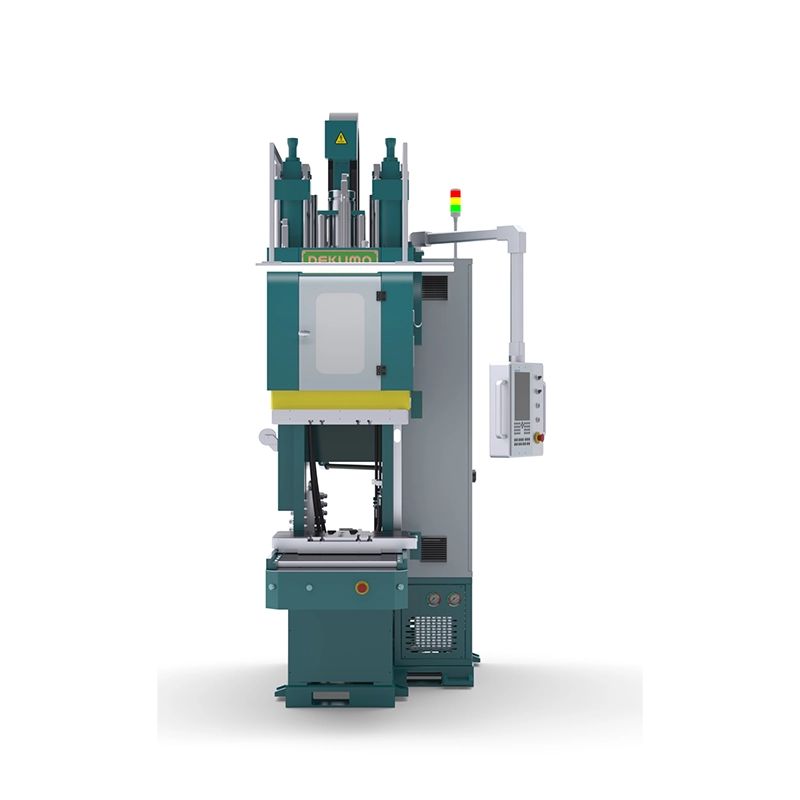
Machine structure has a direct influence on these operations. The accessibility of the molding area, the convenience of tooling changes, and the space available for maintenance can affect how smoothly a production process runs.
A C-frame press machine is considered for certain rubber molding applications because its frame design provides an open working area around the mold. However, the frame structure itself is only one factor. Injection control, clamping performance, and compatibility with the intended products also determine whether the equipment is suitable for a specific manufacturing environment.
Understand the Role of Machine Structure in Rubber Molding
In precision rubber production, molds are often designed around specific product requirements. Some applications involve inserts, complex cavity structures, or frequent changes between different product types. These conditions place additional demands on machine accessibility and operation.
A C-frame structure creates a more open molding area compared with enclosed machine layouts. This design can make mold installation, visual inspection, and adjustment work more convenient, especially when operators need direct access to the tooling area.
For manufacturers producing customized rubber components, these characteristics can be relevant when production involves multiple molds or shorter production runs. Easier access may simplify setup procedures and reduce difficulties during tooling changes.
However, choosing a C-frame rubber injection molding machine should not be based only on the frame appearance. The machine also needs to provide suitable injection control, stable clamping performance, and compatibility with the rubber materials and product designs involved in production.
Evaluate Mold Accessibility and Tooling Requirements
Mold handling is an important part of precision rubber molding. During daily operation, manufacturers may need to install new molds, adjust inserts, check cavity conditions, or make process changes according to different products.
The open structure of a C-frame machine allows operators to work around the molding area with fewer physical restrictions. This can be useful for applications where tooling interaction is a regular part of production.
For example, manufacturers producing small rubber components with different specifications may require more frequent setup adjustments than companies running a single high-volume product. In these cases, machine accessibility becomes part of the overall production consideration.
Compared with machines designed primarily around enclosed structures, a C-frame layout offers a different approach by prioritizing access around the mold area. The suitability of this design depends on whether the production requirements match the characteristics of the equipment.
Match Injection Control With Precision Component Requirements
Although machine structure affects operation, injection performance remains essential for precision rubber molding. Rubber compounds can behave differently during filling and curing, making process control an important factor in achieving consistent results.
Manufacturers should consider how the machine manages injection speed, pressure control, and repeatability during the molding cycle. These factors influence how effectively the material fills the mold and how consistently finished components can be produced.
For precision rubber parts, the combination of accessible tooling and controlled injection conditions is often more valuable than focusing on a single machine specification. The structure, injection system, and mold design need to work together as part of one production process.
RC Series Matches C-Frame Structure With Rubber Injection Requirements
The RC Series Rubber Injection Molding Machine is developed for rubber molding applications where operators need convenient access to the mold area while maintaining stable injection processes.
The C-frame structure provides a more accessible working space around the mold, which can simplify mold installation, parameter adjustment, and routine operation. This layout is suitable for applications where tooling changes or product variations require frequent interaction with the molding area.
For precision rubber components, the frame design needs to work together with the injection system. Consistent filling, controlled pressure, and repeatable molding conditions are important when producing parts with strict dimensional requirements.
The RC Series combines the characteristics of a C-frame structure with rubber injection molding capabilities, making it a suitable option for manufacturers evaluating equipment based on mold accessibility and process requirements. When selecting a C-frame rubber injection molding machine, factors such as product design, mold configuration, and production workflow should be considered together.
Consider Application Requirements Before Investment
A C-frame design is not automatically suitable for every rubber molding application. Manufacturers should evaluate whether the machine structure matches their actual production needs, including tooling methods, product complexity, and operating procedures.
When comparing a C-frame press machine, factors such as mold accessibility, injection performance, and long-term usability should be considered together. The most suitable equipment is determined by how well the machine fits the manufacturing process rather than by one individual feature.
The RC Series from Dekuma represents an equipment option for rubber molding applications where C-frame accessibility and injection control need to be considered together. For manufacturers reviewing equipment choices,at Dekuma,we focuses on matching machine configurations with the requirements of rubber processing applications, allowing the structure, control system, and production workflow to work together.