At Dekuma, we understand the vital role that precision and efficiency play in the world of industrial manufacturing. Hydraulic injection molding machines are at the forefront of this process, and today, we’ll explore what makes these machines so essential to high-volume production. These machines are designed to meet the rigorous demands of industries like automotive and rubber processing, providing a reliable solution for producing complex parts. Let’s dive into how these machines work and why they are indispensable for businesses seeking high-quality results with a focus on efficiency.
Understanding Hydraulic Injection Molding Machines
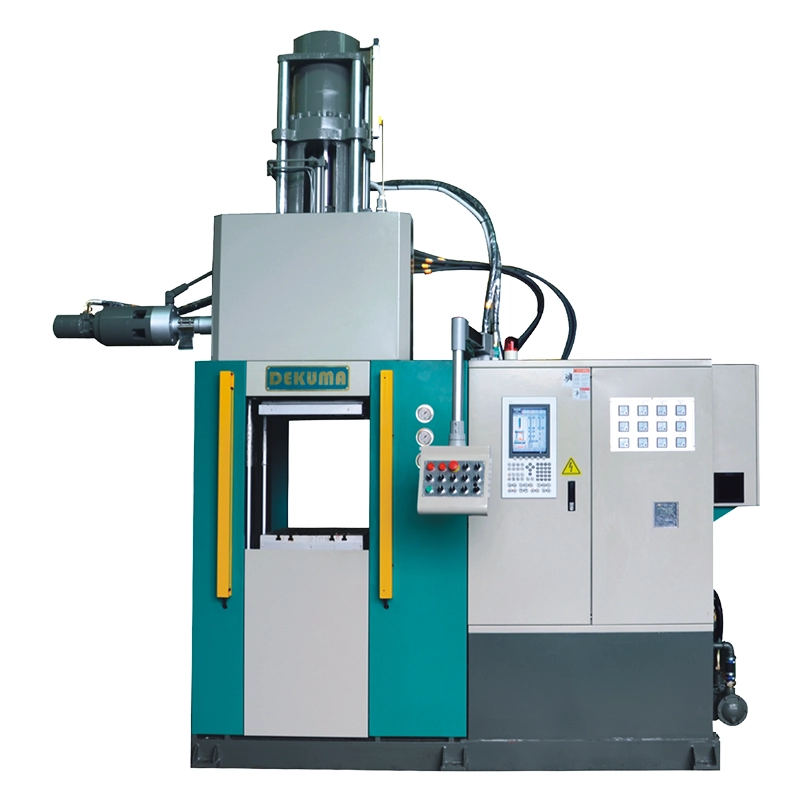
A hydraulic injection molding machine is an advanced piece of equipment that uses hydraulic force to inject molten materials into a mold. The process is widely used in manufacturing plastic, rubber, and composite parts. At Dekuma, we offer models like the hydraulic rubber press machine that are designed to handle a wide variety of materials, including TPV, TPE, and flexible modified PVC. These machines are engineered to provide precise control over injection speed, pressure, and molding time, ensuring the production of parts with high dimensional accuracy.
The hydraulic injection molding machine operates with a hydraulic system that applies force through pistons to move the injection unit and mold clamping system. This hydraulic force ensures that the molding process is carried out with minimal energy loss while maintaining the integrity of the mold. With a focus on energy efficiency, Dekuma’s machines utilize a servo system that aligns the output directly to the required pressure and flow, cutting energy consumption by up to 60% compared to traditional systems.
Features of Hydraulic Rubber Press Machines
The hydraulic rubber press machine is specifically designed for rubber injection molding, making it ideal for producing components like seals, gaskets, and rubber parts used in automotive and industrial applications. With a clamping force ranging from 500 to 1,000 tons, these machines can handle large-scale production needs with ease.
One of the key features of the hydraulic rubber press machine is its high precision and repeatability. Equipped with advanced sensors and servo motors, these machines can adjust pressure and flow in real-time, ensuring that each molding cycle delivers consistent results. This level of precision is crucial when producing rubber components that need to meet exact specifications for fit and function.
Benefits of Using Hydraulic Injection Molding Machines
The use of hydraulic injection molding machines comes with several advantages. One of the biggest benefits is energy efficiency. The servo-powered systems in machines like the hydraulic rubber press machine significantly reduce power consumption, which helps lower operational costs. In addition, the fast dynamic response and high-pressure capabilities ensure that production cycles are completed faster without sacrificing quality.
Another advantage is the ability to customize the machine to suit specific molding requirements. Dekuma’s hydraulic rubber press machine models offer modular designs that can be tailored to the needs of various industries. Whether it’s for automotive parts, electrical components, or rubber seals, these machines provide the flexibility to meet diverse production needs.
Conclusion
At Dekuma, we know that the efficiency and precision of hydraulic injection molding machines are critical for meeting the demands of modern manufacturing. Whether you’re looking to produce large quantities of high-precision parts or seeking a machine that minimizes energy consumption, our hydraulic rubber press machine models are built to deliver exceptional performance. By integrating advanced technology, customizable options, and energy-saving features, we ensure that our machines contribute to the success of your business. When you choose Dekuma, you’re investing in a reliable solution for all your molding needs.