
Rubber molding machines are essential for many industries, providing precision and efficiency in the manufacturing of rubber products. However, like any complex machine, they may encounter issues from time to time. At Dekuma, we understand how frustrating it can be when these issues arise. Below are some of the most common problems with rubber molding machines and effective ways to solve them.
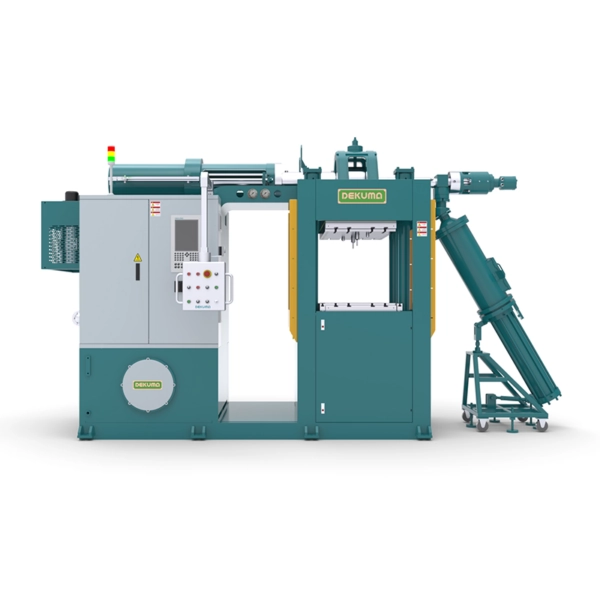
Unstable Injection Pressure and Flow Problems
One of the most common issues with a rubber injection molding machine is unstable injection pressure and flow. This issue can lead to uneven product quality, affecting the integrity of insulators and other molded parts. The problem often arises due to improper setup, worn-out parts, or incorrect material flow.
To resolve this, it’s important to ensure that the machine’s hydraulic system is in optimal condition. Regular maintenance, such as checking for oil leakage and verifying the pressure gauge, is essential. In addition, using the right rubber molding machine settings for the material—such as silicone rubber or EPDM—can help maintain consistent injection pressure.
Inconsistent Curing and Vulcanization
Curing and vulcanization are critical to ensuring the strength and durability of molded rubber products. If you notice that the products from your rubber molding machine are not fully cured or exhibit defects, it’s time to investigate the curing process. This could be due to a malfunctioning heating system or inconsistent temperature distribution.
At Dekuma, we recommend regular checks of the heating elements and temperature controllers. Ensure that the material, whether it’s silicone rubber or EPDM, is being heated evenly throughout the mold. Adjusting the curing time or temperature slightly may also help achieve more consistent results.
Mold Damage and Wear
A common issue with rubber injection molding machines is mold wear or damage. Over time, the mold cavities may experience deformation or wear, leading to faulty products. This can significantly reduce the performance of your rubber molding machine and hinder production efficiency.
To prevent this, ensure that the molds are made from high-quality materials and undergo regular inspection. If mold damage is detected, it’s best to replace or repair the mold as soon as possible. At Dekuma, we emphasize the importance of using well-maintained molds to maximize the lifespan of your rubber injection molding machine.
Conclusion
Troubleshooting rubber molding machines can seem overwhelming, but with the right approach, you can quickly address common issues that might arise. Regular maintenance, proper setup, and material checks are key to maintaining the stability and reliability of the machine. At Dekuma, we are committed to providing high-quality machines and expert advice to ensure that your rubber injection molding machine operates smoothly, producing durable products every time.