
Silicone injection molding, particularly when it involves Liquid Silicone Rubber (LSR), requires precision and advanced technology to produce high-quality components. For manufacturers focused on producing intricate, highly accurate parts, a Dekuma C-frame rubber injection molding machine is an ideal choice. In this guide, we’ll explore how the small rubber injection molding machine handles LSR injection, the advantages of using such a machine, and how Dekuma’s solutions can improve efficiency and product quality.
What Makes a Silicone Injection Machine Ideal for LSR?
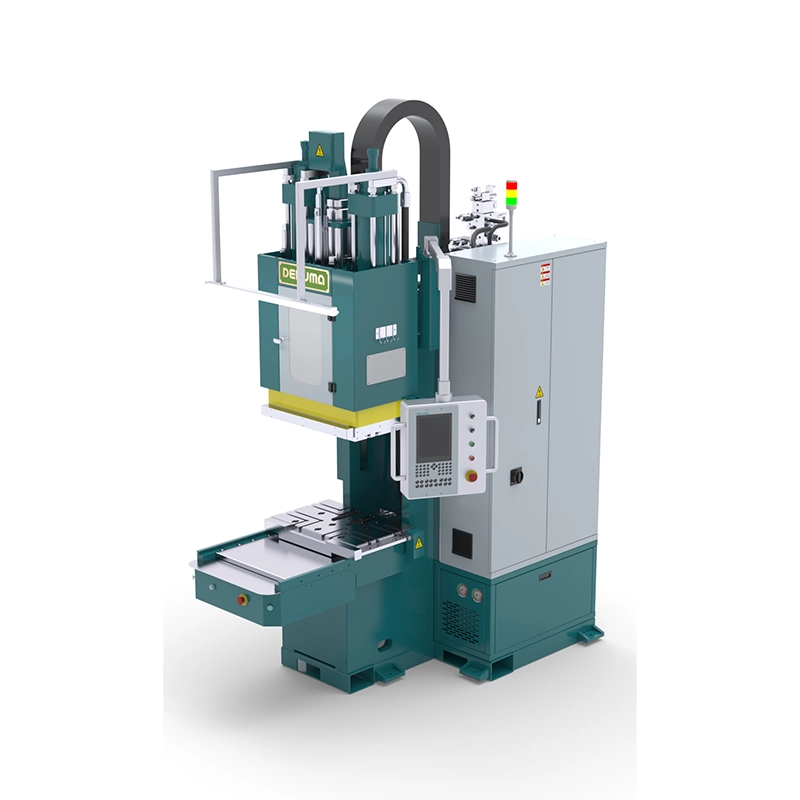
When it comes to handling Liquid Silicone Rubber (LSR), the machine’s precision and reliability are crucial. A C-frame rubber injection molding machine provides the modular design and temperature control required to maintain the integrity of LSR during production. These machines are designed with a separated injection system, ensuring that both the plasticizing and injection units work independently, delivering stable and consistent results.
For LSR applications, a high level of precision in the injection system is necessary. The Dekuma small rubber injection molding machine ensures that injection volumes are accurately controlled. By incorporating a liftable nozzle during vulcanization, the risk of backflow and material stress is minimized, which is particularly beneficial when working with LSR. This system maintains the desired temperature, preventing any inconsistencies in the molded parts.
Key Benefits of the C-Frame Design for LSR Applications
A C-frame rubber injection molding machine brings several advantages to manufacturers handling LSR materials. One of the most notable is the three-side access structure, which makes it easier for operators to handle molds and parts from multiple angles. This accessibility can speed up the setup and maintenance processes, reducing downtime.
Furthermore, a small rubber injection molding machine designed with a dual workstation option can significantly boost production efficiency, especially in high-volume manufacturing settings. The dual workstation allows for faster cycle times, helping companies meet the demand for high-output LSR parts. Dekuma’s machines are engineered to reduce cycle time without compromising the quality of the final product, making them ideal for mass production.
Achieving Precision with Dekuma’s Silicone Injection Machines
Dekuma’s C-frame rubber injection molding machines excel in precision. The inclusion of servo valve control is a game-changer for manufacturers dealing with tight tolerance parts, such as those used in automotive and agriculture. The servo valve system ensures that pressure and flow are carefully regulated, achieving the exact specifications required for the most complex LSR parts.
For example, Dekuma’s small rubber injection molding machine is particularly well-suited for the production of automotive sealing strips, gaskets, and O-rings, where accuracy is paramount. The separation of plasticizing and injection units further enhances the machine’s stability, enabling consistent production over extended periods.
Conclusion
At Dekuma, we understand the importance of precision and efficiency in LSR injection molding. With our C-frame rubber injection molding machines and small rubber injection molding machines, we offer solutions that can help manufacturers achieve both. From the flexibility of our designs to the advanced features such as liftable nozzles, dual workstations, and servo control, our machines are built to meet the highest industry standards. By choosing Dekuma’s machinery, manufacturers can streamline production, improve yields, and enhance product quality, ensuring that every LSR part is molded to perfection.